
Introduction
Bacterial Leaf Spot: Complete Guide to Identification and Control starts with one hard truth about this plant disease. It wipes out up to 66% of pepper and chilli crops each year across the globe. That kind of crop yield loss hits home gardens and commercial farms alike. You pour months into growing your plants, then dark spots show up on the leaves without warning.
I watched this infection tear through my pepper beds 3 seasons in a row before I cracked the code. The old advice said to spray copper and cross your fingers. But Rutgers research now shows that 60% of tested isolates resist copper. That old trick fails more than it works. A wrong call wastes your time and money. Good plant disease identification is the real starting point for any grower. You have to know what you're up against before you can fight back.
Think of this infection as a fight on multiple fronts at once. The pathogens come from contaminated seed, infected soil, and rain splash. They even ride on your own garden tools. No single defense covers all those entry points. A layered approach works best with seed treatment, resistant varieties, and smart watering all in place. Integrated pest management ties every piece of that plan together for you.
This guide covers every step from the first warning signs to a full season control plan. Warmer weather keeps pushing this disease into new areas each year. You'll find useful tips here whether you grow tomatoes in the north or peppers in the south. I'll show you how to spot the signs, pick the right treatments, and stop the spread before it takes your whole garden down. Every method in here comes from research or from what I've tested in my own plots.
Identifying Bacterial Leaf Spot
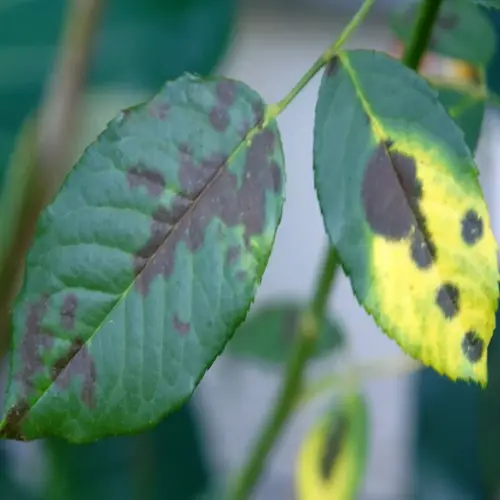
Good leaf spot identification starts with knowing what to look for on your plants early in the morning. Check the undersides of leaves for small water-soaked spots that look greasy when the dew is still fresh. These spots feel slick to the touch at first, then turn dry and papery within a few days. Bacterial leaf spot symptoms show up 5 to 7 days after infection takes hold.
The biggest clue that sets bacterial infections apart from fungal ones is shape. Fungal spots tend to be round with ring patterns inside them. Bacterial spots form angular leaf spots with straight edges that follow the veins of the leaf. You might also see a yellow halo around some spots, but that depends on which crop you're growing. Crop-specific diagnosis matters because each plant shows this disease in its own way.
Speed is your enemy here. Florida research shows bacteria spread 4 to 11 inches within 5 days and up to 10 feet within 12 days in greenhouse settings. That means a few small spots on Monday can become a full blown outbreak by the end of the month. I've seen a single pepper plant infect an entire raised bed in under 3 weeks.
Notice how peppers skip the yellow halo that you see on tomatoes and stone fruits. Begonias give you those clear V-shaped lesions that start from the leaf edge and work inward. Each crop has its own signature pattern that helps you pin down the problem fast.
Causes and Pathogen Biology
Three groups of bacteria cause leaf spot, and each one behaves its own way. Xanthomonas is the main one that hits peppers and tomatoes. Pseudomonas shows up more in cooler weather and attacks a wider list of plants. Acidovorax tends to show up on ornamentals and melons more than on other crops. Knowing which type you face helps you pick the right response.
The pathogen races within these groups add another layer of trouble. Rutgers found 4 races in tomato and 11 races in pepper for Xanthomonas alone. Each race can slip past certain genes in your plants. A pepper that fights off one strain might fall to another one. Labs test for races by growing pepper plants with different genes and watching which ones get sick.
These bacteria are tough survivors in the garden. They live in soil for at least 18 months after you pull out infected plants. A seed-borne pathogen like Xanthomonas can sit inside dried seed for over 10 years in cold storage. This bacteria survival in soil and seed is the main reason the disease keeps coming back each year.
WVU Extension boils the fight down to 3 clear steps for slowing bacterial reproduction. Stop survival by cleaning up debris and treating your seed. Cut off infection routes by fixing how you water and space your plants. Bring in copper sprays and biocontrols to reduce reproduction when conditions favor the disease. Stack those 3 steps and you break the cycle.
I spent 2 seasons guessing which bacteria were hitting my peppers. Then I sent samples to my local extension lab for testing. The results changed my approach because the pathogen races in my area didn't match my guess. That test is one of the best $20 investments you can make for your garden.
Environmental Triggers
Think of bacterial leaf spot conditions the same way you'd check a weather forecast. No single factor sets off an outbreak on its own. You need to watch for the combo of warm wet conditions working together. When heat, moisture, and humidity all line up, the bacteria can explode across your plants in days.
The temperature for bacterial leaf spot matters more than most growers think. Xanthomonas breeds fastest between 77 and 86 degrees Fahrenheit. Some types of Pseudomonas prefer cooler air in the 55 to 77 degree range instead. Humidity and bacterial leaf spot go hand in hand too. WVU Extension found that nights above 70 degrees with humidity over 85% create the perfect storm for this disease. But 3 or more days below 40% humidity starts to shut it down.
Water is the biggest carrier of these bacteria from plant to plant. Rain splash disease spread moves bacteria off the soil and onto your leaves in seconds. Overhead irrigation spread does the same thing every time you turn on the sprinklers. I switched to drip lines 4 years ago and cut my infection rate by more than half that first season. Penn State also notes that wind blown sand can scratch leaf surfaces on stone fruits, giving bacteria an easy way in.
Use the table above like a scouting checklist during the growing season. When 3 or more factors land in the high risk column, that's your signal to start protective sprays. Three weeks of dry weather below 40% humidity can stop the spread for good according to WVU research.
Treatment and Control Methods
Bacterial leaf spot treatment works best when you layer multiple tools together like a good security system. No single product does the job alone. Copper fungicide was the go to option for decades. But copper resistance now affects about 60% of tested isolates in states like New Jersey. That means you need other tools in the mix.
Integrated pest management is the way forward here. Pair copper with a biocontrol agent like Bacillus subtilis for better results. Then add Actigard or Regalia to boost your plant's own defenses. One study found this combo cut disease by 96 to 98% in field trials. Organic treatment options fit right into this plan as well.
Copper-Based Fungicides
- How It Works: Copper ions break down bacterial cell walls on leaf surfaces when you apply them as a shield before infection starts.
- Application: Spray at 7 to 10 day gaps during risky weather and coat both the tops and bottoms of every leaf for full contact with bacteria.
- Key Limit: About 60% of tested isolates now show copper resistance per Rutgers surveys, so copper fungicide alone may not stop the disease.
- Best Practice: Mix copper with a plant defense booster like Actigard or Regalia to slow the rise of copper resistance in your garden.
Biological Controls
- How It Works: Good bacteria like Bacillus subtilis in products such as Serenade and Sonata crowd out the bad bacteria on your leaf surfaces.
- Application: Use biocontrol products before the disease passes the 5% infection mark since they protect clean tissue rather than cure sick plants.
- Research Results: Phage treatments paired with plant defense boosters and copper cut disease by 96 to 98% in peer reviewed trials.
- Best Practice: Rotate between biocontrol sprays and copper through the season to give the bacteria less chance to adapt to any one product.
Cultural Management
- How It Works: Cutting leaf wetness time, boosting air flow, and pulling out sick tissue takes away what bacteria need to grow and spread.
- Irrigation Fix: Switch from overhead to drip or trickle lines so water stops splashing bacteria from the soil onto your healthy leaves.
- Sanitation Steps: Destroy infected debris, clean your pruning tools with 10% bleach between plants, and stay out of the garden when leaves are wet.
- Crop Rotation: Keep at least a 3 year gap before you grow the same crop family in the same spot since bacteria live in old debris for 1 to 2 years.
Plant Resistance Inducers
- How It Works: Actigard and Regalia flip on your plant's own defense genes so it's ready to fight before the bacteria arrive on the leaves.
- When to Apply: Spray before symptoms appear or at the first tiny signs of trouble since the plant needs days to build up its full defense response.
- Combo Benefit: When paired with copper, these inducers still give good results even against strains that have some copper resistance.
- Cost Tip: UConn research found that a wait and see spray plan using inducers only during risky weather saves money over spraying on a set calendar.
The best results come from treating this disease like a team sport rather than a solo act. Copper is your first line, biocontrols are your backup, and cultural changes protect the whole field. Start early and stay consistent through the growing season for the strongest defense.
Seed Treatment Protocols
Seed treatment bacterial leaf spot control is something most guides skip over. But it might be the most important step you take all season. WVU Extension found that seed-borne bacteria stay alive inside dried seed for over 10 years in cold storage. That means even old seed packets can carry the disease right into your garden if you don't treat them first.
Think of seed disinfection like cooking with a precise recipe. The hot water seed treatment needs exact temps and timing. Go too hot and you kill the seed. Stay too cool and the bacteria survive inside the seed coat. UConn research puts the sweet spot at 122 degrees Fahrenheit for 25 minutes. WVU suggests 125 degrees for 30 minutes on larger seeds. A bleach seed soak works as a backup for surface cleaning when you don't have hot water gear. Disease-free seeds from trusted sellers are the easiest path if you want to skip the process.
I test a small batch of 25 seeds from each variety before treating my full supply. This tells me if the seeds can handle the heat without losing too much germination. Cool them in cold water right after the soak and dry them on a clean paper towel.
Resistant Varieties by Crop
Picking the right resistant pepper varieties is one of the best moves you can make against this disease. Think of resistance genes like locks on a door. Each gene blocks certain pathogen races from getting in. But other races might have the right key to slip past. That's why cultivar selection matters so much. You need to match your plants to the races found in your area.
Playmaker is one of the top BLS resistant cultivars you can grow. Its X10R resistance covers all 11 known pepper races. That gives you the widest shield you can buy right now. Older picks like Aristotle X3R only handle races 1 through 3. Recessive resistance genes Bs5 and Bs6 work better across races because the pathogen can't crack them as fast. For bacterial spot resistant tomatoes and stone fruits, the right cultivar selection is your top defense.
I grow Playmaker in my main pepper beds now and keep Turnpike as my backup. The combo gives me strong coverage across most known races. Check with your local extension office before you buy seed so you pick a variety that matches your region.
5 Common Myths
Copper fungicide alone will cure bacterial leaf spot on any plant if you apply it frequently enough throughout the growing season.
About 60 percent of tested bacterial leaf spot isolates now resist copper, and repeated applications without combining other methods often fail to control the disease.
Bacterial leaf spot only affects vegetable crops like peppers and tomatoes and is not a concern for ornamental or fruit-bearing plants.
Bacterial leaf spot affects a wide range of hosts including stone fruits like peaches and plums, ornamentals like begonias and geraniums, and many other plant families.
If you remove all visibly infected leaves, the bacterial leaf spot problem is solved and will not return to that plant or garden bed.
Bacteria persist in soil for at least 18 months, in plant debris for up to two years, and in stored seed for over a decade, so removal alone does not eliminate the pathogen.
All bacterial leaf spot diseases are caused by the same single species of bacteria regardless of which plant is affected.
Multiple genera including Xanthomonas, Pseudomonas, and Acidovorax cause bacterial leaf spot, with at least four species and eleven races identified in peppers alone.
Bacterial leaf spot spreads only through direct contact between plants and cannot travel through the air or water in a garden.
Rain splash, wind-driven rain, overhead irrigation, and contaminated tools all spread bacteria across distances of several feet within days, as documented by university research.
Conclusion
Bacterial leaf spot management doesn't end when the growing season wraps up. This is a year round fight that starts with seed selection in winter and carries through fall cleanup. Losses can reach 66% if you do nothing, but the right combo of tools can cut disease by 96 to 98%. That gap between doing nothing and doing it right is massive.
The biggest takeaway from this guide is that no single method works on its own. Spraying copper alone won't save your plants now that 60% of tested strains resist it. Integrated pest management is the way forward. Build your crop protection strategy with resistant varieties, clean seed, and smart watering. Then add sprays and you cover all the bases.
Disease prevention is where you get the most value for your time and money. Start your plan in the off season by picking resistant cultivars and treating your seed. Set up drip lines and proper spacing in spring before the first warm rains hit. Scout your plants through summer and respond fast when conditions turn risky. Clean up every scrap of debris in fall for long-term plant health going forward.
I've used this layered approach for 4 seasons now and my pepper harvests have never been better. You don't need to be perfect at every step. Just do enough on each front and the results will add up in your favor. Your plants are counting on you to fight smart, not just fight hard.
External Sources
Frequently Asked Questions
What is the best way to treat bacterial leaf spot?
Treat bacterial leaf spot with copper-based fungicides combined with plant resistance inducers like Actigard or Regalia, remove infected plant material, improve air circulation, and switch to drip irrigation to reduce leaf wetness.
Could plants recover from bacterial leaf spot?
Mildly infected plants can recover if environmental conditions turn dry and warm management practices are applied, but severely defoliated plants rarely return to full productivity.
What separates bacterial leaf spot from fungal infections?
Bacterial leaf spots are angular with water-soaked margins and sometimes a yellow halo, while fungal spots tend to be circular with concentric rings and may produce visible spore structures.
Will neem oil control bacterial leaf spot?
Neem oil has limited direct effect on bacterial pathogens because it primarily targets fungal organisms and insects, though it may reduce secondary infections on damaged tissue.
How much time does bacterial leaf spot survive in soil?
Bacterial leaf spot pathogens survive at least 18 months in soil and can persist in plant debris for one to two years, requiring a minimum three-year crop rotation.
Can vegetables with bacterial leaf spot be safe to eat?
Vegetables with bacterial leaf spot are generally safe to eat after removing affected areas, as the plant-pathogenic bacteria are not harmful to humans, though heavily damaged produce may allow secondary decay organisms.
Which prevention method works best for bacterial leaf spot?
The best prevention combines certified disease-free seed, resistant cultivars, drip irrigation, proper plant spacing for airflow, three-year crop rotation, and strict sanitation of tools and debris.
Could resistant varieties completely avoid bacterial leaf spot?
Resistant varieties significantly reduce infection severity but cannot provide complete immunity because the pathogen has multiple races that can overcome specific resistance genes over time.
What effect does overhead watering have on bacterial leaf spot?
Overhead watering splashes bacteria from soil and infected leaves onto healthy tissue, creates prolonged leaf wetness that favors bacterial multiplication, and can spread the pathogen several feet in a single watering.
Which environmental conditions worsen bacterial leaf spot?
Temperatures between 75 and 86 degrees Fahrenheit (24 to 30 degrees Celsius), relative humidity above 85 percent, and frequent rainfall or overhead irrigation create ideal conditions for rapid bacterial leaf spot development.