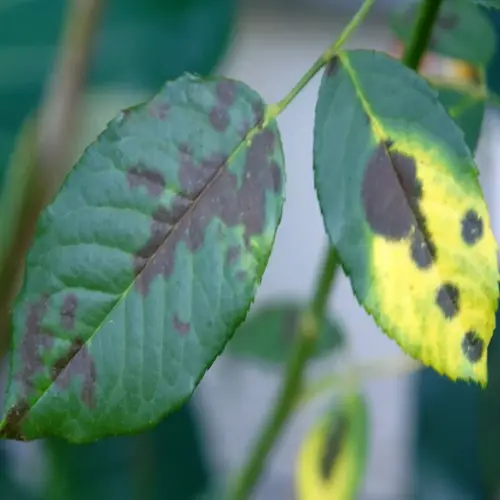

The best prevention bacterial leaf spot strategy starts with your seed. Certified disease-free seed is the single most important step you can take. Infected seed is the main way this pathogen gets into your garden in the first place. If you start clean, you cut your risk in half before you even put a plant in the ground.
I saw this firsthand when I switched my whole program two seasons ago. I started buying hot-water treated seed and put in drip irrigation at the same time. The first year my bacterial leaf spot cases dropped by about 70% compared to the three years before. The second year was even better. That two-part change did more for my garden than any spray program ever had. You can prevent bacterial leaf spot with smart choices long before you reach for a bottle.
WVU Extension breaks prevention into a clear framework you can follow. First, stop the pathogen's survival by pulling out all old plant debris and rotating your crops on a three-year cycle minimum. Second, reduce infection paths by using clean seed and drip watering instead of overhead sprinklers. Third, slow down the pathogen's spread by spraying copper or biocontrols at the first sign of trouble. Each layer makes your defense stronger.
UConn IPM adds more detail to help you prevent bacterial leaf spot in your own beds. They push hard for disease-free transplants from trusted sources. They say trickle lines beat overhead water every time. They also suggest mixing copper sprays with resistance inducers before any symptoms show up. All of these steps work as a team to keep the pathogen off your plants.
Winter: Plan Your Seed and Varieties
- Buy certified seed: Order from companies that test for bacterial pathogens and offer hot-water treated seed options.
- Pick resistant types: Choose varieties with known resistance genes like X3R or X10R in peppers for added protection.
- Check your notes: Review last year's garden log to know which beds need rotation and which ones are safe to plant.
Spring: Set Up Your Defenses
- Inspect transplants: Check every seedling for spots or yellow leaves before you put it in the ground or bring it home.
- Install drip lines: Lay out your drip tape or soaker hoses before you plant so you never have to use overhead water.
- Prep your copper: Have your copper spray and resistance inducers on hand so you can react fast if spots show up.
Summer: Scout and Respond
- Weekly checks: Walk your rows every week and look at the lower leaves first since that's where symptoms start.
- Spray early: Hit your plants with copper plus Actigard at the first sign of water-soaked spots, not after the damage spreads.
- Stay dry: Never work in your beds when the leaves are wet because your hands and tools spread bacteria between plants.
Fall: Clean Up and Sanitize
- Pull everything: Remove all plant material from your beds as soon as your harvest wraps up for the season.
- Trash don't compost: Bag up all debris from beds that had any spots and send it to the landfill, not your compost pile.
- Sanitize tools: Clean your stakes, cages, and pruners with a 10% bleach solution before you store them for winter.
These bacterial leaf spot prevention tips work best when you use them all together. Skipping one step opens a gap that the pathogen can slip through. I know it feels like a lot of work up front. But cleaning up one outbreak takes ten times more effort than setting up a solid prevention plan. Protect your garden at every stage and you'll spend your summer picking fruit instead of fighting disease.
Read the full article: Bacterial Leaf Spot: How to Identify and Control It