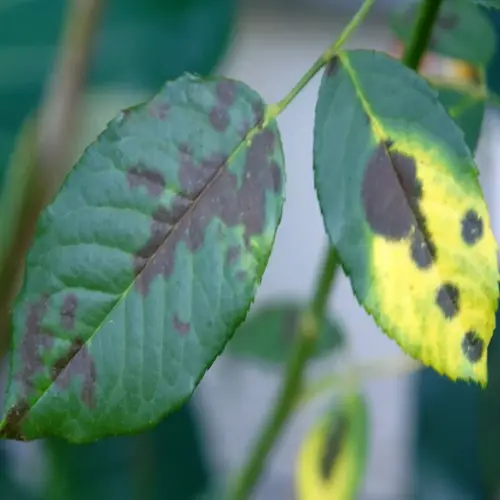

The environmental conditions bacterial leaf spot thrives in are warm, wet, and humid. Temps between 75-86°F (24-30°C) paired with humidity above 85% and steady rain create the worst outbreaks. When all three line up, the bacteria can double in hours and your plants take a beating fast.
I started tracking weather data in my garden log three years ago. The pattern jumped out fast. Every big outbreak came after three or more days of warm rain with overnight temps staying above 70°F (21°C). The disease was quiet during dry spells but exploded after each wet stretch. Once I saw the link, I could time my spray days based on the weather forecast instead of waiting for spots to show up.
Not all leaf spot bacteria like the same temps though. NC State Extension found that temperature leaf spot disease links vary by species. Xanthomonas bacteria do their worst above 80°F (27°C) in hot summer weather. Some Pseudomonas species prefer the cooler range of 55-77°F (13-25°C) during spring and fall. This means your plants face different threats at different times of year depending on which pathogen is in your soil.
Humidity bacterial leaf spot spread links up with temperature to set your risk level. WVU Extension sets the danger zone at relative humidity above 85% with warm nights above 70°F (21°C). When both factors stay high for several days, expect rapid disease progress. The flip side is good news though. Three or more days below 40% humidity slows the spread. Three or more weeks at that dry level stops it for good.
You can't control the weather, but you can work around it. Check your forecast every week during the growing season. If you see a stretch of warm humid days coming, spray your copper and resistance inducers the day before the rain starts. Waiting until after the wet period means the bacteria already have a head start on your plants.
Shade cloth can help during heat waves by keeping your plant canopy a few degrees cooler. This won't stop the disease on its own but it reduces heat stress that makes your plants more open to infection. I drape 30% shade cloth over my pepper rows when temps climb above 90°F (32°C) for more than two days in a row.
Timing your plantings is another smart move. If your area gets the worst humidity bacterial leaf spot weather in July and August, start early. Give your plants time to build a strong canopy before peak disease season hits. A plant with full mature leaves handles infection better than a young one still filling out. Plan around your local weather and you'll cut disease risk before you ever pick up a spray bottle.
Read the full article: Bacterial Leaf Spot: How to Identify and Control It