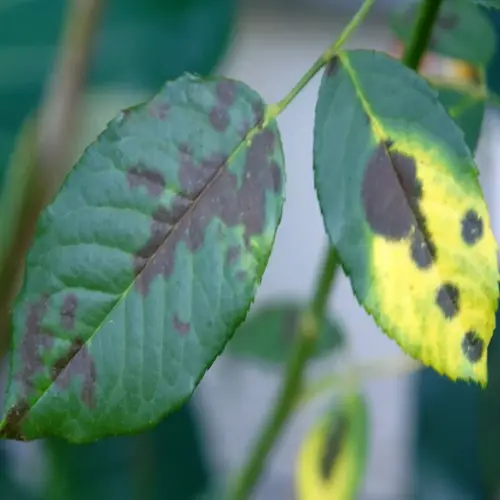

Yes, vegetables with bacterial leaf spot safe to eat concerns are overblown. Bacteria like Xanthomonas and Pseudomonas attack plant cells only and can't infect you. These organisms don't have the tools to harm human tissue. Your spotted peppers and tomatoes pose no direct health risk at all.
I harvest peppers with minor bacterial spot damage all season long. I grab a clean knife, cut away the spotted area with about a half-inch margin of good tissue around it, and use the rest for cooking. I've done this for years and never had a problem. The key is that the undamaged flesh around the spot stays firm and healthy.
Here's the important detail you need to understand about eating vegetables leaf spot has touched. The spots on your fruit are dead plant cells, not a danger to you. But those dead spots create tiny cracks and soft zones in your produce. Other organisms like mold and decay bacteria can move into those openings. Those secondary invaders are the ones that can cause food safety issues, not the leaf spot bacteria.
UMN Extension makes this same point in their guides. Fruit with bacterial spots may let spoilage organisms set up shop through the damaged skin. The spots act like open doors that let the bad stuff in. So the risk isn't from the leaf spot itself but from what moves in after it does its damage.
This means your handling matters. A pepper with a few small spots is fine to trim and eat right away. A tomato with large soft areas and an off smell has gone past the safe point. You need to judge each piece of produce on its own and toss anything that shows signs of rot or decay beyond just the bacterial spots.
Trim Minor Spots Away
- Use a clean knife: Cut out each spot with a half-inch border of clean tissue around it to make sure you get all the damaged area.
- Check the flesh: If the tissue under the spot feels firm and looks normal in color, the rest of your fruit is good to use.
- Cook it soon: Use trimmed produce the same day rather than storing it since the cut areas can pick up new bacteria fast.
Know When to Toss It
- Soft rot sign: If the area around a spot feels mushy, slimy, or gives off a sour smell, the whole fruit should go in the trash.
- Size matters: Fruit with spots covering more than 25% of the surface often has hidden decay you can't see from the outside.
- Trust your nose: An off-odor from any piece of produce means secondary decay has set in and you should not eat it.
Clean Your Workspace
- Wash your hands: Scrub with soap after you handle spotted produce so you don't spread spoilage organisms to clean food items.
- Sanitize surfaces: Wipe your cutting board with diluted bleach or vinegar after trimming spotted produce before using it again.
- Separate batches: Keep spotted produce away from your clean harvest so any surface mold or decay doesn't jump between items.
For bacterial leaf spot food safety, the bottom line is simple. Small spots on firm fruit are no threat to you at all. Trim them off and enjoy your harvest. But large damaged areas with soft tissue or bad smells mean secondary rot has taken over. Toss those pieces and don't feel bad about it.
I hate wasting food from my garden, but I've learned to be honest about which fruit is worth saving and which has gone too far. A few trimmed peppers in a stir fry taste just as good as spotless ones. But a mushy tomato with spreading rot belongs in the compost, not on your plate. Use your best judgment and you'll be fine.
Read the full article: Bacterial Leaf Spot: How to Identify and Control It