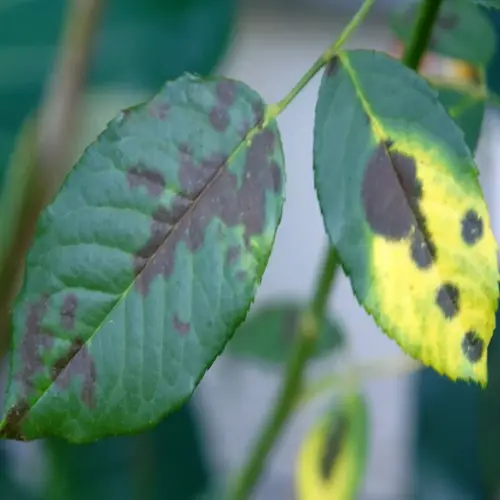

No single spray can treat bacterial leaf spot on its own. You need a mix of copper sprays, biocontrols, and good growing habits working together. This disease fights back hard, so an all-in approach is the only way to win.
I tested copper sprays alone on one pepper row two seasons back. The next row got copper plus Actigard as a team. Within two weeks the copper-only row still had spots spreading fast. The combo row slowed way down. That test sold me on a bacterial leaf spot treatment plan that uses more than one tool at a time.
Copper ions kill bacteria by breaking apart their cell walls on contact. But copper can't reach bacteria already inside the leaf. This is why your spray timing matters so much. Hit the plants before symptoms show up or right when the first tiny spots appear. Once leaves look ragged, copper loses most of its power.
For copper fungicide leaf spot control, spray copper hydroxide every 7-10 days in warm wet weather. Add a biocontrol bacterial spot product like Serenade between copper sprays. It uses good bacteria to crowd out the bad ones on leaf surfaces. Apply it before disease hits the 5% mark on your plants for best results.
Resistance inducers add a third layer of defense. Actigard and Regalia wake up the plant's own immune system. I mix Actigard into my copper tank and spray both at once. It saves me a trip through the rows and gives stronger protection than either product on its own.
Remove Infected Leaves First
- Start here: Pick off every leaf with spots or lesions before you spray so treatments reach the healthy leaves that still need help.
- Disposal method: Bag and trash the removed leaves right away since compost piles may not kill the bacteria hiding inside.
- Timing tip: Do this when leaves are dry because wet plants spread bacteria to your hands and tools much faster.
Switch to Drip Irrigation
- Why it matters: Overhead water splashes bacteria from leaf to leaf and creates the wet conditions they need to grow fast.
- Best setup: Run drip tape or soaker hoses at soil level so water hits roots without touching leaves or fruit above.
- Quick fix: If drip lines aren't ready yet, water in the early morning so leaves dry within 2-3 hours of sunrise.
Apply Copper Plus Inducer Combo
- Spray schedule: Mix copper hydroxide with Actigard or Regalia and apply every 7-10 days when the weather stays warm and humid.
- Coverage goal: Coat both the top and bottom of each leaf since bacteria enter through tiny pores on the underside most often.
- Resistance watch: If spots keep spreading after three rounds, the bacteria may have built copper tolerance and you should rotate products.
Monitor and Adjust Weekly
- Scout pattern: Check 10 plants per row each week and look at three leaves per plant from the bottom, middle, and top sections.
- Threshold alert: New lesions on more than 20% of checked leaves means you should shorten your spray gap to every five days.
- Record keeping: Write down spot counts each week so you can track trends and know if your treatment plan is working.
How fast you act makes all the gap. I've seen rows go from a few specks to 50% leaf loss in three weeks of warm rain. Start your program at the first sign of trouble. Stay on schedule even when new spots seem to slow down. One skipped spray during peak disease can undo weeks of hard work.
Beating this disease takes a full season of effort, not one big spray day. Pair your treatments with clean tools, drip watering, and weekly checks. The growers who stay ahead of the spread are the ones who bring in a full harvest at the end.
Read the full article: Bacterial Leaf Spot: How to Identify and Control It