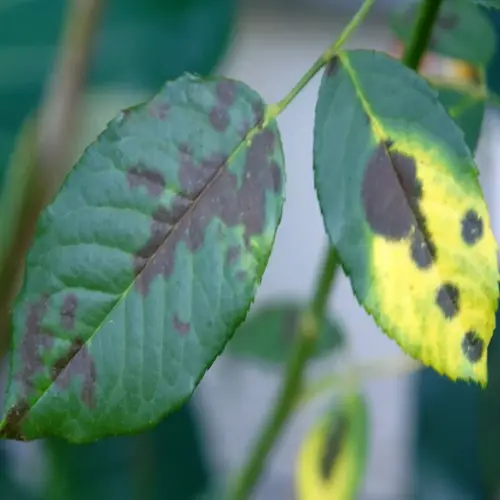

The bacteria behind bacterial leaf spot survive in soil for at least 18 months and often up to two full years. The pathogens hang on inside dead leaf and stem material long after your season ends. If you plant the same crop in that bed too soon, you're giving the bacteria a fresh host to attack.
I found this out when bacterial leaf spot came back in a pepper bed I had left fallow for just one season. I thought a year off would be enough time to clear the soil. I was wrong. The spots showed up on my new transplants within three weeks of planting. That failure taught me the hard way that one year off isn't close to enough for this disease.
The bacteria don't float around loose in your soil waiting to attack. They hide inside rotting bits of leaf, stem, and root left from your last crop. That debris acts like a shield that keeps the bacteria alive and fed while they wait. This is why bacteria soil survival depends so much on how well you clean up after harvest. Pull every scrap of old plant material out of your beds and you cut the survival window down fast.
WVU Extension found something even more alarming about how long these pathogens last. Infected dried seeds stayed viable after 10 full years of cold storage. That means the bacteria can sleep for a decade and still wake up ready to infect a new plant. Your soil is just one piece of the puzzle. Seeds you save from infected plants can carry the problem forward for years if you're not careful with your seed stock.
This bacteria soil survival timeline is why crop rotation bacterial leaf spot plans matter so much. Every major extension service says to wait three full years before you use that bed again. Don't put tomatoes, peppers, or eggplant back in a bed that had this disease. Fill those years with beans, lettuce, or root crops that the bacteria can't touch.
Clean Up After Harvest
- First step: Pull every piece of old plant material out of your bed as soon as your harvest wraps up for the season.
- Don't till it in: Chopping infected debris into your soil just spreads the bacteria deeper and gives them more places to hide.
- Bag and trash: Send infected plant waste to the landfill since your home compost pile won't get hot enough to kill these pathogens.
Follow a Three-Year Rotation
- The rule: Keep tomatoes, peppers, and eggplant out of any bed that had bacterial leaf spot for three full seasons minimum.
- Fill the gap: Grow beans, greens, or root crops in those beds during the rotation since these plants don't host the same bacteria.
- Track your beds: Keep a simple garden map or notebook so you know which beds had problems and when they're safe to use again.
Try Soil Solarization
- How it works: Cover your cleared bed with clear plastic for 4-6 weeks during the hottest part of summer to cook the top layer of soil.
- Heat target: You need soil temps above 130°F (54°C) at the surface to kill most bacteria hiding in leftover plant bits.
- Best climates: This works great in southern gardens with strong summer sun but may not reach high enough temps in the north.
Crop rotation for bacterial leaf spot isn't optional if you want to break the disease cycle. I now keep a written garden log that tracks what I grow in each bed every year. It takes five minutes per season and saves me from repeating the same mistake that cost me an entire pepper harvest. Your soil holds onto this pathogen for years, so plan your rotations ahead and stick to them no matter what.
Read the full article: Bacterial Leaf Spot: How to Identify and Control It