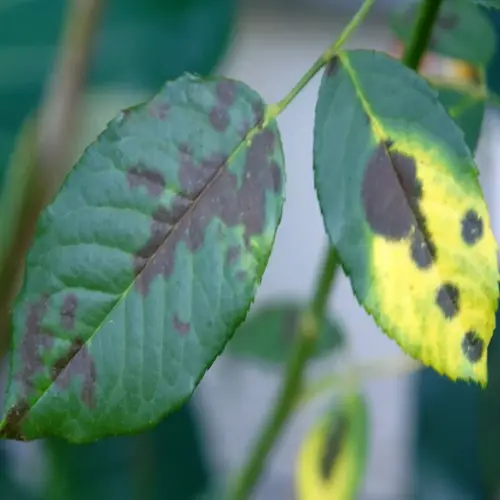

Overhead watering bacterial leaf spot problems go hand in hand. Sprinklers splash bacteria off infected leaves and soil onto your healthy plants. That same water then sits on leaf surfaces and gives the bacteria a perfect wet home to multiply in. You're feeding the disease every time you turn on those sprinklers.
I saw the proof in my own pepper plot. I had been using overhead sprinklers for years and fought leaf spot every single summer. Two seasons ago I ripped out the sprinklers and put in drip tape at soil level. Within two weeks I counted far fewer new spots on my plants compared to the same point the year before. That one switch did more to slow the disease than any spray I had tried.
UMN Extension research puts real numbers behind irrigation and leaf spot spread. In plots with overhead water, bacteria moved 4-11 inches (10-28 cm) within just 5 days. By day 12, the spread reached 5-10 feet (1.5-3 meters) from the starting point. Each water droplet that bounces off a sick leaf carries bacteria to the next plant in line. A single watering session can scatter the disease across your whole row.
The splash does two things at once. It moves bacteria to new plants and it coats leaves in a film of water. Bacteria need that moisture to enter the leaf through tiny pores called stomata. Dry leaves are hard for bacteria to invade. Wet leaves are an open door. So overhead watering both delivers the pathogen and rolls out the welcome mat for it.
UConn IPM puts it in plain terms. They say to use trickle lines instead of overhead water for any crop prone to bacterial disease. The Missouri Botanical Garden puts it on their list of eight key control steps for leaf spot. Every major source agrees on this point. Keeping water off your leaves is one of the cheapest and most effective things you can do.
Switch to Drip or Soaker Hoses
- Best choice: Drip irrigation disease prevention starts at the soil line where water reaches roots without ever touching your leaves.
- Easy install: Lay drip tape along each row before you plant and connect it to a timer for hands-free watering all season long.
- Cost savings: Drip systems use 30-50% less water than sprinklers, so they save you money while they protect your crops.
Water in the Early Morning Only
- If you must use overhead: Run your sprinklers before dawn so the sun dries your leaves within 2-3 hours of first light.
- Never at night: Evening watering leaves plants wet all night long, giving bacteria their best window to invade and multiply.
- Check the forecast: Skip watering before a rainy day since your plants will get wet anyway and don't need the extra moisture.
Space Your Plants for Airflow
- Give them room: Wide spacing lets air move between your plants and dries leaves faster after any rain or morning dew.
- Prune the bottom: Remove lower leaves that touch the soil since those catch the most splash and get infected first.
- Row direction: Run your rows with the wind if you can so breezes blow straight through the canopy and dry things out.
Stay Out of Wet Beds
- Hands spread it too: Your fingers and tools carry bacteria from plant to plant when you work in wet conditions.
- Wait to work: Let your plants dry off before you prune, tie up, or harvest so you don't play taxi for the pathogen.
- Clean your gear: Wipe pruners with a 10% bleach solution between plants if you have to work when conditions are damp.
Drip irrigation disease prevention is one of the few changes that costs little and works right away. You don't need fancy sprays or special products. Just get the water off your leaves and onto the soil where it belongs. I wish I had made the switch years sooner because the difference in plant health was obvious from the very first season. Your plants will thank you for it.
Read the full article: Bacterial Leaf Spot: How to Identify and Control It