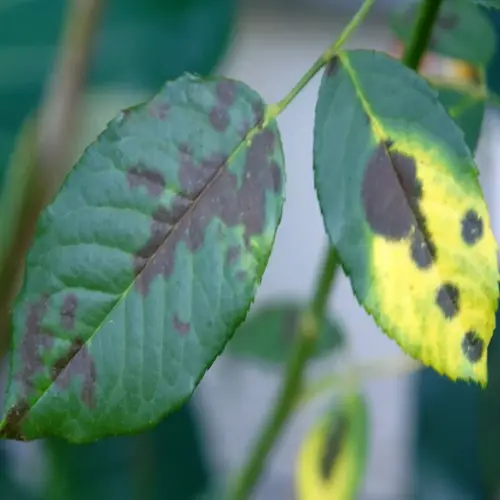

Neem oil won't control neem oil bacterial leaf spot in any meaningful way. Its main power targets fungi and insects, not bacteria. If you're spraying neem on bacterial spots, you're wasting your time and money while the disease keeps spreading across your plants.
I learned this the hard way on my pepper plants two years back. I sprayed neem oil on one row with fresh bacterial spots and left the next row untreated as a test. After two full weeks both rows looked the same. The neem-treated row had just as many new lesions as the row I never touched. That experiment proved that neem oil plant disease control stops at fungal and insect targets. Bacteria are a whole different fight.
The science backs up what I saw in the garden. Neem oil's active compound is azadirachtin. It works by messing up how insects feed and how fungal cells grow. But the bacteria that cause leaf spot have tough gram-negative cell walls that azadirachtin can't break through. Copper ions can punch holes in those walls on contact. Neem oil just sits on the surface and does nothing to the bacteria hiding inside your leaf tissue.
NC State Extension doesn't even list neem oil as an option for bacterial leaf spot. Their protocol calls for copper-based products and Bacillus subtilis strains as the go-to choices. Neem oil shows up in their guides for fungal diseases and pest control but not for bacterial problems. A big university leaving it off the list says a lot about how little it does to bacteria.
The good news is you have strong organic choices that do work. If you want an organic bacterial leaf spot remedy that earns its keep, start with these proven options that target bacteria head-on.
Bacillus Subtilis Products
- Top pick: Serenade and similar products use living bacteria that crowd out leaf spot pathogens right on the leaf surface.
- How it works: The good bacteria take up space and food that the bad bacteria need, starving them out over time.
- Best timing: Apply before infection hits 5% of your leaves since these products prevent better than they cure.
Organic Copper Sprays
- OMRI listed: Several copper hydroxide products carry organic approval, so you can use them and still keep your garden chemical-free.
- Direct action: Copper ions break apart bacterial cell walls on contact, killing them before they enter your leaf tissue.
- Spray schedule: Apply every 7-10 days during wet weather and always coat the underside of your leaves where bacteria enter.
Plant Resistance Inducers
- Best option: Regalia is an organic product made from giant knotweed extract that wakes up your plant's own immune defenses.
- How it helps: Your plant builds thicker cell walls and produces compounds that slow bacterial growth from the inside out.
- Pair it up: Mix Regalia with your copper spray for a two-pronged organic attack that works better than either one alone.
Save your neem oil for the jobs it does well like fighting aphids, mites, and powdery mildew. When bacterial leaf spot shows up on your plants, reach for copper or Bacillus subtilis instead. As an organic bacterial leaf spot remedy, these products have the research behind them and the field results to match. You don't need to give up on organic growing just because neem oil can't handle this one problem.
The biggest mistake I see gardeners make is sticking with neem oil because it worked on their last plant problem. Every disease needs its own tool. For bacterial leaf spot, that tool is copper plus a biocontrol, not neem. Switch your spray bottle and you'll see the difference within a week or two.
Read the full article: Bacterial Leaf Spot: How to Identify and Control It