
Introduction
Blight on tomatoes destroys more gardens than any other disease. Late blight alone costs growers $6.7 billion each year across the globe. Your backyard plants face the same threat that wipes out commercial farms.
I've lost entire tomato harvests to this tomato plant disease. One week my plants looked healthy. The next week they were brown skeletons. Penn State research confirms late blight can defoliate crops in just 14 days. That's just enough time to react if you catch it fast.
Here's what most gardeners miss. Tomato blight isn't one disease. It's three different infections with unique causes. Early blight, late blight, and Septoria each attack your plants in their own way. Treating the wrong one wastes time and money.
This guide breaks down each type so you can identify and treat tomato blight fast. Cornell research shows even resistant varieties need good care. But with the right knowledge, you can protect your harvest and grow great tomatoes year after year.
Tomato Blight Types Compared
Three pathogens cause the diseases we call tomato blight. Each one attacks your plants in different ways. I learned this the hard way after treating late blight with the wrong product for two weeks.
Early blight comes from a fungus named Alternaria. Think of it like a slow leak in your roof. You'll notice damage over weeks. It spreads through soil splash and wind. Most gardeners can manage it with basic care.
Late blight is the real killer. A water mold named Phytophthora causes it. Here's what most guides won't tell you. This pathogen isn't a true fungus at all. It's an oomycete. That matters because some fungicides don't work on water molds.
Late blight acts like a burst pipe in your garden. When it hits, you have 7 to 10 days before total crop loss. USDA researchers found certain strains carry a virus. These strains make up to 125 times more spores than normal. That explains why some outbreaks spread so fast.
Septoria leaf spot falls in the middle. This fungus creates tiny spots on leaves. It won't destroy your crop overnight like late blight. But it will weaken plants and reduce your harvest if you ignore it.
Blight Symptoms on Tomatoes
Catching tomato blight symptoms fast saves your harvest. I check my plants twice a week during humid weather. You need to know what to look for on each leaf surface.
Start your inspection at the bottom of the plant. That's where most blight infections begin. Work your way up like a detective looking for clues. NC State research shows late blight lesions can appear within 3 to 5 days of infection.
UMN Extension found that early blight spots develop in just 5 days. They grow from 1/8 inch to 1/2 inch as the infection spreads. The faster you spot these changes, the better your chances of saving the plant.
Early Blight Warning Signs
- Location: Symptoms begin on the oldest, lowest leaves closest to the soil where spores splash up during rain or watering, then progress upward through the plant.
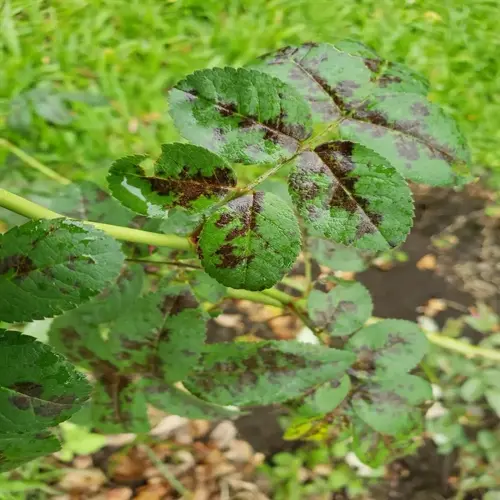
- Leaf Spots: Dark brown circular spots develop with distinctive concentric rings creating a target or bulls-eye pattern, measuring 1/8 to 1/2 inch (3-12 mm) in diameter.
- Leaf Changes: Yellow halos often surround the brown spots, and leaves turn yellow and drop from the plant as infection progresses.
- Stem Symptoms: Dark sunken lesions may appear on stems near the soil line, sometimes girdling young transplants and causing plant collapse.
- Fruit Damage: Leathery dark spots with concentric rings can develop on tomato fruit, near the stem end where spores collect.
Late Blight Emergency Signs
- Appearance Speed: Symptoms develop fast within 3-5 days of infection and can progress from first spots to total plant death within 7-10 days under favorable conditions.
- Leaf Lesions: Irregular water-soaked patches appear that look greasy or wet, turning from pale green to brown or purplish-black as tissue dies.
- Underside Growth: White to grayish fuzzy or cottony growth appears on the underside of leaves during humid conditions, indicating active spore production.
- Stem Collapse: Dark brown to black lesions girdle stems and branches, causing wilting and collapse of plant sections above the infection point.
- Fruit Rot: Firm brown patches develop on green or ripe fruit, often with a rough or granular texture, and fruit may rot within days.
Septoria Leaf Spot Indicators
- Spot Size: Very small circular spots measuring 1/16 to 1/8 inch (2-3 mm) in diameter, much smaller than early blight lesions, appearing on lower leaves first.
- Spot Appearance: Gray or tan centers with dark brown or black borders, sometimes with tiny dark specks visible in the center under magnification.
- Progression Pattern: Spots remain small and numerous rather than expanding, but heavy infection causes leaves to yellow, wither, and drop early.
- Plant Section Affected: This blight affects leaves and seldom spreads to fruit, but severe defoliation exposes fruit to sunscald and reduces overall plant vigor.
- Timing: Often appears after periods of warm wet weather, when plants are crowded and air circulation is poor around lower foliage.
When to Take Immediate Action
- Late Blight Detection: Finding any water-soaked lesions with white fuzzy growth requires immediate removal of affected material and fungicide application within 24 hours.
- Rapid Spread Signs: If multiple plants show symptoms at once or new spots appear each day, the infection spreads fast and you need aggressive treatment.
- Weather Triggers: Cool temperatures 60-70°F (15-21°C) combined with rain, fog, or heavy dew indicate high late blight risk requiring preventive action.
- Fruit Involvement: Once blight symptoms appear on tomato fruit, the infection has spread far and you should focus on salvaging remaining healthy fruit.
- Neighbor Reports: News of late blight outbreaks within 30 miles (48 km) of your garden warrants preventive fungicide application even without visible symptoms.
Conditions That Cause Blight
Weather controls tomato blight more than most gardeners realize. In my experience, one rainy week can take a garden from disease free to destroyed. Once you know what triggers outbreaks, you can predict and prevent them.
Think of late blight spores as travelers. They need specific conditions to survive their journey from plant to plant. Penn State research shows these spores die within 5 hours when humidity drops below 80%. They can't survive at all below 95% humidity. This explains why dry weather stops outbreaks cold.
Late blight spores travel far. Studies show they can ride wind currents for up to 30 miles during storms. That's why outbreaks seem to appear from nowhere. Your neighbor's garden could infect yours even if you've never had blight before.
Here's a tool most gardeners don't know about. USAblight.org tracks late blight outbreaks across the country. You can sign up for text alerts when blight appears in your region. This early warning gives you time to apply fungicides before spores reach your plants.
Preventing Tomato Blight
You can prevent tomato blight with the right approach. In my experience, these methods cut blight problems by 90% when used together. Think of prevention as layers. Each one adds protection. Together they create a barrier that blight struggles to break through.
Prevention starts before planting and continues all season. The effort you put in early pays off when your neighbors lose their crops and yours keep producing. Here's what works best at each stage.
Pre-Season Soil Preparation
- Crop Rotation: Rotate tomatoes to a new location every 3-4 years to break disease cycles, as early blight and Septoria pathogens overwinter in soil and plant debris.
- Debris Removal: Clear all previous tomato and potato plant material from the garden bed before planting, as infected stems and leaves harbor spores through winter.
- Soil Amendment: Add compost that reached at least 120°F (49°C) during composting to ensure any plant pathogens were destroyed.
- Bed Selection: Choose a planting location with full sun and good air movement, avoiding low-lying areas where cold air and morning dew collect and linger.
Planting and Spacing Practices
- Plant Spacing: Space tomato plants at least 24-36 inches (60-90 cm) apart to ensure adequate air circulation that helps leaves dry fast after rain or irrigation.
- Stake or Cage Early: Install support structures at planting time to keep foliage off the ground where soil-borne spores splash onto lower leaves during watering.
- Lower Leaf Removal: Remove the lowest 6-12 inches (15-30 cm) of foliage as plants grow, eliminating the leaves most vulnerable to soil splash infection.
- Resistant Variety Selection: Choose tomato varieties bred with Ph-2 and Ph-3 resistance genes for the strongest protection against the dominant late blight genotypes.
Water Management Techniques
- Drip Irrigation: Water at the soil level using drip lines or soaker hoses rather than overhead sprinklers that wet foliage and splash spores from soil to leaves.
- Morning Watering: If overhead watering is your only option, water early in the morning so leaves dry before evening humidity increases.
- Mulch Application: Apply 2-4 inches (5-10 cm) of straw, wood chips, or other organic mulch around plants to prevent soil and spores from splashing onto lower leaves.
- Avoid Evening Moisture: Never water in the evening when cooler temperatures and higher humidity create ideal conditions for spore germination on wet leaves.
Monitoring and Early Response
- Regular Inspection: Check plants at least twice a week during humid weather, examining both upper and lower leaf surfaces for the earliest signs of infection.
- USAblight Tracking: Register for text alerts at USAblight.org to receive notifications when late blight appears in your region, allowing preventive fungicide application.
- Weather Awareness: Monitor forecasts for periods of cool wet weather 55-70°F (13-21°C) with rain when late blight risk climbs highest.
- Immediate Removal: Remove any leaves showing early symptoms and dispose of them in sealed plastic bags in household trash rather than composting.
Treating Tomato Blight
When you spot blight on your tomatoes, timing matters more than product choice. I've tested both organic and chemical treatments over 8 seasons. The key difference isn't what you spray. It's when and how often you spray it.
NC State research shows fungicides work best as prevention. Apply them every 7-10 days during dry weather. Once you find active infection, switch to every 5-7 days. Missing even one application during wet weather lets blight gain ground fast.
Copper fungicides are your best organic choice. They're the only OMRI-listed treatment that works on both blight types. If you use chemicals, look for products with chlorothalonil. They kill more pathogens but need careful handling.
Remove infected leaves before spraying. The fungicide protects healthy tissue but can't cure what's already damaged. Bag those leaves and throw them in the trash. Never compost blighted plant material unless your pile reaches 120°F (49°C) to kill the spores.
Blight Resistant Tomato Varieties
Blight resistant tomatoes give you a huge advantage. I tested them five years ago. My harvest went from 50% losses to almost zero blight damage most seasons.
Here's what makes resistance work. Plants carry genes called Ph-2 and Ph-3 that help fight late blight. Cornell research found that varieties with both genes gave the best results. They beat US-23, the dominant blight strain since 2012.
Some gardeners worry that resistant tomatoes taste bland. The data says otherwise. In Cornell taste tests, Mountain Magic and Jasper scored above 4.3 out of 5. Over 89% of tasters said they'd buy them again. Resistance and great flavor can go together.
Iron Lady Tomato
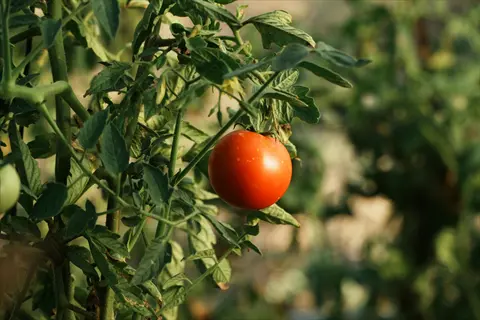
- Resistance Level: Contains both Ph-2 and Ph-3 resistance genes, giving the strongest protection against the dominant US-23 late blight strain in Cornell University trials.
- Plant Type: Determinate growth reaching 4-5 feet (1.2-1.5 m) tall, producing fruit over a short period ideal for gardeners who want a big harvest for canning or preserving.
- Fruit Characteristics: Medium red slicing tomatoes weighing 6-10 ounces (170-280 g) with classic round shape and firm texture suitable for fresh eating and cooking.
- Growing Requirements: Thrives in full sun with standard tomato feeding, benefits from staking despite determinate habit, and matures in about 75 days from transplant.
- Additional Resistances: Also fights early blight and Septoria leaf spot, making it great for gardeners in humid regions with multiple disease pressures.
- Availability Note: First bred for commercial growers but now sold through specialty seed companies for home gardeners seeking top disease resistance.
Mountain Merit Tomato
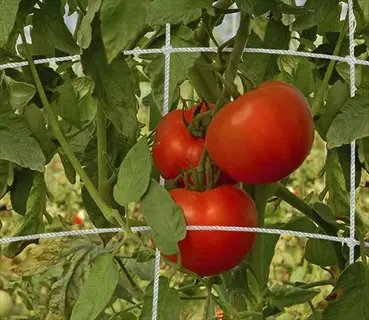
- Resistance Level: Contains both Ph-2 and Ph-3 genes with strong late blight results in multi-year Cornell and NC State university trials against current pathogen strains.
- Plant Type: Determinate variety with compact growth to 3-4 feet (0.9-1.2 m), setting fruit clusters that ripen at the same time for easy harvesting.
- Fruit Characteristics: Large beefsteak tomatoes averaging 8-12 ounces (225-340 g) with smooth red skin, minimal cracking, and firm flesh great for slicing and sandwiches.
- Growing Requirements: Does best with steady moisture, responds well to balanced feeding, and benefits from calcium to prevent blossom end rot common in large fruits.
- Flavor Profile: Rated as good commercial quality flavor with firm texture that ships well, though some gardeners find taste less rich than heirloom varieties.
- Best Use Cases: Ideal for market gardeners and home growers in late blight zones who need reliable production of large slicing tomatoes with less spraying.
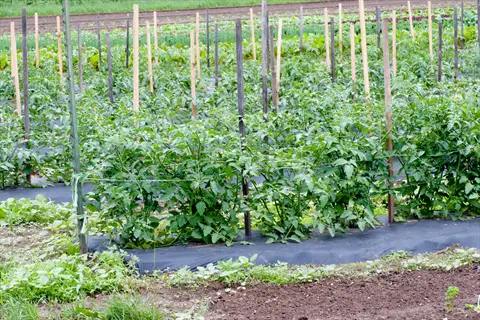
Defiant PhR Tomato
- Resistance Level: Carries Ph-2 and Ph-3 resistance genes with excellent results against US-23 late blight in controlled university trials and real garden conditions.
- Plant Type: Determinate growth reaching 4 feet (1.2 m) tall with strong stems, needs minimal staking, and produces heavy crops over a 3-4 week harvest window.
- Fruit Characteristics: Medium round red tomatoes weighing 5-7 ounces (140-200 g) with crack-free skin, good firmness for handling, and even ripening throughout clusters.
- Growing Requirements: Adapts to various soil types with standard tomato care, handles moderate heat stress, and matures in about 72 days from transplant.
- Disease Package: Beyond late blight resistance, shows tolerance to Verticillium wilt, Fusarium wilt, and tomato spotted wilt virus for complete disease protection.
- Home Garden Value: Compact size suits container growing and small gardens while the disease resistance reduces or cuts out fungicide needs for many gardeners.
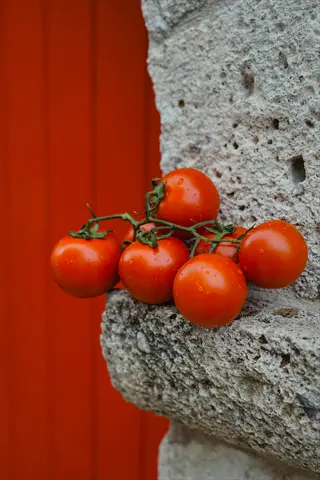
Mountain Magic Tomato
- Resistance Level: Contains both Ph-2 and Ph-3 genes with documented strong resistance to late blight, plus outstanding early blight resistance that other varieties often lack.
- Plant Type: Indeterminate growth continuing to produce fruit until frost, reaching 6-8 feet (1.8-2.4 m) tall and needing strong staking or tall cages for support.
- Fruit Characteristics: Cocktail-sized tomatoes weighing 2-3 ounces (55-85 g) with bright red color, crack-free skin, and clusters of 6-8 fruits that ripen over time.
- Flavor Excellence: Scored above 4.3 out of 5 in Cornell consumer taste tests with over 89% of tasters saying they'd buy again, matching flavor of non-resistant types.
- Growing Season: Long production window from early summer through fall makes this variety ideal for fresh eating over an extended period rather than canning harvests.
- Unique Position: One of few resistant varieties combining excellent disease protection with high consumer flavor ratings, proving that resistance and taste can go together.
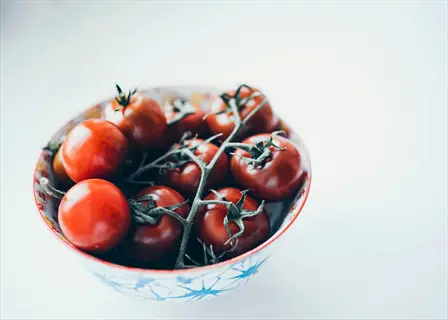
Jasper Cherry Tomato
- Resistance Level: Shows strong late blight resistance in Cornell trials plus early blight tolerance, making it one of the most disease-resistant cherry tomato options available.
- Plant Type: Vigorous indeterminate vines growing 6-10 feet (1.8-3 m) tall with heavy fruit production needing sturdy trellising or tall caging throughout the season.
- Fruit Characteristics: Small round cherry tomatoes weighing about 1 ounce (28 g) each, produced in long trusses of 12-20 fruits with excellent uniformity and minimal cracking.
- Flavor Profile: Rated above 4.3 out of 5 in taste tests with sweet-tart balance and thin tender skin preferred by most consumers over many standard cherry varieties.
- Production Volume: Extremely prolific producer with single plants yielding hundreds of fruit when grown with adequate support and steady moisture through the season.
- Best Applications: Perfect for salads, snacking, roasting, and situations where high volume of small tomatoes is desired with minimal disease management work.

Plum Regal Tomato
- Resistance Level: Carries late blight resistance genes effective against US-23 genotype with documented results in NC State Extension trials and commercial production settings.
- Plant Type: Determinate paste tomato variety with compact 3-4 foot (0.9-1.2 m) plants that produce grouped harvests ideal for sauce making and preservation projects.
- Fruit Characteristics: Elongated Roma-type fruits weighing 3-4 ounces (85-115 g) with meaty flesh, few seeds, and low moisture content perfect for cooking down into thick sauces.
- Processing Quality: Flesh-to-juice ratio and firm texture make this variety excellent for canning, drying, and paste production where you want to reduce water content.
- Harvest Timing: Determinate growth means most fruit ripens within a 2-3 week window, allowing efficient single harvesting for large batch processing.
- Disease Value: Solves the common problem of paste tomato crops getting hit by late blight just as fruit reaches processing maturity in late summer.
5 Common Myths
Many gardeners believe that tomato blight is caused by over-watering or under-watering their plants, leading them to adjust irrigation when symptoms appear.
Blight is caused by fungal pathogens (Alternaria, Phytophthora, Septoria) that spread through spores, not watering habits. However, overhead watering can splash spores and promote infection.
A common misconception holds that once a tomato plant shows blight symptoms, the entire garden is permanently contaminated and tomatoes cannot be grown there again.
Most blight pathogens survive one to two seasons in soil debris. Practicing crop rotation for three to four years, removing infected debris, and planting resistant varieties allows successful future tomato crops.
Some gardeners think that organic or heirloom tomato varieties are naturally more resistant to blight because they are grown without chemicals.
Blight resistance comes from specific genes (Ph-2, Ph-3) bred into certain varieties. Many heirloom tomatoes have no resistance genes and are actually more susceptible than modern resistant hybrids.
There is a widespread belief that blight only affects tomatoes during cool, rainy weather, so hot summer gardens are safe from infection.
Early blight thrives in warm conditions (82-86 degrees Fahrenheit or 28-30 degrees Celsius) and can infect plants throughout summer. Late blight prefers cooler temperatures but still spreads in summer during humid periods.
Many people assume that spraying affected plants once with fungicide will cure blight and protect the plant for the remainder of the growing season.
Fungicides work preventatively and require repeated applications every five to seven days during infection periods. A single application provides only temporary protection and cannot cure existing infections.
Conclusion
Blight on tomatoes doesn't have to destroy your harvest. I've learned that success comes down to three things. First, spot it fast because late blight can kill plants in 7-10 days. Second, prevent it with good watering and spacing habits. Third, treat it with the right fungicides at the right time. These three pillars work together to protect your crop.
Your best long-term defense is planting blight resistant tomatoes. Varieties with Ph-2 and Ph-3 genes give you proven protection against the dominant strains. I grow Iron Lady and Mountain Magic every year now. Even in wet summers when my neighbors lose everything, these plants keep producing.
Sign up for free alerts at USAblight.org. You'll get warnings when late blight appears in your region. That early notice gives you time to spray before spores arrive. The site also shows outbreak maps so you can track blight movement across the country.
Keep in mind that resistance isn't total immunity. Some years will challenge even the best growers. But informed gardeners who know what to look for and act fast can grow great tomatoes year after year. You now have the knowledge to protect your harvest and beat this disease. Start with resistant varieties, practice good prevention, and stay ready to treat when needed. Your tomatoes will thank you.
External Sources
Frequently Asked Questions
How do you get rid of tomato blight?
Remove infected leaves immediately, apply copper or chlorothalonil fungicide every five to seven days, improve air circulation, and water at soil level to prevent spread.
Can you eat tomatoes with blight?
Unblemished fruit from blighted plants is safe to eat fresh but should not be stored or canned because hidden infections may develop during storage.
Does baking soda get rid of blight?
Baking soda sprays may help prevent early blight by creating an alkaline leaf surface, but scientific evidence for effectiveness is limited and copper fungicides provide more reliable control.
Does tomato blight stay in soil?
Early blight and Septoria overwinter in soil and plant debris for at least one year, while late blight requires living plant tissue and typically does not survive in soil over winter except in mild climates.
How contagious is blight?
Late blight is extremely contagious with spores traveling up to 30 miles (48 km) by wind and capable of destroying entire crops within seven to ten days under favorable conditions.
What are the first signs of blight?
Early blight starts with small brown spots with concentric rings on lower leaves while late blight begins with dark water-soaked patches on leaves that develop grayish white fuzzy growth underneath.
How to sterilize soil after tomato blight?
Soil solarization using clear plastic during hot summer months can reduce pathogens, but crop rotation for three to four years is the most reliable method for managing soil-borne blight organisms.
Do eggshells prevent blight?
Eggshells add calcium to soil but do not prevent blight because tomato blight is caused by fungal pathogens unrelated to calcium deficiency.
How do I add calcium to my tomato soil?
Add crusite, gypsum, or finely crushed eggshells to soil before planting, though calcium supplementation addresses blossom end rot rather than blight prevention.
Can tomatoes be saved from blight?
Early detection allows you to save plants by removing infected material and applying fungicides, but severe late blight infections often require destroying entire plants to prevent spread.