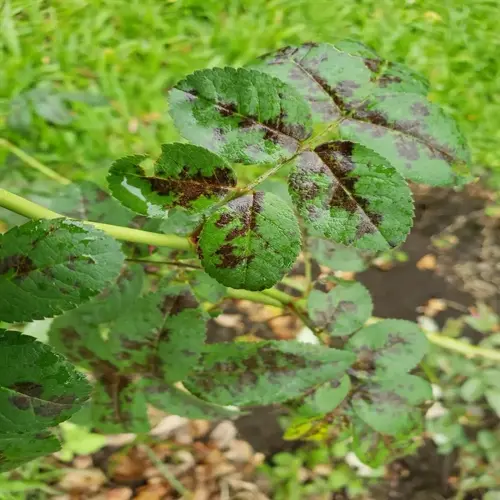

Does tomato blight stay in soil after your plants die? Yes, but it depends on which type hit your garden. Early blight and Septoria both survive in the ground on plant debris. Late blight acts different. It needs living tissue to survive and dies off in most areas over winter.
I learned this lesson after my first bad blight year. I planted tomatoes in the same beds the next spring without any changes. The blight came back within three weeks of transplanting. Those plants never had a chance. The spores were just waiting in the soil for something to infect.
Here's why blight overwinter soil survival happens. Early blight caused by Alternaria and Septoria leaf spot both survive on dead plant parts in the ground. They can live on that debris for 1-2 years at least. Every scrap of infected stem or leaf you leave behind gives them a place to hide until your next tomato plants go in.
Late blight works a different way in your garden. This pathogen can't survive without a living host nearby. In cold winter areas, it dies when the ground freezes hard. But don't celebrate too fast. If you have volunteer potatoes or live in mild areas, it can survive the winter and come back to hit your plants again in spring.
Early Blight and Septoria
- Survival time: These pathogens can overwinter in soil on debris for 1-2 years and return each season you plant.
- Location: They hide on dead leaf and stem fragments left after you pull your plants at season end.
- Spread method: Rain splashes spores from the soil up onto your new plant's lower leaves in spring.
Late Blight
- Survival needs: This pathogen needs living tissue and cannot survive on dead plant parts alone in your garden.
- Winter kill: Hard freezes destroy it in most areas, giving you a fresh start each spring season.
- Exception: Volunteer potatoes and mild climates can keep the pathogen alive through winter months.
What UMD Extension Says
- Hot composting: Temperatures of 120°F (49°C) throughout your pile destroy blight pathogens in debris.
- Regular compost: Your home compost pile may not get hot enough in all spots to kill these organisms.
- Best practice: Don't compost infected plants at home and send them to the landfill instead.
If you want to plant tomatoes after blight hit your beds, you need to wait and plan. Most experts say 3-4 years of rotation works best for your soil to recover. Grow other crops in that spot while the pathogen levels drop in the ground. Don't plant any related crops like peppers or potatoes there either during that time.
My second attempt at those same beds went much better after waiting. I gave them two years and removed every bit of debris I could find in the fall. I also added fresh mulch each spring to create a barrier between the soil and my plants. The blight came back but not until late August when I expected it anyway.
Clean your beds well every fall to reduce the problem for next year. Pull all plants out before the first frost hits your garden. Bag up every bit of infected material you can see. Don't toss it in your compost pile at home. Send it to the trash or your local yard waste site where it gets processed at high heat.
The bottom line for your garden is simple. Early blight and Septoria will wait in the soil for you. Late blight won't unless you have special conditions in your area. Either way, rotation and good cleanup give you the best shot at healthy plants. Give your beds time to recover before you plant tomatoes there again.
Read the full article: Blight on Tomatoes: Complete Prevention Guide