
Introduction
You walk out to check your roses after a week of rain. Dark spots cover the lower leaves. Yellow rings spread around each mark. Your stomach sinks because you know what this means. Black spot on roses has arrived, and it spreads fast. This scene plays out in gardens across the world every spring and summer.
Think of black spot like the common cold for roses. This fungal infection spreads through water droplets and thrives in moisture. It jumps from plant to plant before you see symptoms. The University of Maryland Extension calls it the top rose disease on Earth. Nearly every cultivar can catch this fungus.
I fought black spot in my garden for years before learning what stops it. The key is knowing how Diplocarpon rosae lives and spreads. This fungus needs 6 to 7 hours of wet leaves to infect your plants. It grows best at 72 to 85 degrees Fahrenheit. Once you know these triggers, prevention becomes much easier than cure.
This disease has plagued gardens for ages. Modern research now reveals the exact conditions that cause outbreaks. This guide covers early symptoms and effective treatments. You will learn about resistant varieties worth planting. I will show you which fungicides work and which waste money. Your rose plant health depends on knowing the facts.
Let's start with what black spot looks like so you can catch it early. Early detection makes all the difference in saving your plants.
Identifying Black Spot on Roses
Catching black spot early saves your roses from severe damage. The problem is that many gardeners confuse it with other leaf diseases. I made this mistake with my Knockout roses for an entire season. Learning the exact symptoms helped me start treatment at the right time.
Black spot symptoms follow a clear pattern. Small dark patches appear on lower leaves first. These spots measure 2 to 12mm across and have feathery borders that look like tiny fringes. Yellow halos form around the dark centers. Without treatment, leaves turn yellow and drop within weeks.
Symptoms show up 3 to 16 days after spores land on wet leaves. The fungus produces new spores 10 to 18 days after the first infection. This fast cycle explains why black spot spreads so fast through rose beds.
Early Stage Infection
- Appearance: Small, circular black or dark brown spots appear on upper leaf surfaces, starting on lower foliage closest to the ground where humidity is highest.
- Size: Initial spots measure about 2mm across and may be hard to see during casual garden walks.
- Timing: Visible symptoms emerge within 3 to 16 days after spore contact, based on temperature and moisture during infection.
- Location: Lower leaves get infected first because rain splash carries spores from fallen debris upward onto new growth.
Developing Infection
- Appearance: Spots enlarge and develop feathery or fringed margins that look like fibers extending from the dark center.
- Size: Lesions expand to 6 to 10mm across and may merge together when multiple infections occur on the same leaf.
- Leaf Changes: Yellow halos begin forming around spots as the fungus releases toxins that break down leaf tissue.
- Spore Production: White or gray fuzzy growth may appear in spot centers during humid weather, showing active spore production.
Advanced Infection
- Appearance: Spots reach maximum size of 12mm with yellow spreading across the entire leaf blade.
- Defoliation: Infected leaves drop early, often leaving plants with bare lower branches while new growth stays clean for now.
- Plant Stress: Repeated leaf loss weakens plants by cutting photosynthesis, leading to smaller flowers and reduced vigor.
- Cane Infection: Purple or red raised blotches may develop on young green stems, creating spots where the fungus survives winter.
Distinguishing from Cercospora
- Spot Shape: Black spot lesions have irregular, feathery edges while Cercospora spots are more circular with defined borders.
- Variety Resistance: Knockout roses resist black spot but catch Cercospora easily, making proper diagnosis essential for correct treatment.
- Leaf Drop Pattern: Black spot causes rapid yellowing and leaf drop while Cercospora infected leaves often stay attached longer.
- Spot Center: Black spot lesions remain dark while Cercospora spots may develop tan or gray centers as they age.
Getting the right name for your disease matters. Wrong treatment wastes time and money. If your Knockout roses show spots, check for Cercospora first. I wasted years using the wrong spray before learning this lesson.
What Causes Black Spot
Black spot comes from a fungus called Diplocarpon rosae. This pathogen has plagued rose gardens for centuries. I spent three seasons trying random treatments before learning what makes this fungus tick. Knowing the cause helps you fight it with the right tools.
Think of black spot spores like cold viruses. Rain splash carries them short distances from sick plants to healthy ones. Overhead watering does the same thing. The spores land on leaves and wait for the right conditions to infect.
The fungus overwinters in fallen leaves and stem lesions. Spring rains release stored spores into the air. A single spore can only survive one month without a host plant. This fact explains why fall cleanup matters so much for prevention.
Here is the good news about temperature and black spot. Temps above 85 degrees Fahrenheit stop the fungus. The fungal enzymes that break down leaf tissue stop working in hot weather. Hot summers give your roses a natural break from infection.
Leaves must stay wet for 6 to 7 hours before spores can infect them. Morning watering lets foliage dry before nightfall. Water at night and you invite trouble. This simple change in timing can cut your black spot problems in half.
Effective Treatment Options
Treating black spot takes the right spray at the right time. I wasted two seasons using random products. Then I found out about contact and systemic sprays. This changed my results fast.
Contact fungicides sit on leaf surfaces and protect where you spray. Rain washes them off fast. Systemic fungicides soak into the plant and move through leaves. They keep working after storms. Pick the right type and you get better control.
Studies show chlorothalonil gives the best disease control in trials. Spray it every 7 to 14 days through the season. Miss one week and the fungus can take hold before your next spray.
Winter sprays can delay disease in spring. But they won't protect your roses all season. You still need regular sprays once warm weather hits. Start when new leaves pop out and keep going until fall.
When you first see spots, grab a systemic fungicide like myclobutanil. It stops new infections. Contact sprays work best when leaves look clean. I rotate between types each month to stop the fungus from building resistance.
Organic and Natural Remedies
Not every gardener wants chemicals on their roses. I spent years testing organic black spot treatments because my kids play near the rose beds. Some options work well while others waste your time. Here is what the research shows.
Set real expectations from the start. Most natural remedies don't match synthetic sprays for control. They need more sprays and may not stop bad outbreaks. But for mild disease, they can keep your roses looking good.
Neem Oil Treatment
- Effectiveness: University of Wisconsin confirms neem oil gives some black spot control, though results lag behind synthetic options.
- How It Works: Neem oil stops fungal cell membranes from forming and blocks spore growth on leaf surfaces.
- Application Rate: Mix 2 tablespoons per gallon of water with a few drops of dish soap to help it spread.
- Application Timing: Spray each week during wet weather. Do it early morning or evening to avoid leaf burn.
- Limitations: Needs full leaf coverage and more sprays than synthetics. Heavy rain means you spray again.
Potassium Bicarbonate
- Effectiveness: Over 200 studies at universities prove this works against fungal diseases like black spot.
- How It Works: Raises the pH on leaf surfaces so spores can't grow. Works faster than baking soda.
- Application Rate: Follow label rates on the product. Most call for 1 to 2 tablespoons per gallon of water.
- Advantages: Safe for bees and other helpful bugs. Leaves no harmful residue on plants or in soil.
- Availability: Find it at garden stores under brand names made for plant disease control.
Baking Soda Solutions
- Effectiveness: Dr. Linda Chalker-Scott from Washington State says baking soda alone gives limited results.
- Improved Formula: Cornell found mixing 1 tablespoon baking soda with 2.5 tablespoons oil per gallon works better.
- How It Works: Makes leaf surfaces too alkaline for fungal spores. The oil helps it stick to waxy leaves.
- Cautions: May burn leaves in hot weather. Test on a few leaves first. Skip it above 80 degrees Fahrenheit.
- Realistic Expectations: Use this as a backup treatment, not your main defense against black spot.
Copper-Based Organic Sprays
- Effectiveness: Copper fungicides carry organic approval and give decent black spot control when used early.
- How It Works: Copper ions mess up many processes in fungal cells. This gives wide protection.
- Types Available: Copper sulfate, copper hydroxide, and copper octanoate all work. Pick what you can find.
- Application Cautions: Copper builds up in soil over years. Follow label rates. Some roses get bronze leaves.
- Best Use: Works best as a preventive before disease gets bad. Pair it with good garden practices.
Milk Spray Solutions
- Effectiveness: Some gardeners swear by milk sprays, but research on black spot is limited.
- Proposed Mechanism: Milk proteins may boost plant defenses. Sunlight may give it germ killing power.
- Typical Recipe: Mix 1 part whole milk to 9 parts water. Spray each week when disease pressure builds.
- Practical Considerations: Fresh milk can spoil and draw pests. White residue may show on leaves.
- Recommendation: Try it as part of a full plan, not as your only weapon against black spot.
I use neem oil and potassium bicarbonate on my roses now. They keep light infections under control. When disease gets bad, I switch to synthetics for a season, then go back to organic methods once things calm down.
Prevention Strategies
Stopping black spot before it starts saves you time and money. I learned this the hard way after years of chasing infections with sprays. Prevention works better because by the time you see spots, spores have spread for 10 to 18 days already.
The fungus survives in fallen leaves and stem wounds. It waits all winter for spring rains to splash spores onto new growth. Breaking this cycle means less disease next year. Good garden hygiene beats any spray bottle.
Fall Cleanup Protocol
- Leaf Removal: Rake and bag all fallen rose leaves. The fungus hides in this debris and wakes up when spring rains hit.
- Cane Inspection: Look for purple or red raised spots on stems. Cut these canes 6 to 8 inches below the marks.
- Sanitation: Wipe your pruners with rubbing alcohol between cuts. Dirty tools spread spores from plant to plant.
- Mulch Replacement: Pull out old mulch that may hold infected leaves. Put down fresh mulch before winter.
- Disposal Method: Bag sick leaves for trash pickup. Home compost piles don't get hot enough to kill spores.
Spring Preparation
- Early Inspection: Check lower leaves each week as new growth comes out. Catching spots early limits spread.
- Preventive Spraying: Start fungicide when leaves are half open. Don't wait for symptoms to begin.
- Spacing Assessment: Look at how close your roses grow. Crowded plants trap moisture and spread disease fast.
- Pruning for Airflow: Cut out branches that cross or grow inward. Air flow helps leaves dry fast.
- Mulch Application: Add 2 to 3 inches of fresh mulch. This stops soil from splashing spores onto leaves.
Growing Season Practices
- Watering Timing: Water roses in the morning so leaves dry before dark. Wet leaves at night invite infection.
- Watering Method: Use drip lines or soaker hoses at the base. Skip the sprinklers that wet the foliage.
- Regular Monitoring: Walk through your roses once a week. Look for new spots on lower leaves first.
- Immediate Removal: Pick off spotted leaves right away. Don't wait until your weekend garden session.
- Continued Applications: Keep up with fungicide every 7 to 14 days. One skipped spray can let disease in.
Environmental Modification
- Sun Exposure: Plant roses where they get at least 6 hours of direct sun. Sunlight dries leaves fast.
- Air Movement: Keep roses away from solid fences or walls. Good airflow helps foliage dry after rain.
- Plant Selection: Watch what you plant nearby. Dense bushes trap humidity around your roses.
- Raised Beds: Growing roses higher improves drainage and air flow around the base of plants.
- Site Assessment: If black spot keeps coming back, your spot may be too shady or cramped for roses.
I cut my black spot problems by 80% with these steps. The fall cleanup matters most. One season of good hygiene breaks the disease cycle for the next year. Your roses will thank you with healthy leaves and more blooms.
Resistant Rose Varieties
The right rose variety solves most black spot problems before they start. I tested resistant roses for five years in my own garden. After planting disease resistant roses, your fungicide use drops fast.
Penn State Extension says your hybrid teas and polyanthas will catch black spot fast. You should try rugosa hybrids, moss roses, or shrub roses instead. Your variety choice matters more than any spray program.
Keep one warning in mind about resistant varieties. The RHS notes your resistance may fade over time. The fungus can adapt. But you still get less spraying and healthier plants for years.
Knockout Series Roses
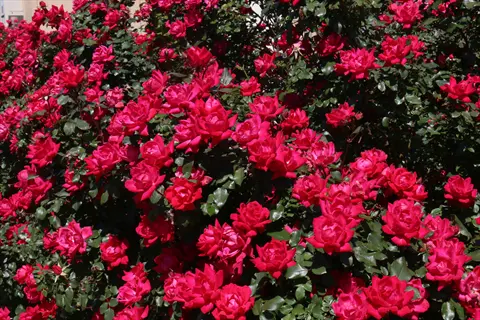
- Disease Resistance: University of Florida confirms Knockout roses resist black spot well and need little to no fungicide in most gardens.
- Growth Habit: Compact shrubs reach 3 to 4 feet tall and wide. They fit borders, mass plantings, and foundation beds.
- Bloom Pattern: Flowers keep coming from spring through fall. No need to deadhead for repeat blooms.
- Color Options: Get them in red, pink, coral, yellow, and white. All colors share the same disease resistance.
- Climate Tolerance: Hardy in USDA zones 5 through 9. They handle heat, humidity, and drought better than hybrid teas.
- Important Note: Knockouts resist black spot but can catch Cercospora leaf spot. Check your diagnosis before treating.
Carefree Beauty Rose
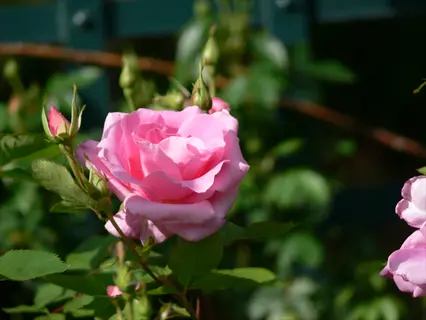
- Disease Resistance: Iowa State and Missouri Botanical Garden both list this as a top pick for black spot resistance.
- Flower Characteristics: Pink double blooms with light scent appear all season with little care needed.
- Size and Form: Grows 4 to 5 feet tall and 3 to 4 feet wide. Works great as a specimen or hedge.
- Hardiness: Survives down to zone 4 winters at minus 30 degrees Fahrenheit. Few roses match this cold tolerance.
- Maintenance Level: Bred for easy care. Skip the fancy pruning and heavy spray schedules.
- Landscape Uses: Looks great in mixed borders, cottage gardens, and natural plantings.
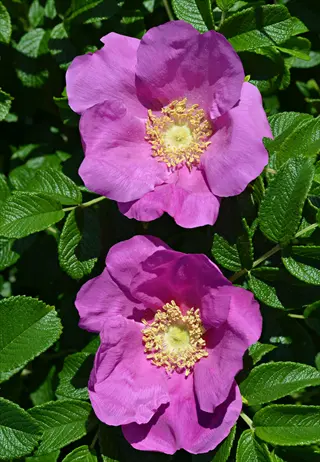
Rugosa Rose Hybrids
- Disease Resistance: Penn State says rugosa types rank among the most resistant roses. Most never need fungicide.
- Distinctive Features: Wrinkled leaves set these apart. The thick texture blocks fungal spores better than smooth leaves.
- Bloom and Hips: Fragrant flowers give way to big rose hips. Birds love them in winter.
- Tough Conditions: Handles sand, salt spray, and coastal weather. Great for tough spots.
- Cold Hardiness: Most survive zone 3 at minus 40 degrees Fahrenheit. Perfect for northern gardens.
- Popular Varieties: Look for Hansa, Blanc Double de Coubert, and Therese Bugnet at nurseries.
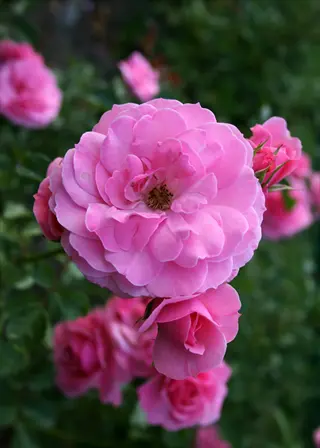
Bonica Shrub Rose
- Disease Resistance: Missouri Botanical Garden lists Bonica as a solid choice for gardens using few chemicals.
- Award Recognition: First shrub rose to win the AARS award in 1987 for disease resistance and garden looks.
- Flower Production: Light pink double blooms in clusters from early summer through fall.
- Growth Characteristics: Reaches 3 to 5 feet in height and width. Arching stems cascade over walls.
- Winter Performance: Hardy to zone 4. Produces orange red hips that add winter interest.
- Versatility: Use in mass plantings, hedges, or mixed borders where low care matters.
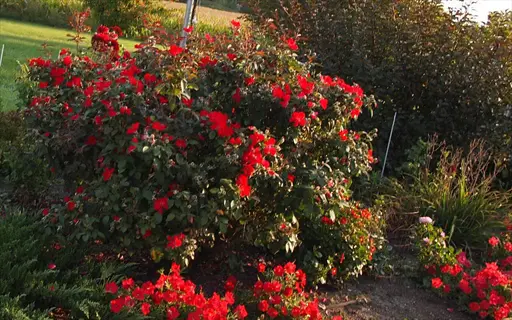
HomeRun Rose
- Disease Resistance: University of Florida finds HomeRun matches its Knockout parent for black spot resistance.
- Breeding Background: Developed as an improved Knockout with better flower form and more petals.
- Compact Size: Stays at 2 to 3 feet tall and wide. Great for small gardens and containers.
- Self-Cleaning: Spent flowers drop on their own. The plant stays tidy without your help.
- Heat Tolerance: Keeps blooming through hot summers when black spot pressure runs high.
- Color Range: Find it in red, pink, and coral. All types share the disease resistance.
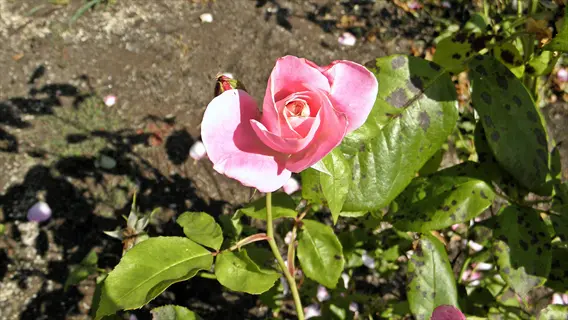
Simplicity Hedge Rose
- Disease Resistance: Iowa State includes Simplicity on its list of black spot resistant varieties for the Midwest.
- Hedging Purpose: Bred to grow uniform at 4 to 5 feet. Makes great flowering barriers.
- Bloom Characteristics: Pink flowers in clusters all season. Fragrant blooms draw pollinators.
- Low Maintenance: Sold as a no spray, no prune rose. Light shaping keeps the hedge form.
- Spacing Guidance: Plant 2 to 3 feet apart for a dense screen with good air flow.
- Color Varieties: Also comes in white, red, purple, and yellow with similar resistance.
I swapped my worst hybrid teas for Knockout and Carefree Beauty roses. What a change. These plants stay green and lush all summer. My old roses were half bare by August. You can't beat resistant varieties for long term black spot control.
5 Common Myths
Black spot fungus lives in the soil and infects roses through their roots, making soil treatment necessary for control.
Black spot does not persist in soil. The fungus overwinters in fallen leaves and infected canes, surviving for a maximum of one month on debris. Clean up fallen foliage rather than treating soil.
Once a rose gets black spot, it will always have the disease and can never fully recover to healthy growth.
Roses can fully recover from black spot with proper treatment. Consistent fungicide applications, removal of infected material, and good cultural practices restore plant health within one growing season.
Disease-resistant rose varieties are immune to black spot and will never develop symptoms regardless of growing conditions.
Resistant varieties are less susceptible but not immune. The fungus adapts over time, and even resistant roses may develop symptoms under severe disease pressure or poor growing conditions.
Watering roses in the evening is fine since the cool temperatures help prevent heat stress on the plants.
Evening watering leaves foliage wet overnight, creating ideal conditions for black spot infection. Water in the morning so leaves dry quickly, and avoid overhead irrigation when possible.
Stronger fungicide concentrations work faster and provide better protection against black spot than the labeled rate.
Using more than the labeled rate does not improve control and can damage plants. Follow label directions exactly, as fungicides are tested and formulated for optimal effectiveness at specific concentrations.
Conclusion
Black spot management comes down to three core steps: catch it early, treat it right, and prevent it from coming back. You now know the symptoms to watch for and the products that work. Most gardens can beat this disease with steady effort over time.
Keep the key numbers in mind. The fungus thrives between 72 and 85 degrees Fahrenheit when leaves stay wet for 6 to 7 hours. Watch weather forecasts and spray before these conditions hit. This simple habit cuts infections in half for most gardeners.
I turned my rose garden around in two seasons using these methods. I planted Knockout and Carefree Beauty roses first. These plants shrug off disease that would strip leaves from hybrid teas. Your variety choice sets the tone for everything else you do in rose disease control.
Even gardens with bad black spot can recover. Do a thorough fall cleanup every year. Keep up with fungicide sprays and water at the roots each morning. Add a few resistant roses to your collection over time.
The best rose gardeners combine all three parts of this plan. They pick resistant varieties, follow good cultural habits, and treat when needed. Within a year or two, you will see healthy leaves and more blooms than ever before. Your roses can thrive again with the right approach.
External Sources
Frequently Asked Questions
How do you treat black spot on roses?
Treat black spot by removing infected leaves, improving air circulation, and applying fungicides every 7-14 days. Both chemical options like chlorothalonil and organic treatments like neem oil can be effective.
Can roses recover from a black spot?
Yes, roses can recover from black spot with proper treatment and care. Consistent fungicide applications, removal of infected material, and improved growing conditions help plants regain health.
Does black spot disease spread?
Black spot spreads through water splashing spores from infected leaves to healthy foliage. Rain and overhead irrigation are primary vectors for disease transmission.
Should I cut off leaves with black spots?
Yes, promptly remove leaves showing black spot symptoms. Dispose of infected foliage away from the garden to prevent spore spread and reinfection.
Does black spot live in the soil?
Black spot fungus does not persist in soil. It overwinters in fallen leaves and infected canes on or near the plant, surviving for up to one month on debris.
Is Epsom salt good for black spots on roses?
Epsom salt does not treat or prevent black spot. It provides magnesium to plants but has no fungicidal properties against the Diplocarpon rosae pathogen.
Is black spot worse in spring or fall?
Black spot is typically worse in spring when cool, moist conditions favor spore germination and spread. Temperatures above 85 degrees Fahrenheit in summer inhibit disease development.
Can you spray baking soda on roses for black spot?
Baking soda solutions may provide limited black spot control. Research suggests combining baking soda with horticultural oil improves effectiveness compared to baking soda alone.
When should I spray my roses for black spot?
Begin spraying preventively in early spring before symptoms appear. Continue applications every 7-14 days throughout the growing season when conditions favor disease.
Can black spots go away on their own?
Black spots on rose leaves do not heal or disappear. Infected leaves eventually yellow and drop. The plant produces new healthy growth when conditions improve and disease pressure decreases.