
Introduction
You walk outside to check your tomatoes and spot clusters of tiny green bugs covering the stems. Your heart sinks. Aphids on plants strike fear into gardeners everywhere. But take a breath. These common plant pests look scary in large numbers. Yet most never harm your garden.
I've battled aphids for over 15 years in my vegetable gardens. The first time I found them on my prize roses, I panicked. I grabbed every chemical I could find. That was the wrong move. Today I handle aphid infestations with calm confidence. You can too.
Here's what makes aphids so alarming. Each adult female produces up to 80 offspring in a single week. UC IPM research confirms this staggering rate. They don't need males to reproduce. One aphid becomes thousands fast. These tiny vampires drink plant sap through straw shaped mouthparts.
But here's what most garden pest control guides miss. Research from UMN reveals a surprise. Most aphid problems need no treatment at all. Healthy plants handle these soft bodied insects just fine. Natural predators often fix things faster than any spray.
This guide covers smart aphid management. You'll learn to spot them and know when action matters. You'll pick the right control methods for your garden. Let's turn your aphid worry into confidence.
How to Identify Aphids on Plants
Knowing how to identify aphids saves you from treating the wrong pest. When I started gardening, I sprayed my whole garden for spider mites when aphids caused the real problem. UW Madison counts about 1,350 aphid species in North America. The green peach aphid attacks over 500 different plants. All aphids share features that make them easy to spot.
Picture a tiny pear shaped body about the size of a pinhead. These soft bodied insects range from bright green to black, yellow, pink, or white. The key identifier sits at their rear end. Two small tubes called cornicles stick out like twin tailpipes. No other common garden pest has these.
You might confuse aphids with spider mites or whiteflies. All three pests cluster on leaf undersides. But the differences matter for choosing your treatment. The table below shows you how to tell them apart.
Check your plants twice weekly during spring and early summer. Flip leaves over and inspect new growth tips. Aphids love tender young tissue. In my experience, catching them early makes control much easier.
10 Natural Ways to Control Aphids
Natural aphid control works better than most people think. I've tested every method on this list in my own garden. PMC research backs up what I've seen firsthand. Ground dwelling predators alone can reduce aphid numbers by up to 80%. That's without spraying anything.
The key is using the right method for your situation. Light infestations need gentle approaches. Heavy attacks call for stronger measures. Think of it as a ladder of options from mild to strong. Start at the bottom and climb up if needed.
Here are 10 proven methods for organic aphid control. Each one tells you when it works best and what results to expect.
Strong Water Spray
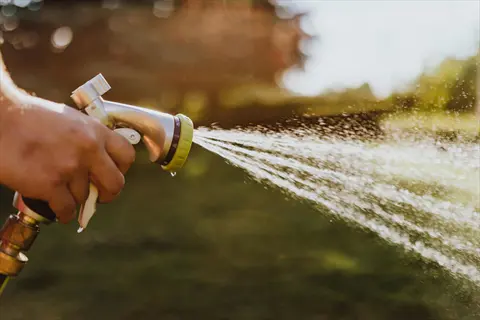
- How It Works: A forceful stream of water knocks aphids off plants and damages their delicate feeding mouthparts. This prevents them from reattaching to your plants.
- Effectiveness: Removes 70 to 90% of aphids right away. Survivors may return within days. Repeat the spray every two to three days.
- Best For: Light to moderate infestations on sturdy plants like roses, tomatoes, and fruit trees that can handle water pressure without stem damage.
- Application Tip: Spray early morning so foliage dries before evening to prevent fungal diseases. Target leaf undersides where aphids cluster most.
- Limitations: Not suitable for delicate seedlings, plants with fuzzy leaves, or during active flower bloom when water spray damages pollination.
- Cost: Free using garden hose with spray nozzle attachment. This makes it the most economical first line defense against aphid populations.
Insecticidal Soap
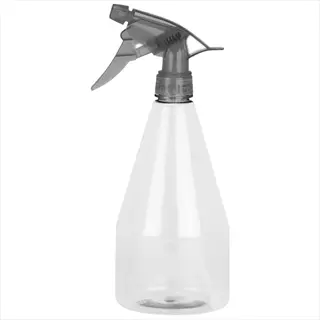
- How It Works: Fatty acid salts break through the waxy coating on soft bodied insects. This causes cell membrane disruption and rapid dehydration within hours.
- Effectiveness: Kills aphids on direct contact with 90 to 95% mortality rates. The soap has no residual action so you must contact the pest direct.
- Best For: Vegetable gardens and edible crops. The soap breaks down fast and leaves no harmful residues on produce you harvest within days.
- Application Tip: Coat all leaf surfaces with thorough coverage on undersides. Repeat every five to seven days for three applications to catch fresh nymphs.
- Limitations: Can damage sensitive plants like ferns, some succulents, and plants with hairy leaves. Test on small area first and avoid midday heat.
- Cost: Commercial products cost between eight and fifteen dollars per ready to use bottle. You can make your own with pure castile soap at lower cost.
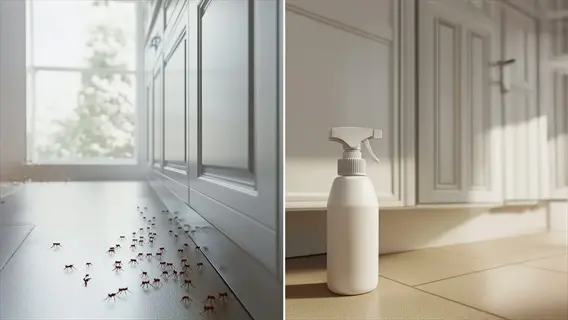
Neem Oil Treatment
- How It Works: Azadirachtin compound disrupts aphid hormone systems. This prevents molting and reproduction while the oil suffocates adults on contact.
- Effectiveness: Reduces aphid populations by 80 to 90% over two weeks. You get both contact kill and anti feeding effects lasting several days.
- Best For: Preventive applications and moderate infestations. Use neem oil when you want longer lasting protection without synthetic chemicals on ornamental plants.
- Application Tip: Mix according to label directions and apply in evening to avoid leaf burn. Reapply weekly during active infestations or biweekly for prevention.
- Limitations: Strong odor may bother you. Not effective below 45°F (7°C). Some formulations harm beneficial insects if applied during bloom.
- Cost: Concentrated neem oil costs fifteen to twenty five dollars. It dilutes to make several gallons and offers good value for season long protection.
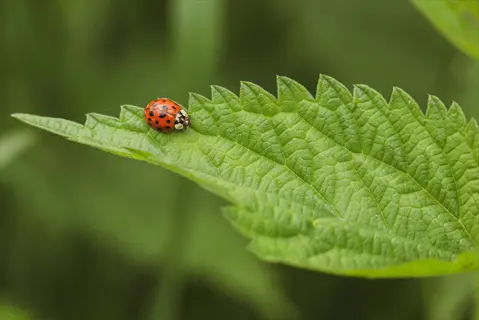
Ladybug Introduction
- How It Works: Adult ladybugs consume 50 to 60 aphids daily. Their larvae eat even more with up to 400 aphids before pupating into adults.
- Effectiveness: Research shows variable results. Purchased ladybugs often fly away within 48 hours. Those that stay provide excellent ongoing control.
- Best For: Enclosed spaces like greenhouses where ladybugs cannot escape. Also works in gardens with abundant pollen sources that encourage them to stay.
- Application Tip: Release at dusk after misting plants with water. Ladybugs do not fly at night and will begin feeding right away before dispersing.
- Limitations: Most released ladybugs disperse within days no matter how many aphids exist. Repeated purchases get expensive compared to attracting natives.
- Cost: About 1,500 ladybugs cost ten to fifteen dollars. Multiple releases may be needed making this less economical than habitat improvement.
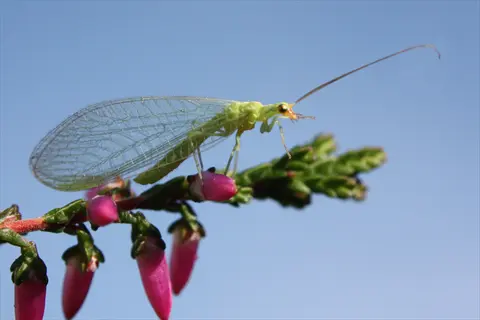
Lacewing Larvae
- How It Works: Lacewing larvae called aphid lions possess large sickle shaped jaws that pierce aphids. They drain body fluids and consume 200 aphids weekly.
- Effectiveness: More reliable than ladybugs. Flightless larvae remain on plants until pupation. You get consistent predation for two to three weeks after release.
- Best For: Serious infestations requiring guaranteed predator presence. Works best in vegetable gardens and greenhouses where containment improves establishment success.
- Application Tip: Distribute larvae onto infested plants in evening. Provide water mist and avoid pesticide applications for at least two weeks after release.
- Limitations: Adults do not eat aphids and will fly away. Continuous control requires multiple releases or creating habitat to support breeding populations.
- Cost: Lacewing eggs or larvae cost twenty to thirty dollars for 1,000 units. More expensive than ladybugs but with higher reliability for establishment.
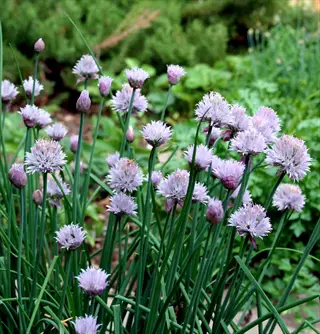
Companion Planting
- How It Works: Strong scented plants release volatile compounds that mask host plant odors. This confuses aphids and prevents them from locating preferred targets.
- Effectiveness: PMC research confirms garlic intercropping delayed green peach aphid colonization. It also reduced virus transmission in field studies with measurable impact.
- Best For: Prevention focused gardeners who want long term solutions integrated into garden design rather than reactive treatments after problems develop.
- Application Tip: Plant garlic, chives, or onions throughout vegetable beds spacing them every two to three feet. Include flowering herbs to attract beneficial insects.
- Limitations: Companion planting reduces aphids but rarely eliminates them. It works best as part of an integrated approach alongside other control methods.
- Cost: Seed or transplant costs are minimal. Under ten dollars covers an entire garden bed with ongoing benefits season after season.
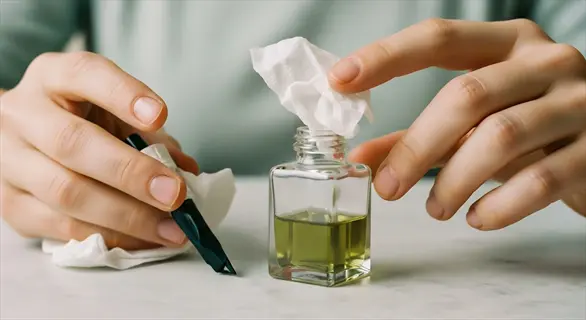
Horticultural Oil Spray
- How It Works: Refined petroleum or plant based oils coat aphids and their eggs. This blocks breathing pores and causes death by suffocation within hours.
- Effectiveness: Dormant season applications eliminate 90% of overwintering eggs. Growing season applications kill active aphids on contact with good coverage.
- Best For: Fruit trees and woody ornamentals. Dormant season treatment prevents spring infestations before they start by breaking the annual cycle.
- Application Tip: Apply dormant oil in late winter before bud break. Use summer weight formulations during growing season avoiding temperatures above 85°F (29°C).
- Limitations: Oil can damage plant tissues in extreme temperatures or on drought stressed plants. Some species like blue spruce show oil sensitivity.
- Cost: Concentrated horticultural oil costs twelve to twenty dollars. It makes many gallons and offers economical season long protection for orchards and landscapes.
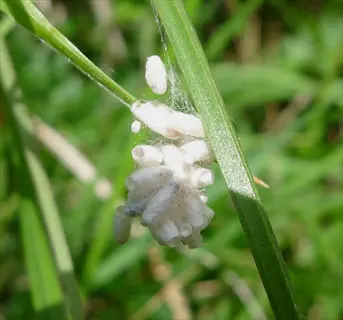
Attract Parasitic Wasps
- How It Works: Tiny parasitic wasps inject eggs inside aphids. Developing larvae consume the host from within and leave distinctive brown aphid mummies behind.
- Effectiveness: Field studies document parasitism rates up to 48%. Established wasp populations provide ongoing biological control without human intervention.
- Best For: Long term sustainable gardens where habitat supports beneficial insect populations year after year rather than relying on purchased releases.
- Application Tip: Plant small flowered herbs like dill, fennel, and yarrow that provide nectar for adult wasps. Leave some aphids as hosts to maintain wasp populations.
- Limitations: Takes weeks to establish effective populations. Broad spectrum insecticides eliminate these beneficial allies along with target pests.
- Cost: Free when you create appropriate habitat. Purchase parasitic wasp releases for twenty to forty dollars to jumpstart populations in new gardens.
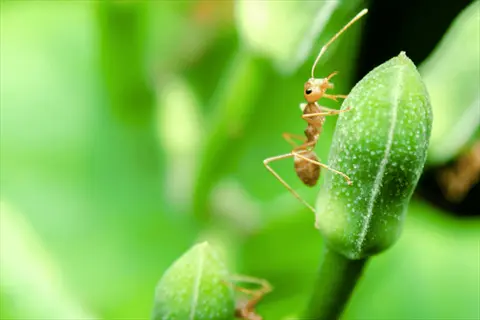
Ant Control Strategy
- How It Works: Ants protect aphid colonies from predators and move aphids to new plants in exchange for honeydew. Controlling ants removes this protection.
- Effectiveness: Removing ant protection allows natural predators to reduce aphid populations within one to two weeks of intervention.
- Best For: Gardens where you notice ants tending aphid colonies on stems and leaves. This indicates a mutualistic relationship that sustains the infestation.
- Application Tip: Apply sticky barriers like Tanglefoot around tree trunks. Use bait stations near nests and prune branches touching structures that provide ant bridges.
- Limitations: Does not kill aphids direct. Only removes their protectors. Combine with other methods for complete control in severe infestations.
- Cost: Sticky barriers cost eight to fifteen dollars per tube. Ant bait stations cost ten to twenty dollars and provide lasting protection with minimal reapplication.
Reflective Mulch Barriers
- How It Works: Silver or aluminum reflective mulch disorients flying aphids. It reflects skylight upward and confuses their navigation to reduce landing on plants.
- Effectiveness: UC IPM research confirms reflective mulches cut aphid transmitted virus diseases. This proves valuable in vegetable production systems.
- Best For: Vegetable gardens growing peppers, tomatoes, and squash where preventing virus transmission matters more than controlling aphid numbers alone.
- Application Tip: Lay reflective mulch before planting and cut holes for transplants. Ensure at least 50% of bed surface reflects light for maximum effectiveness.
- Limitations: More expensive than organic mulches. Degrades over one to two seasons. Heat reflection may stress some crops in hot climates requiring afternoon shade.
- Cost: Reflective mulch costs fifteen to thirty dollars per 50 foot (15 meter) roll. Economical for high value vegetable beds where virus prevention matters most.
Common Aphid Species and Host Plants
Aphid species go after certain plants. When I first started gardening, I thought all aphids behaved the same. I was wrong. Knowing which species you have helps you take targeted action for better results.
The green peach aphid attacks over 500 different host plants. That makes it the most common pest you'll encounter. Meanwhile the cabbage aphid sticks to brassicas but can complete up to 15 generations in a single season. Each species has unique behaviors worth knowing.
Here are the 6 most common garden aphids. Match yours to find the best control approach for your situation.
Green Peach Aphid
- Scientific Name: Myzus persicae is one of the most widespread and problematic aphid species, attacking over 500 different host plants across multiple plant families.
- Appearance: Small yellow green to pale green body measuring about 2mm, with adults developing wings when populations become crowded or host quality declines.
- Preferred Hosts: Peaches and stone fruits for overwintering, then migrates to vegetables including peppers, tomatoes, lettuce, spinach, and many ornamental flowers.
- Damage Pattern: Causes leaf curling, transmits over 100 plant viruses including cucumber mosaic and potato virus Y, making it a major concern.
- Best Control: Reflective mulches reduce virus transmission by 70%, combined with insecticidal soap applications and encouraging parasitic wasp populations.
Cabbage Aphid
- Scientific Name: Brevicoryne brassicae feeds only on brassica family crops. It can complete up to 15 generations per growing season in favorable conditions.
- Appearance: Gray green body covered with distinctive waxy powder giving a dusty appearance. Forms dense colonies on leaves and developing flower buds.
- Preferred Hosts: All brassica crops including cabbage, broccoli, cauliflower, kale, Brussels sprouts, collards, and related ornamentals like flowering kale.
- Damage Pattern: Causes severe leaf curling and plant stunting. Contaminates harvested heads with waxy residue and transmits turnip mosaic virus.
- Best Control: Row covers before infestation, removal of crop residues after harvest, and strong water sprays that penetrate the waxy colonies.
Black Bean Aphid
- Scientific Name: Aphis fabae attacks a wide range of legumes and ornamentals. It forms dense black colonies on stems and leaf undersides of susceptible plants.
- Appearance: Shiny black to dark brown body about 2mm long. Often appears in massive clusters that coat young stems and growing points.
- Preferred Hosts: Broad beans, runner beans, French beans, spinach, chard, and ornamentals including dahlias, nasturtiums, and euonymus shrubs.
- Damage Pattern: Severe stunting of bean crops, reduced yields, distorted growth, and transmission of bean common mosaic virus and other pathogens.
- Best Control: PMC research shows basil and savory companion plants reduce black bean aphid populations on nearby fava beans.
Rose Aphid
- Scientific Name: Macrosiphum rosae targets rose family plants. It appears in spring just as new growth emerges on both garden roses and wild species.
- Appearance: Large green or pink aphid measuring 3 to 4mm with long legs and cornicles. Often forms loose colonies on tender new growth and flower buds.
- Preferred Hosts: All rose varieties including hybrid teas, floribundas, climbers, shrub roses, and wild roses. Sometimes moves to apple and pear trees.
- Damage Pattern: Distorts new growth and developing flower buds. Causes sticky honeydew dripping onto leaves below and attracts sooty mold growth.
- Best Control: Strong water spray in early morning. Encourage ladybugs and lacewings that consume rose aphids fast. Prune heavy infested growth.
Woolly Apple Aphid
- Scientific Name: Eriosoma lanigerum produces waxy white filaments that create a distinctive cotton like covering over colonies on apple trees and related plants.
- Appearance: Reddish brown body hidden beneath white waxy threads. Colonies appear as white fluffy masses on branches, trunks, and exposed roots.
- Preferred Hosts: Apple trees first, also attacks pear, hawthorn, cotoneaster, and pyracantha. Colonizes both above ground wood and underground roots.
- Damage Pattern: Creates galls and swellings on roots and branches that weaken trees. Provides entry points for canker diseases and reduces fruit production.
- Best Control: Dormant oil sprays in late winter smother overwintering colonies. Scrubbing visible colonies with brush removes waxy protection. Parasitic wasps help.
Oleander Aphid
- Scientific Name: Aphis nerii is a bright yellow aphid with black legs and cornicles. It forms striking colonies on milkweed and oleander plants.
- Appearance: Brilliant yellow to orange body about 2mm long with contrasting black appendages. You can spot them from their bright coloration on host plants.
- Preferred Hosts: Oleander shrubs, all milkweed species including tropical and common milkweed, and wax plants and periwinkle in warm climates.
- Damage Pattern: Heavy infestations stunt milkweed growth affecting monarch butterfly habitat. Sticky honeydew coats leaves and large populations reduce plant vigor.
- Best Control: Strong water spray is most common approach. Many gardeners tolerate populations since oleander aphids rarely cause permanent plant damage.
Prevention Strategies That Work
Prevention beats treatment every time. I learned this lesson after years of chasing aphid problems with sprays. Now I build prevention into my garden from the start. You save time and money when you stop problems before they happen.
Most gardeners skip prevention because they don't know it works. But the research backs it up. PMC studies show ground dwelling predators alone can cut aphid numbers by 80%. That happens without you lifting a finger once you create the right conditions.
Here are 5 prevention strategies that make a real difference. Each one helps you build a garden that resists aphid problems year after year.
Manage Nitrogen Fertilizer
- Why It Matters: Excess nitrogen produces soft lush growth with high amino acid levels in plant sap. Aphids prefer this and it speeds their reproduction rates.
- UC IPM Guidance: Never apply more nitrogen than plants need. Over fertilized plants become aphid magnets no matter what other prevention efforts you make.
- Slow Release Alternative: Use slow release organic fertilizers like compost, aged manure, or coated granular products that provide steady nutrition without growth flushes.
- Soil Testing Value: Annual soil tests reveal actual nitrogen needs. Most home gardens have accumulated excess nutrients from years of over application.
- Timing Matters: Avoid high nitrogen applications in spring when aphid populations build. Time heavier feeding for fall when pest pressure drops.
- Practical Approach: If aphids attack despite other measures, reduce fertilizer rates by half and monitor whether plant health improves with lower pest pressure.
Plant Strong Scented Companions
- Research Foundation: PMC study confirms allium family plants release high sulfur volatile compounds that mask host plant scents and delay aphid colonization.
- Best Companion Choices: Garlic, chives, onions, and leeks planted throughout vegetable beds create a scent barrier that confuses aphids seeking their preferred hosts.
- How Scent Masking Works: Chive odor sticks to nearby sweet pepper leaves. This makes peppers smell like chives and prevents aphids from identifying them as suitable hosts.
- Flowering Companions: Include phacelia, yarrow, dill, and fennel to attract hoverflies. Their larvae consume 400 aphids before pupating into pollen feeding adults.
- Garden Design Integration: Space companion plants every 2 to 3 feet (0.6 to 0.9 meters) throughout beds rather than isolating them in separate areas for maximum benefit.
- Multi Year Benefit: Perennial companions like chives return each year providing ongoing protection without replanting. Effectiveness improves as clumps expand over time.
Encourage Natural Predator Habitat
- Research Impact: PMC studies show ground dwelling predators alone can reduce aphid populations by up to 80% when habitat supports varied beneficial insect communities.
- Ground Cover Strategy: Maintain mulched areas, leave some leaf litter, and include low groundcover plants that shelter ground beetles and other aphid predators year round.
- Overwintering Habitat: Leave hollow stems standing through winter, provide brush piles, and avoid excessive fall cleanup that removes beneficial insect overwintering sites.
- Native Plant Inclusion: Native flowering plants support native beneficial insects adapted to your local climate better than exotic ornamentals that may not provide appropriate resources.
- Reduce Pesticide Use: Broad spectrum pesticides kill natural enemies that would control aphids. This often causes worse infestations after beneficial populations crash.
- Patience Required: Building beneficial insect populations takes two to three seasons of habitat improvement before you see dramatic differences in natural pest control.
Monitor Plants Twice Weekly
- UC IPM Recommendation: Check plants at least twice weekly when growing fast. Inspect leaf undersides and new growth tips where aphids establish first.
- Early Detection Advantage: Finding aphids when only a few dozen exist allows simple control with water spray. Waiting means exponential population growth requiring stronger measures.
- What To Look For: Clusters of small soft bodied insects, sticky honeydew residue, curled or yellowing new leaves, and ants tending colonies on stems.
- High Risk Timing: Monitor most in spring as temperatures warm between 65 to 80°F (18 to 27°C) when aphid reproduction accelerates fast.
- Record Keeping Value: Note when aphids first appear each year and on which plants. This knowledge helps time preventive measures better in future seasons.
- Threshold Thinking: Small populations on healthy plants rarely cause damage. Avoid treating unless numbers grow fast or plant health drops.
Use Physical Barriers
- Row Cover Protection: Lightweight floating row covers exclude aphids while allowing light and water through. Ideal for vulnerable seedlings and transplants.
- Timing Is Critical: Install row covers right after planting before any aphids arrive. Barriers cannot remove existing populations once established inside.
- Removal For Pollination: Remove covers when plants need pollination for fruit set. Or use covers only on crops like lettuce and greens that do not require insect pollination.
- Reflective Mulch Benefits: Silver or aluminum reflective mulches disorient flying aphids and reduce landing rates. Works well for vegetable transplants during establishment.
- Cost Benefit Analysis: Row covers cost more upfront but eliminate need for any pesticide applications. They pay for themselves in one season for high value crops.
- Combination Approach: Use physical barriers during high risk spring establishment period. Then remove and rely on beneficial insects for summer protection.
When to Use Chemical Treatments
Chemical treatments should be your last option. When I started gardening, I grabbed sprays at the first sign of bugs. That was a mistake. Most aphid problems fix themselves when you let natural predators do their job.
But sometimes you need stronger action. Big infestations can push plants past recovery. Plants close to harvest may need quick help. The key is knowing when chemicals make sense versus when patience wins.
This decision guide helps you choose the right approach. Match your situation to find the best response. Always start with the gentlest option and work up from there.
Systemic products raise concerns. They move through plant tissue into leaves and flowers. They can end up in pollen and nectar that bees collect. Use them only as a last resort and never on flowering plants.
5 Common Myths
All aphid infestations require immediate chemical treatment to save plants from certain death and crop loss.
Most aphid infestations cause minimal damage and university research shows treatment is often unnecessary as natural predators typically restore balance within weeks.
Ladybugs purchased from garden stores will stay in your garden and permanently solve aphid problems.
Released ladybugs typically fly away within days seeking better habitat, so attracting native beneficial insects through companion planting proves more effective long-term.
Dish soap from your kitchen is always safe to use as homemade aphid spray on any plant.
Kitchen dish soaps contain degreasers and additives that damage plant tissues, so pure castile soap or commercial insecticidal soap formulated for plants works better.
Aphids only attack weak or unhealthy plants that are already stressed or nutrient deficient.
Aphids actually prefer fast-growing plants with high nitrogen levels, which is why over-fertilized healthy plants often experience worse infestations than stressed ones.
Once you eliminate aphids from your garden they will never return if you maintain clean growing conditions.
Winged aphids migrate constantly between gardens, and populations can rebuild within weeks, making ongoing monitoring and prevention essential regardless of past success.
Conclusion
Aphids no longer need to cause panic in your garden. You now have the knowledge to handle them with calm confidence. Most infestations resolve on their own when you give natural predators time. UMN research backs this up. The best approach is often to wait and see. Treatment is usually not needed for healthy plants.
Think of aphid management as a ladder of options. Start with prevention through smart garden design. Use companion plants that mask scents and draw in helpful bugs. Monitor your plants twice weekly to catch problems early. Try water sprays first when you spot trouble. Use organic methods before you reach for chemicals. Save the strong stuff for when plant survival hangs in the balance.
I've managed gardens for over 15 years using this approach. The results speak for themselves. My plants thrive because I work with nature instead of fighting it. Good bugs do the hard work for me. They become your unpaid garden helpers once you give them a place to live.
Knowing aphid biology gives you real power in your garden. You know why populations explode so fast. You know which species target your plants. You know when to act and when to wait. This knowledge helps you achieve long term garden health through natural balance.
Your garden can handle aphids the same way mine does. Trust the process and let natural systems work. You'll spend less time spraying and more time enjoying healthy plants. They take care of themselves when you let them. That's what organic gardening looks like in practice.
External Sources
Frequently Asked Questions
How do you get rid of aphids on plants?
Spray plants with a strong water jet, apply insecticidal soap, use neem oil, or introduce natural predators like ladybugs.
Does soapy water really kill aphids?
Yes, soapy water kills aphids on contact by breaking down their protective waxy coating and causing dehydration.
Can overwatering cause aphids?
Overwatering does not directly cause aphids but stressed plants become more susceptible to infestations.
What does aphid damage look like?
Aphid damage appears as curled yellowing leaves, stunted growth, sticky honeydew residue, and black sooty mold.
Will a plant recover from aphids?
Most plants fully recover from aphid damage once the infestation is controlled, especially if caught early.
What do aphids hate the most?
Aphids hate strong-smelling plants like garlic, chives, and marigolds due to their sulfur compounds and pungent oils.
Why do aphids keep coming back?
Aphids return due to rapid reproduction, winged migrants, ant farming, and favorable conditions like excess nitrogen.
Does washing up liquid stop aphids?
Washing up liquid can kill aphids but may harm plants if too concentrated or if using formulas with additives.
What time of year are aphids most active?
Aphids are most active during spring and early summer when temperatures reach 65 to 80 degrees Fahrenheit.
What is the lifespan of an aphid?
An aphid lives approximately one month and can produce 40 to 85 offspring during that time.