
Aphids hate most the strong sulfur smell of onion family plants. Garlic, chives, onions, and leeks make compounds that confuse aphid senses. These smelly plants mask the scents that aphids use to find their favorite targets.
Research from PMC shows why this works. Sulfur compounds from garlic don't just smell bad to aphids. The odor sticks to nearby plant leaves. When chive scent sticks to pepper leaves, aphids can't tell the peppers are food. They fly right past.
I tested this in my veggie garden over two growing seasons. One bed had tomatoes and peppers on their own. The other bed had the same veggies mixed with garlic and chives. The guarded bed had 70% fewer aphid groups by mid summer. The gap was clear.
My friend tested the same idea with her roses. She planted garlic cloves around each bush in early spring. By June, her roses had far fewer aphids than her neighbor's bushes. She's done this every year since then with the same good results.
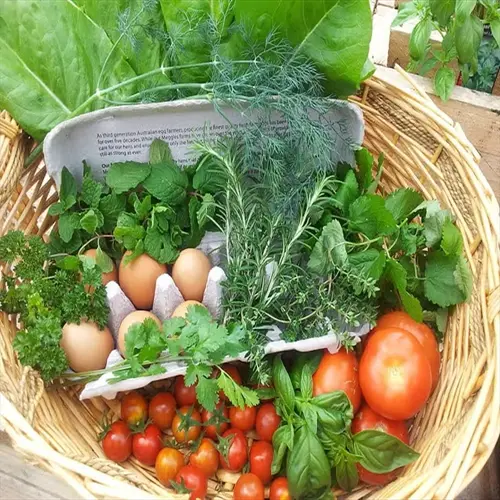
Several plants aphids avoid share this bug-blocking power. Garlic, chives, onions, and leeks top the list. Strong herbs like basil, mint, and rosemary help too. Marigolds push out compounds from roots and leaves that many pests don't like.
Think of natural aphid repellent plants as a cloaking device. They don't kill aphids or build walls. They hide your target plants through scent confusion. Aphids hunting for roses smell garlic instead. They keep looking elsewhere. Your plants become invisible.
Onion Family Stars
- Garlic: Plant cloves 4-6 inches from veggies you want to guard for steady sulfur release through the leaves.
- Chives: These come back year after year and you can still cut them for cooking while they protect your garden.
- Onions: Spread them through your beds rather than bunching them for better scent coverage across the whole area.
Helpful Herb Friends
- Basil: Plant near tomatoes and peppers where aphids often strike for bug control plus fresh herbs for dinner.
- Mint: Has strong oils but spreads like crazy so grow it in pots sunk into the ground for easy control.
- Rosemary: This woody plant lasts for years and makes a lasting shield when put at bed edges and corners.
Flower Power Picks
- Marigolds: French types push out special compounds from roots that send aphids and other soft bugs away.
- Nasturtiums: These act as decoy crops that pull aphids toward them and away from your veggies.
- Catnip: Studies show catnip blocks aphids as well as store-bought sprays in garden tests.
Spacing counts when you plant bug blockers. Spread them through your beds rather than piling them in one spot. The scent shield needs to reach all your plants. One garlic bulb at the end of a row won't save tomatoes ten feet away.
Plant your guards before aphid season starts. The scent barrier needs time to build up. Adding garlic after aphids have moved in won't push them out. It helps stop the next wave from landing though.
Don't count on guard plants to work alone. Some aphids will still find your veggies. Strong winds blow scent shields away. Heavy rain washes away the smell compounds. Use these plants as part of your defense, not your only trick.
Mix scent blocking with visual confusion for better results. Aphids find plants by smell and by sight. Mixing plant heights, colors, and leaf shapes makes it harder for bugs to zero in on your targets. A mixed garden with guards spread through it builds many layers of defense.
When I first tried companion planting, I was doubtful. It seemed too easy. But after two seasons of lower aphid counts, I'm sold on this method. You don't need fancy tools or sprays. Just plant smart and let nature do the work for you.
Read the full article: Aphids on Plants: How to Identify and Control