
Introduction
Air layering plants uses a 2,000 year old secret from Chinese gardeners. This method forces roots to grow on a stem while it stays on the parent plant. The new plant survives separation because it never had to struggle alone. Many gardeners pass this technique by, not knowing what it can do for them.
I found marcotting after my woody cuttings failed over and over. My rubber tree cuttings rotted every time. Magnolia cuttings gave me nothing but brown stems. Then I tried air layering. Roots formed on stems that refused to root any other way. Oklahoma State research backs this up: layering beats cuttings for tough woody plants that fight other methods.
Modern plastic wrap made this plant propagation technique easy for home growers. You don't need clay pots or complex setups anymore. Damp moss, plastic wrap, and basic garden supplies give you everything required. The whole process costs less than a new plant from the nursery.
This guide shows you the science behind why air layering works. You'll learn which plants respond best and when timing matters most. I'll cover common failures and how to fix them before they ruin your project. We start with the plants that give you the best chance of success on your first try.
Best Plants for Air Layering
Not every plant responds well to air layering. I wasted months on plants that just would not cooperate. The best plants share a few key traits. Look for woody stems at least pencil thick and strong natural auxin production. Your tropical houseplants and woody shrubs tend to excel. Soft stemmed herbs and most annuals fail no matter what you do.
Research from NC State shows how much success rates can vary by species. Some rhododendrons hit 100% rooting rates. Others in the same family manage just 6% under the same conditions. When I started, I picked plants at random and got random results. Now I choose based on stem structure and my success rate jumped. Think of it like choosing the right tool for a job.
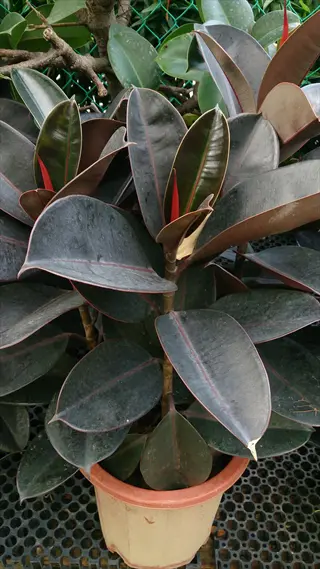
Rubber Plant (Ficus elastica)
- Success Rate: One of the most reliable houseplants for air layering with success rates above 80% when you use proper technique.
- Best Timing: Air layer rubber plants in spring through early summer when you see new leaf growth at the stem tips.
- Stem Selection: Choose stems at least pencil thick about 12 to 18 inches below the growing tip for best results.
- Common Use: Rejuvenate leggy rubber plants that have lost lower leaves by creating a new compact plant from the top portion.
- Rooting Time: Expect visible roots through the moss wrap within 6 to 10 weeks under warm indoor conditions.
- Special Tip: The milky white sap can irritate skin so wear gloves when making cuts and wipe your blade between plants.
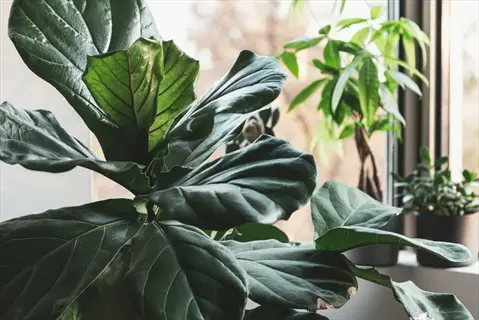
Fiddle Leaf Fig (Ficus lyrata)
- Success Rate: Responds great to air layering with most attempts producing usable root systems when stem diameter meets minimum size.
- Best Timing: Late spring through mid summer gives you the active growth period needed for rapid callus and root formation.
- Stem Selection: Select woody stems about one inch in diameter that have hardened from green to brown coloration.
- Common Use: Create multiple plants from a single tall specimen or rescue a plant with bare lower trunk from leaf drop.
- Rooting Time: Root formation takes 8 to 12 weeks based on warmth, humidity, and the health of your parent plant.
- Special Tip: Place your parent plant in bright indirect light during rooting since direct sun can overheat the moss ball.
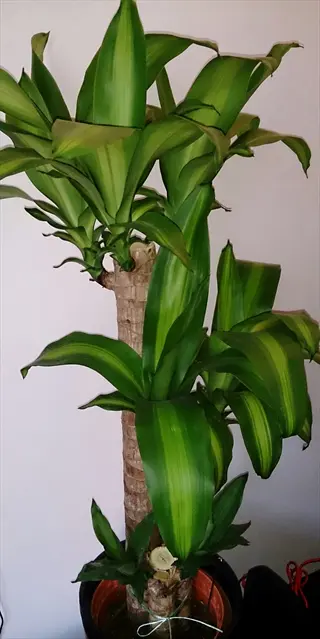
Dracaena Species
- Success Rate: Among the easiest houseplants to air layer with even beginners getting good results on corn plant and dragon tree varieties.
- Best Timing: Air layer dracaenas from early spring through late summer when stems are growing and producing new foliage.
- Stem Selection: Monocot stems require a different cut using an upward slanting incision kept open with a toothpick instead of ring removal.
- Common Use: Perfect for reducing height on corn plants and dragon trees that have grown too tall for your indoor spaces.
- Rooting Time: Dracaenas root fast with visible roots often appearing within 4 to 8 weeks under good conditions.
- Special Tip: These plants handle the stress of air layering well and you rarely see dieback on the parent plant below the wound.

Magnolia Trees
- Success Rate: Magnolias root well through air layering when cuttings fail making this the top cloning method for many cultivars.
- Best Timing: Early spring before flowering on previous season wood or mid summer on current season mature shoots works best.
- Stem Selection: Choose stems between pencil and thumb thickness on branches getting good light and showing strong growth.
- Common Use: Clone prized magnolia cultivars that do not come true from seed and root poor from stem cuttings.
- Rooting Time: Woody outdoor trees take longer with roots forming over 3 to 6 months requiring patience and moisture checks.
- Special Tip: Apply rooting hormone at 500 to 1500 parts per million IBA for much better root mass development.
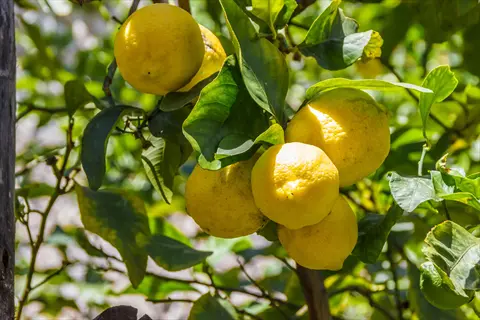
Citrus Trees
- Success Rate: Air layering works great on citrus for home gardeners wanting to clone a productive tree with known fruit quality.
- Best Timing: Late spring through early summer when citrus trees show active growth after flowering gives you the best window.
- Stem Selection: Select pencil thick stems from current or previous season growth and avoid old thick bark that roots slower.
- Common Use: Propagate dwarf citrus varieties or clone a tree with sweet fruit for planting in another location.
- Rooting Time: Citrus air layers root within 2 to 4 months in warm climates with temperatures above 70 degrees Fahrenheit.
- Special Tip: Air layered citrus trees fruit sooner than seed grown trees since they are mature clones of the fruiting parent.
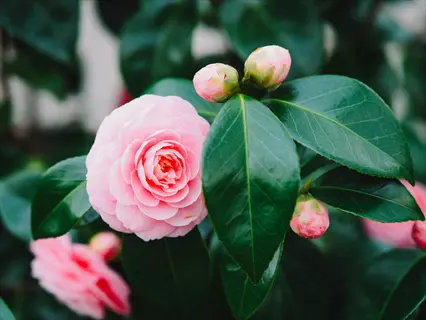
Camellia Shrubs
- Success Rate: Camellias air layer well when cuttings prove difficult making this technique valuable for prized flowering cultivars.
- Best Timing: Spring through early summer on semi hardened wood from the current season gives you the best rooting response.
- Stem Selection: Choose stems about pencil thickness from the outer portion of the shrub where light supports healthy growth.
- Common Use: Clone heirloom camellia varieties or propagate a neighbor's beautiful flowering shrub that you cannot buy elsewhere.
- Rooting Time: Camellias take 3 to 5 months to develop enough roots so you need patience before separation.
- Special Tip: Use black plastic wrap instead of clear plastic on slow rooting camellias to prevent algae growth.

Azalea Varieties
- Success Rate: Research shows certain rhododendron and azalea species achieve near perfect success rates with proper timing and hormone use.
- Best Timing: Spring air layering on previous season growth produces roots faster than summer attempts on most azalea varieties.
- Stem Selection: Select stems of moderate thickness with healthy foliage and avoid weak growth or stems showing disease symptoms.
- Common Use: Preserve heritage azalea varieties by creating genetic clones that maintain exact flower colors and growth patterns.
- Rooting Time: Expect 3 to 4 months for root development with some varieties taking up to 6 months in cooler conditions.
- Special Tip: Studies show IBA rooting hormone at 500 parts per million applied in spring produces the longest roots.
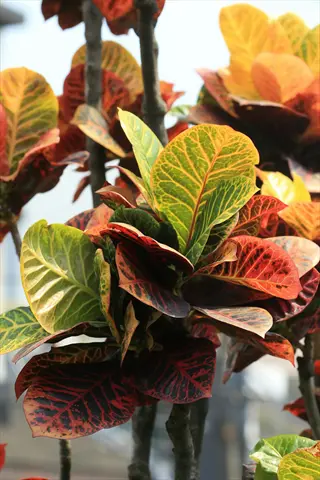
Croton Plants
- Success Rate: These colorful tropical houseplants respond well to air layering so you can propagate specific color patterns that vary.
- Best Timing: Air layer crotons during the warm growing season from late spring through summer when they show active leaf growth.
- Stem Selection: Choose stems at least pencil thick with the color pattern you want to preserve since each clone matches the parent.
- Common Use: Propagate a croton with great coloration or reduce height on a plant that has grown too tall.
- Rooting Time: Crotons root within 6 to 10 weeks under warm humid conditions with temperatures above 65 degrees Fahrenheit.
- Special Tip: These plants like high humidity so mist the foliage above the air layer often to reduce stress.
Air Layering Step by Step
The air layering step by step process works because you create a dam in the plant's nutrient highway. When you girdle the stem, you block sugars and hormones from moving down. These compounds pile up above the wound and trigger root formation right where you want them.
I failed my first attempts because I did not understand the science. Once I learned why each step matters, my success rate tripled. The girdling technique stops the flow of auxin and carbohydrates through the phloem layer. This buildup is what makes adventitious roots form at the wound site.
Your cut style depends on plant type. For dicots like ficus, remove a ring of bark about one inch wide. For monocots like dracaena, make an upward slanting cut. Prop it open with a toothpick so it cannot heal closed.
You need a few basic supplies to get started. Gather these before you make your first cut so you can work fast and keep the wound from drying out.
Sharp Clean Knife or Blade
- Purpose: A sharp blade creates clean cuts through the bark and cambium layer without crushing plant tissue or creating ragged wound edges.
- Selection: Use a razor blade, sharp grafting knife, or utility knife that you have sterilized with rubbing alcohol before making cuts.
- Technique: Clean cuts heal better and reduce disease entry points while exposing the cambium layer that triggers root growth.
Sphagnum Moss
- Purpose: Sphagnum moss holds moisture while providing air pockets that roots need plus natural antifungal properties that prevent rot.
- Preparation: Soak dried sphagnum moss in water for at least 30 minutes then squeeze out excess so it feels damp but not dripping wet.
- Amount: Form a ball about the size of your fist around the wound site and make sure it covers the exposed cambium on all sides.
Plastic Wrap or Film
- Purpose: Polyethylene plastic creates a sealed humid environment that stops the moss from drying out over the weeks of rooting.
- Color Choice: Clear plastic lets you watch for root growth while black plastic stops algae growth on slow rooting species.
- Application: Wrap tight enough to seal in moisture but not so tight that growing roots cannot push against the plastic.
Rooting Hormone
- Purpose: IBA based hormone powder or gel speeds up root formation and boosts your overall success rate by a wide margin.
- Application: Dust or apply the hormone right onto the exposed cambium layer before you wrap with moss for best absorption.
- Research Note: Studies show IBA at 500 to 1500 parts per million produces heavier and longer root systems than untreated controls.
Ties or Tape for Securing
- Purpose: Twist ties, string, or tape secure the plastic wrap above and below the moss ball to create a sealed moisture chamber.
- Material Options: Electrical tape, twist ties, or string all work well with tape being easiest for beginners to apply tight.
- Placement: Secure both the top and bottom edges of the plastic to stop moisture loss during the rooting period.
With your supplies ready, pick a stem at least 12 to 18 inches below the tip. Thicker stems store more energy and root better. Plastic wrap makes this easy for home gardeners. You no longer need clay pots and complex rigs.
When to Air Layer Plants
Timing your air layer is like catching a train. If the plant is not in active growth mode, you miss your chance. Spring on previous season wood or mid summer on current season growth gives you the best window. I learned this the hard way after my winter attempts produced nothing but dried moss balls.
Research from NC State shows that timing affects more than just success. Autumn layers with higher hormone doses produce the heaviest root systems. Spring layers with lower hormone doses produce the longest roots. Your goals should shape when you start.
Houseplants give you the most freedom. Indoor conditions stay warm and stable all year. Outdoor woody plants need more care with timing. The table below breaks down when to start for each plant type.
Evergreen shrubs prefer spring while deciduous trees work in either spring or autumn. Watch for signs of active growth like new leaves or extending stems. These signals tell you the plant has the energy to push out new roots.
Air Layering vs Cuttings
Air layering works like training wheels for new plants. The parent plant feeds and supports the stem until roots grow strong enough to survive alone. Cuttings must fend for themselves from day one. This difference explains why tough plants root better with air layering.
Oklahoma State research backs this up. Hard to root plants form roots faster with layering than with cuttings. In my experience with magnolias, stem cuttings rotted every single time. When I tried air layering instead, I got a healthy rooted plant in four months.
Your choice depends on what you need. Want one large plant fast? Use air layering. Need many small plants? Cuttings work better. The table below helps you pick the right method.
Research shows air layering has a 53% success rate with larger diameter stems. Thick cuttings often struggle because they lose too much water before roots form. Air layering sidesteps this problem since the parent plant keeps the stem hydrated.
Troubleshooting Air Layering
Air layering problems act like clues in detective work. Each symptom points to a specific cause with a specific fix. In my experience after many failed attempts, I learned to spot these patterns fast. Most issues come from three main causes: bad girdling, dry moss, or poor timing.
Texas A&M warns that many plants die in the final stage. Gardeners cut too early before roots can support the new plant alone. Oklahoma State notes that callus formation is the key to success. This tissue must form first before roots can grow from it.
The list below covers the most common failures and how to fix them. Check these first when your air layer is not working as expected.
No Roots After Several Months
- Cause - Incomplete Girdling: The bark ring was not removed all the way so the cambium bridged across the gap and kept nutrients flowing down.
- Solution: Make sure to scrape the exposed wood after removing the bark ring to get rid of any remaining cambium tissue.
- Prevention: Cut deeper and wider than you think you need since plants can bridge small gaps in just a few weeks.
Moss Dries Out Often
- Cause - Poor Seal: The plastic wrap was not secured tight at the top and bottom edges so moisture escaped.
- Solution: Rewrap with fresh damp moss and secure both ends with electrical tape or twist ties for an airtight seal.
- Prevention: Check all edges when you first wrap and add a second layer of plastic if the first seems loose or thin.
Algae or Mold Growth
- Cause - Excess Moisture Plus Light: Too wet moss combined with clear plastic in bright light creates perfect conditions for algae.
- Solution: Switch to black plastic wrap which blocks light while still keeping the humid environment needed for roots.
- Prevention: Squeeze moss well before wrapping so it feels damp but no water drips when you press it firmly.
Callus Forms But No Roots
- Cause - Missing Hormone or Wrong Timing: The wound healed with callus tissue but conditions were not right for root cells to form.
- Solution: Apply rooting hormone and retry during the active growth season when the plant has energy for new root growth.
- Prevention: Use rooting hormone from the start and time your air layer for spring or summer when the plant grows fast.
Plant Dies After Separation
- Cause - Cut Too Early: The root system was not strong enough to support the separated section on its own without the parent.
- Solution: Wait until multiple roots show through the plastic and they look white and healthy not just a few thin strands.
- Prevention: Texas A&M notes this is the most common failure point so wait longer rather than cutting too soon.
Slow or Weak Root Growth
- Cause - Wrong Stem Size or Season: Stems that are too thin lack stored nutrients while dormant season attempts fail because the plant rests.
- Solution: Choose stems at least pencil thick on woody plants and only start when you see signs of active growth on the plant.
- Prevention: Research shows larger diameter stems have higher success rates because they store more carbohydrates for root formation.
5 Common Myths
Air layering requires expensive specialized equipment and professional horticultural training to succeed at home.
Home gardeners need only basic supplies like sphagnum moss, plastic wrap, and a sharp knife to achieve successful air layers on most suitable plants.
You must use rooting hormone for air layering to work because plants cannot form roots without artificial hormones.
Plants naturally produce auxin hormones that accumulate above the wound and trigger root formation, though rooting hormone does improve success rates significantly.
Air layered plants are weaker and less healthy than plants grown from seeds or purchased from nurseries.
Air layered plants are genetic clones of the parent with the same vigor, though they may develop shallower root systems than seed-grown specimens.
Air layering only works during a narrow window in spring and fails completely if attempted at other times.
While spring offers optimal conditions for outdoor plants, houseplants can be air layered year-round indoors and some species root well in mid-summer.
Once you wrap the moss ball, you should never disturb it until roots appear months later.
Checking moisture levels monthly and misting dry moss helps prevent failure from dehydration without disrupting root development.
Conclusion
Air layering plants uses a 2,000 year old method that still beats many modern options. This technique turns difficult plants into easy projects. You now know which plants respond best, when to start, and how to avoid common failures.
The science behind it all comes down to one thing. Girdling blocks auxin and carbohydrates from flowing down. These compounds pile up and force roots to form right where you need them. Knowing this helps you predict success and fix problems before they ruin your work.
In my experience, timing and rooting hormone make the biggest difference. Spring and summer attempts on healthy stems beat random tries by a wide margin. A quick dust of IBA hormone boosts your success rate with almost no extra effort or cost.
Start your first air layer on an easy plant like dracaena or rubber plant. Both root fast and forgive small mistakes. You can then move on to tougher species like magnolias and camellias. These fight other propagation methods but yield to air layering. This ancient technique has lasted thousands of years because it works.
External Sources
Frequently Asked Questions
What is air layering plants?
Air layering is a propagation technique that encourages roots to form on a stem while still attached to the parent plant, then separating once rooted.
What are the disadvantages of air layering?
Air layering has several drawbacks:
- Produces fewer plants per parent than cuttings
- Takes longer than other propagation methods
- Requires more materials and monitoring
- Some species develop weak root systems
What is the best mixture for air layering?
Moist sphagnum moss works best because it retains water while providing excellent aeration and naturally resists fungal growth.
Can you put cuttings straight into soil?
Some cuttings root directly in soil while others need water or rooting medium first, depending on species and stem type.
Can air layering be done indoors?
Yes, indoor air layering works year-round for houseplants since controlled temperatures maintain consistent growth conditions.
How long does it take air layering to root?
Rooting takes 3-4 months for houseplants and 2-6 months for woody outdoor plants depending on species and growing conditions.
Can you use potting soil to air layer?
Sphagnum moss works better than potting soil because it retains moisture while providing aeration and naturally resists fungal growth.
Do you need to water air layering?
Check moisture monthly and mist the moss through the plastic wrap if it appears dry to maintain consistent humidity around the wound.
Does air layering work in winter?
Indoor houseplants can be air layered in winter, but outdoor plants should wait until spring when active growth resumes.
What rooting hormone is best for air layering?
IBA-based rooting hormone in powder or gel form produces the best results, with studies showing improved success rates over untreated wounds.