
Introduction
Your fall vegetable garden can produce the sweetest harvests of the year. Most gardeners pack up after summer and miss this prime growing window. Johns Hopkins research found gardeners are 30% more likely to meet USDA veggie goals. Yet fewer than one in three households grow their own food.
When I first tried fall gardening, I expected failure. A late August trip left my beds empty, so I tossed in kale seeds without much hope. Those leaves tasted better than my spring crop. The frost made all the difference. In my experience, cold nights turn starches into sugars.
Fall growing beats summer in several ways. You face fewer bugs and diseases as pests die off. Your spring soil prep stays intact, saving hours of work. Cool weather crops like spinach and broccoli love these conditions. I've found pest pressure drops by half after September.
This guide gives you everything for a strong autumn harvest. You'll learn which crops handle frost, when to plant for your zone, and how to stretch your season. Let's make your garden work all year long.
Best Fall Vegetables to Plant
Not all vegetables handle cold the same way. Think of frost tolerance like athlete conditioning. Hardy crops are marathon runners that push through tough conditions down to 24 to 28 degrees. Semi-hardy veggies tolerate upper 20s but need harvest before hard freezes hit. In my experience, knowing these limits saves crops from ruin.
I tested dozens of fall crops over the years. The winners below made it through frost. They kept giving me food into November. Iowa State research confirms that hardy vegetables keep going even in the mid 20s. Match your crops to your zone for the best results.
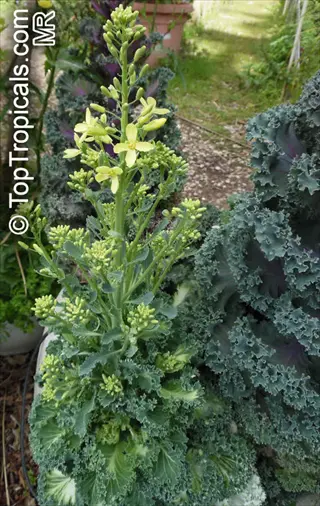
Kale
- Frost Tolerance: Hardy vegetable that thrives in temperatures down to 24 to 28 degrees Fahrenheit, making it one of the most cold resistant crops available.
- Days to Harvest: Reaches maturity in 55 to 75 days from seed, with baby leaves ready for harvest in just 25 to 30 days for continuous picking throughout fall.
- Flavor Enhancement: Leaves become sweeter after frost exposure as the plant converts starches to sugars, a process called winter sweetening.
- Growing Tips: Direct sow seeds 6 to 8 weeks before first frost or transplant seedlings for faster harvest; space plants 12 to 18 inches apart.
- Best Varieties: Lacinato, Red Russian, and Winterbor excel in fall conditions and offer different textures from smooth to ruffled leaves.
- Health Value: Packed with vitamins A, C, and K plus antioxidants, kale provides exceptional nutrition during months when fresh produce becomes scarce.
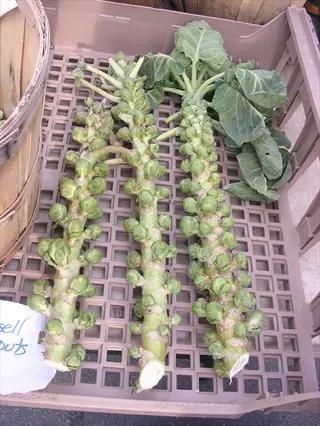
Brussels Sprouts
- Frost Tolerance: Hardy crop that improves after light freezes, tolerating temperatures down to 24 degrees Fahrenheit once established.
- Days to Harvest: Requires 90 to 100 days from transplant, making it one of the longest maturing fall crops that needs early summer planting for fall harvest.
- Flavor Enhancement: Often described as best after frost exposure when cold temperatures trigger sugar concentration, reducing the bitter compounds that many people dislike.
- Growing Tips: Start transplants indoors 12 to 14 weeks before first frost; plants need 24 to 36 inches spacing due to their large size.
- Harvest Method: Pick sprouts from bottom of stalk first as they mature, working upward; remove lower leaves to direct energy to developing sprouts.
- Pest Awareness: Watch for cabbage loopers and aphids; Bacillus thuringiensis provides effective organic control for caterpillar pests according to university research.
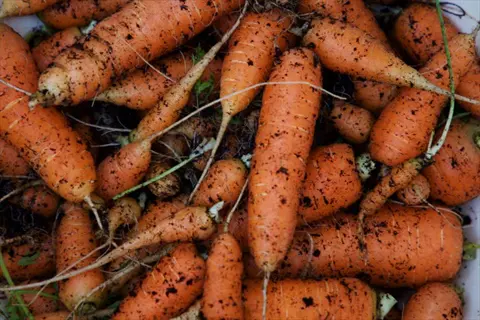
Carrots
- Frost Tolerance: Semi hardy root vegetable tolerating light frosts down to 28 to 32 degrees Fahrenheit with roots protected underground.
- Days to Harvest: Matures in 60 to 80 days depending on variety, with soil temperature minimum of 40 degrees Fahrenheit for germination.
- Flavor Enhancement: Root vegetables convert starches to sugars when soil temperatures drop below 40 degrees Fahrenheit, producing sweeter carrots.
- Growing Tips: Direct sow seeds 10 to 12 weeks before first frost; keep soil moist for the slow germination period of 14 to 21 days.
- Soil Requirements: Requires loose, stone free soil excavated 10 to 12 inches deep for straight root development without forking.
- Extended Harvest: Leave carrots in ground under heavy mulch and harvest throughout winter as needed in zones where soil does not freeze solid.
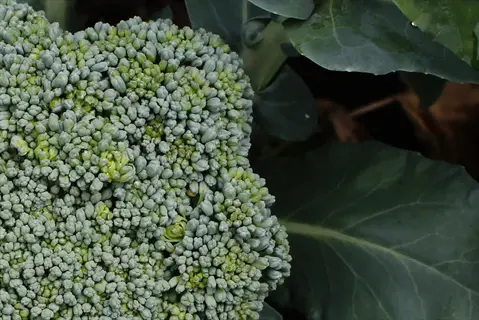
Broccoli
- Frost Tolerance: Hardy brassica tolerating temperatures down to 24 to 28 degrees Fahrenheit, producing well into late fall.
- Days to Harvest: Matures in 55 to 70 days from transplant, with optimum soil germination temperature of 85 degrees Fahrenheit.
- Growing Tips: Transplant seedlings 6 to 8 weeks before first frost; space 18 to 24 inches apart in rows 3 feet apart.
- Harvest Method: Cut main head when florets are tight before flowering; side shoots continue producing smaller heads for weeks after initial harvest.
- Water Needs: Requires 1 to 2 inches of water each week for consistent growth and to prevent hollow stems and loose heads.
- Pest Management: Monitor for cabbage worms and loopers; hand picking or Bt spray provides effective control without harmful chemicals in your vegetable garden.
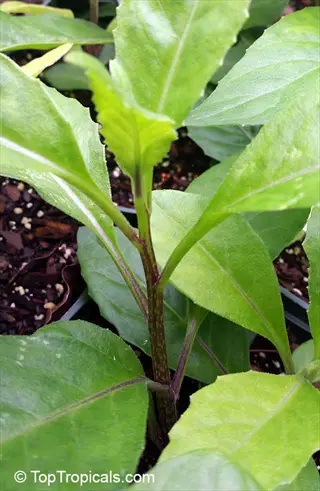
Spinach
- Frost Tolerance: Semi hardy green tolerating light frosts to 28 to 32 degrees Fahrenheit and thriving in cool fall temperatures.
- Days to Harvest: Fast maturing crop ready in 37 to 45 days from seed, with baby leaves harvestable even earlier for continuous salad greens.
- Growing Tips: Direct sow seeds 6 to 8 weeks before first frost; germination requires soil temperature between 35 to 85 degrees Fahrenheit.
- Spacing and Care: Plant seeds 1 inch apart and thin to 4 to 6 inches; consistent moisture prevents bolting in warm late summer soil.
- Variety Selection: Choose slow bolt varieties like Bloomsdale Long Standing or Tyee for fall planting when temperatures may fluctuate during establishment.
- Nutrition Profile: Excellent source of iron, calcium, and vitamins A and C, providing essential nutrients during the transition to winter eating.
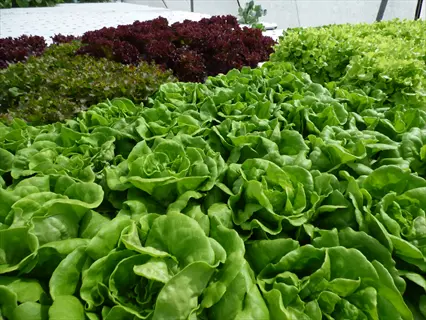
Lettuce
- Frost Tolerance: Semi hardy crop tolerating light frosts to 28 to 32 degrees Fahrenheit, though tender varieties need protection.
- Days to Harvest: Quick maturing at 30 to 60 days depending on variety, with baby greens ready for cut and come again harvest in just 21 days.
- Temperature Requirements: Germination minimum of 35 degrees Fahrenheit with optimum at 75 degrees Fahrenheit and maximum of 85 degrees Fahrenheit.
- Growing Tips: Succession plant every 2 weeks for continuous harvest; use shade cloth if sowing in hot August soil to keep temperatures below germination maximum.
- Variety Selection: Choose cold tolerant varieties like Winter Density, Rouge d'Hiver, or Arctic King bred for fall and winter production.
- Harvest Method: Cut outer leaves for continued production or harvest whole heads; afternoon picking reduces bitter compounds that build up during morning sun.
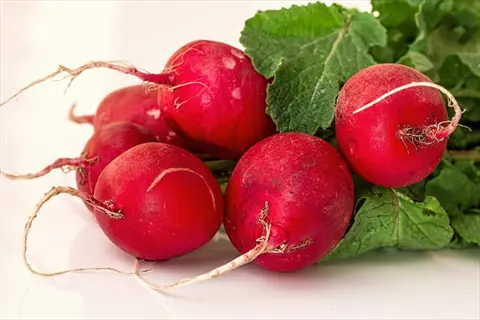
Radishes
- Frost Tolerance: Semi hardy root vegetable tolerating light frosts to 28 to 32 degrees Fahrenheit with roots protected in soil.
- Days to Harvest: Fastest fall crop at just 20 to 30 days, making radishes perfect for filling gaps and teaching new gardeners quick success.
- Growing Tips: Direct sow seeds 4 to 6 weeks before first frost; thin seedlings to 1 to 2 inches apart for proper root development.
- Succession Planting: Sow new seeds every 7 to 10 days for continuous harvest rather than one large planting that matures all at once.
- Variety Options: Cherry Belle and French Breakfast mature fast while Daikon and watermelon radishes need 50 to 60 days but offer larger roots.
- Storage Ability: Harvest before roots become woody or pithy; store in refrigerator for several weeks or leave in ground under mulch in mild climates.
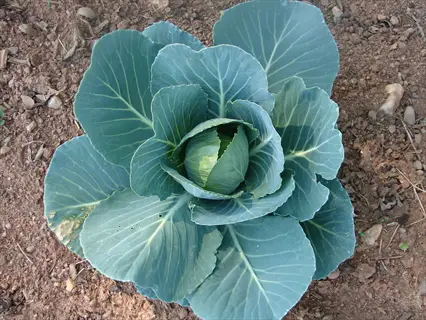
Cabbage
- Frost Tolerance: Hardy brassica tolerating temperatures down to 24 to 28 degrees Fahrenheit and improving in flavor after light frost.
- Days to Harvest: Matures in 70 to 100 days from transplant, requiring early summer planting in most regions for fall harvest.
- Growing Tips: Transplant seedlings 12 to 18 inches apart with 24 to 36 inches between rows for proper head development.
- Water Requirements: Consistent moisture of 1 to 2 inches each week prevents heads from splitting; mulch helps maintain even soil moisture.
- Storage Excellence: Cured cabbage stores for months in root cellars or refrigerators, providing fresh vegetables well into winter.
- Pest Vigilance: Scout often for cabbage worms and aphids; row covers provide excellent physical barrier while plants establish.
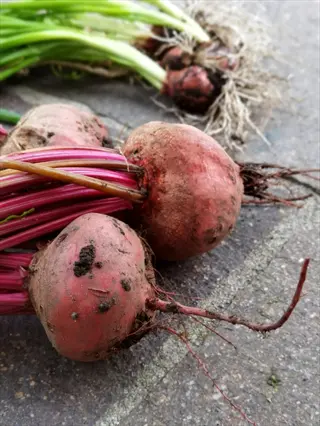
Beets
- Frost Tolerance: Semi hardy root vegetable tolerating light frosts to 28 to 32 degrees Fahrenheit with continued growth in cool weather.
- Days to Harvest: Matures in 50 to 70 days from seed, with minimum soil germination temperature of 40 degrees Fahrenheit.
- Dual Harvest: Both roots and greens are edible; harvest young greens without damaging roots for two crops from one planting.
- Growing Tips: Direct sow seeds 8 to 10 weeks before first frost; each seed cluster produces multiple seedlings requiring thinning to 3 to 4 inches.
- Flavor Development: Like carrots, beets develop enhanced sweetness when soil temperatures drop below 40 degrees Fahrenheit through sugar conversion.
- Variety Selection: Detroit Dark Red offers reliable performance while Chioggia provides striking candy stripe interior for visual appeal in fall dishes.
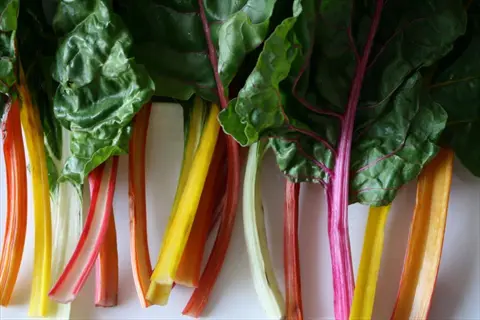
Swiss Chard
- Frost Tolerance: Semi hardy green tolerating light frosts to 28 to 32 degrees Fahrenheit, more cold tolerant than many greens.
- Days to Harvest: Matures in 50 to 60 days from seed, with continuous harvest extending for months when outer leaves get picked on a regular basis.
- Growing Tips: Direct sow or transplant 6 to 8 weeks before first frost; space plants 8 to 12 inches apart for full development.
- Visual Appeal: Rainbow varieties like Bright Lights offer stems in red, yellow, orange, pink, and white, adding color to fall gardens.
- Harvest Method: Cut outer leaves at base when 8 to 12 inches tall; center continues producing new growth for weeks.
- Versatility: Use young leaves raw in salads or cook mature leaves like spinach; stems work well as a vegetable side dish on their own.
When to Plant Fall Vegetables
Timing makes or breaks your fall garden. Think of it like planning a road trip. You start from your arrival time and work backward. Your first frost date is that deadline. Then you add buffer time for slower fall growth. I learned this lesson the hard way after losing an entire broccoli crop to early frost.
The trick is the fall factor. Illinois Extension tells us to add 1 to 2 weeks to seed packet maturity dates. Why? Cooling temps and shorter days slow plant growth. A 60 day crop on the packet might need 70 or 75 days in fall. You can't just count backward from frost and call it done.
Cornell research gives us specific deadlines that work. Brussels sprouts need planting by July 10. Carrots should go in by July 25. Spinach and lettuce can wait until August 15. Use these as a guide, then adjust 1 to 2 weeks earlier or later based on your zone.
Preparing Soil for Fall Gardens
Your fall garden gets a head start that spring planting never has. The soil is warm and the beds are broken in. Your spring prep work still pays off. In my experience, fall beds need far less work than starting from scratch. When I first tried fall gardening, the easy soil prep shocked me.
Still, summer growing takes a toll on your soil. You need to refresh it before planting. Texas A&M says to work the top 10 to 12 inches and add 2 to 3 inches of compost. Target a pH between 6.2 and 6.8 for most fall crops. A quick test kit from your garden center tells you where you stand.
Clear and Assess the Garden Bed
- Remove Spent Crops: Pull out any remaining summer plants that have finished producing, including tomato vines, pepper plants, and bean stalks that compete for nutrients.
- Evaluate Soil Condition: Check for compaction from summer foot traffic and watering; soil should crumble easily in your hand when squeezed rather than forming a hard ball.
- Check for Pests: Examine root systems of removed plants for signs of disease or pest damage that could affect fall crops; dispose of infected material away from garden.
Test and Adjust Soil pH
- Target Range: Fall vegetables grow best in soil pH between 6.2 and 6.8 according to Texas A&M and University of Georgia extension research.
- Testing Method: Use home test kits or submit samples to your local extension office for detailed analysis including nutrient levels and recommendations.
- Making Adjustments: Add lime to raise pH or sulfur to lower pH; make adjustments several weeks before planting when possible for best results.
Add Organic Matter and Amendments
- Compost Application: Incorporate 2 to 3 inches of finished compost into the top 10 to 12 inches of soil using a garden fork.
- Fertilizer Needs: Apply 1 to 1.5 pounds of balanced fertilizer per 100 square feet according to Illinois Extension guidelines.
- Depth Matters: Work amendments deep into soil rather than leaving on surface; fall vegetables develop extensive root systems that benefit from improved soil structure throughout.
Address Drainage and Structure
- Break Up Compaction: Use a broadfork or garden fork to loosen compacted layers without turning soil, which disrupts beneficial soil biology.
- Create Raised Areas: If drainage is poor, mound soil into raised rows or beds 6 to 8 inches high to prevent waterlogging in fall rains.
- Mulch Application: After planting, apply 2 to 3 inches of organic mulch to moderate soil temperature and retain moisture as weather cools.
I've tested my soil every fall for the past 5 years. The few dollars spent on a kit saves me from wasted crops and wrong amendments. Your plants will tell you when something is off. But by then you've lost weeks of growing time.
Frost Protection and Extension
Think of frost protection like layering clothes in winter. Each layer adds warmth. Row covers alone give you 4 to 8 extra degrees. Add a low tunnel frame and you gain even more. When I first built a simple cold frame, I was picking spinach in December. That changed how I garden.
Most gardeners stop at their first frost date. But with the right tools, you push harvest weeks or months into cold weather. Penn State research shows these methods work in zones 5 and warmer. The initial setup takes a few hours. The payoff lasts for years.
Floating Row Covers
- Temperature Protection: Lightweight fabric covers add 2 to 8 degrees Fahrenheit of frost protection depending on material weight and number of layers.
- Installation Method: Drape over plants or support with hoops; secure edges with soil, rocks, or landscape pins to prevent wind from lifting covers.
- Light Transmission: Allows 70 to 90% of sunlight through while protecting plants; can remain in place for weeks without hindering growth.
- Dual Purpose: Also provides protection from pest insects like cabbage moths and flea beetles, reducing need for pesticide applications in your fall garden.
Low Tunnels and Hoops
- Structure Setup: Install hoops 3 to 4 feet apart over crop rows according to Penn State Extension guidelines for proper support and air circulation.
- Cover Options: Use plastic sheeting for maximum heat retention or row cover fabric for breathability; combine both for layered protection in extreme cold.
- Ventilation Needs: Open ends or sides on sunny days when temperatures rise above 50 degrees Fahrenheit to prevent overheating and humidity buildup.
- Extended Harvest: Low tunnels can push harvest of cold hardy crops like kale, spinach, and carrots well into winter in USDA zones 5 and warmer.
Cold Frames
- Basic Design: Bottomless box with transparent lid that uses only passive solar heating to create a microclimate 10 to 20 degrees warmer than outside air.
- Positioning: Place against south facing wall or fence for maximum sun exposure; angle lid toward the sun at 35 to 45 degrees for optimal light capture.
- Management Required: Prop open lid when interior temperature exceeds 70 degrees Fahrenheit to prevent heat stress on plants.
- Winter Harvest: Grows salad greens, spinach, and cold hardy herbs through winter in zones 5 through 7 with proper management and positioning.
Hot Beds for Active Heating
- Power Source: Penn State describes hot beds as cold frames with added electric heating mats or cables buried 6 inches below soil surface.
- Temperature Control: Thermostat maintains consistent soil temperature between 60 to 70 degrees Fahrenheit regardless of outside conditions.
- Best Applications: Start transplants in late winter, extend harvest of warm season crops, and grow tender herbs that would otherwise die in freezing conditions.
- Cost Consideration: Higher setup and operating costs than passive methods but enables year round growing in colder climates with reliable temperature control.
I've found row covers give the best return on investment. They cost under $20 and last 3 to 4 seasons. A basic cold frame runs about $50 in materials if you build your own. Start with row covers and upgrade as your skills grow.
Fall Garden Care and Maintenance
Fall gardens need less work than summer ones. The UGA Extension confirms you face fewer pests and diseases this time of year. But that doesn't mean you can ignore your plants. I've learned that small problems grow fast in cool weather. Catching issues early saves your whole crop.
Your watering needs stay about the same as summer. Give your plants 1 to 2 inches each week. But watch the soil more than the calendar. Cool air means less evaporation. Overwatering becomes a bigger risk than drought in most fall gardens.
When I first started fall growing, seeds refused to sprout. The problem was hot August soil. Most cool season crops won't germinate above 85 degrees. The fix was simple. I watered in the evening and added shade cloth. Germination rates jumped from 20% to 80% overnight.
5 Common Myths
Fall gardens require more work than spring gardens because you have to start from scratch and deal with harder soil conditions.
Fall gardens actually require less labor because soil preparation from spring remains intact, and you simply need to clear spent summer crops and add light amendments.
You cannot grow vegetables after the first frost date because all plants will die when temperatures drop below freezing.
Many vegetables thrive after frost, including kale, Brussels sprouts, carrots, and spinach, which can tolerate temperatures down to 24 to 28 degrees Fahrenheit (-4 to -2 degrees Celsius).
Seeds will not germinate in the hot August soil, so you must wait until cooler weather arrives to start your fall garden.
Many cool-season crops germinate well in warm soil when kept consistently moist, and shade cloth can reduce soil temperatures for sensitive seeds like lettuce and spinach.
Fall vegetable gardens produce smaller harvests than spring gardens because the shorter days limit plant growth significantly.
Fall gardens can produce abundant harvests, and many vegetables actually grow more flavorful in cool weather with the bonus of fewer pest and disease problems.
You need to purchase all new transplants and seeds for fall gardening because leftover spring seeds will not germinate properly.
Properly stored seeds from spring planting remain viable for fall use, and many gardeners successfully use the same seed packets for multiple growing seasons.
Conclusion
Your fall vegetable garden can deliver the best harvests of the year. The timing centers on your first frost date. Work backward from there and add the fall factor. Match frost tolerant crops to your zone. Use row covers or cold frames to push your season into winter.
Fall growing beats summer in big ways. You deal with fewer pests and diseases. Your spring soil prep still works. Cold snaps make veggies taste sweeter. When I first tried it, the kale and carrot flavors shocked me. That frost flavor boost is real.
Research backs up what gardeners know. People who grow food are 2 times more likely to meet their daily vegetable needs. Your fall garden keeps that fresh produce coming when store options shrink. The nutrition value alone makes it worth the effort.
Start small if you're new to this. Radishes and lettuce mature in weeks. Add kale and spinach for crops that handle frost. Build your skills before tackling long season crops like Brussels sprouts. Find your first frost date and begin planning today.
External Sources
Frequently Asked Questions
What vegetables grow the fastest in the fall?
Radishes mature in 20 to 30 days, making them the fastest fall crop. Lettuce, spinach, and arugula also mature quickly in 30 to 45 days.
Should I fertilize my vegetable garden in the fall?
Yes, apply 1 to 1.5 pounds of all-purpose fertilizer per 100 square feet (9.3 square meters) when preparing fall beds, plus compost for improved soil structure.
How do I prepare my garden for fall and winter?
Amend soil with 2 to 3 inches (5 to 8 centimeters) of organic matter, check pH levels (target 6.2 to 6.8), remove spent summer crops, and plan row cover protection.
What should you not plant in the fall?
Avoid warm-season crops like tomatoes, peppers, eggplant, corn, and melons as they cannot tolerate frost and need long, hot growing seasons.
What do you plant in the fall for next year?
Plant garlic cloves in October or November for summer harvest, plus cover crops like winter rye to improve soil for spring planting.
How can I protect fall vegetables from early frost?
Use row covers, cold frames, low tunnels, or cloches to add 4 to 8 degrees Fahrenheit (2 to 4 degrees Celsius) of protection and extend your harvest.
Why do fall vegetables taste sweeter after frost?
Root vegetables convert starches to sugars when soil temperatures drop below 40 degrees Fahrenheit (4 degrees Celsius), a process called winter sweetening.
What is the fall factor in gardening?
The fall factor means adding 1 to 2 weeks to seed packet maturity dates because cooling temperatures and shorter days slow plant growth in autumn.
Can I start a vegetable garden in the fall as a beginner?
Fall is excellent for beginners because there are fewer pests, less disease pressure, and cooler temperatures make gardening more comfortable.
What companion herbs grow well with fall vegetables?
Parsley, cilantro, dill, chives, and thyme thrive in cool fall weather and complement brassicas and root vegetables in the garden.