
Introduction
Your indoor air contains 2 to 5 times more pollutants than the air outside. The EPA found this years ago. Most people spend 80 to 90% of their time indoors. That means you breathe contaminated air during most of your waking hours.
Air purifying plants offer a natural way to clean your home's air. NASA's 1989 Clean Air Study put houseplants on the map. Tests showed plants remove formaldehyde and benzene from sealed chambers. The findings made headlines. Plant sales jumped.
But here's what most articles skip. Laboratory results don't match real world conditions. Your home has windows, doors, and ventilation that sealed chambers lack. Scientists still debate how much plants help in actual living spaces. I've grown air purifying plants for over a decade. They improve my home. Just not in the ways most websites claim.
Think of indoor air quality like water quality. You can't see the problems. You can't taste most contaminants. The health effects show up as headaches and fatigue. Respiratory issues trace back to poor indoor air too. Plants won't solve everything. They will help as part of a larger strategy.
This guide gives you the honest truth about air purifying plants. You'll learn which ones work best. You'll know where to place them. And you'll get realistic expectations instead of hype.
10 Best Air Purifying Plants
I tested dozens of houseplants over the years. Some died within weeks. Others thrived and made my home feel fresher. The 10 plants below earned their spots through both NASA research and real world performance.
Each plant here removes toxins from indoor air. Snake plants tackle formaldehyde and benzene. Pothos cleans up other pollutants. I ranked them based on air cleaning ability and care difficulty so you can match plants to your skill level.
Two plants on this list release oxygen at night. Snake plants and aloe vera use a special process called CAM photosynthesis. This makes them perfect for bedrooms. The others produce oxygen during daylight hours.
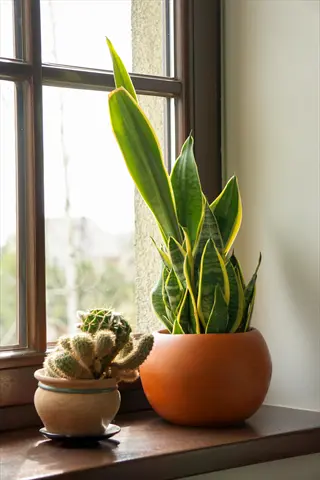
Snake Plant (Sansevieria)
- Air Purification: Removes formaldehyde, benzene, xylene, and trichloroethylene according to NASA research, making it one of the most effective air cleaners studied.
- Unique Benefit: Releases oxygen at night through a specialized photosynthesis process called CAM, making it ideal for bedroom placement where you sleep.
- Care Level: Super low maintenance, tolerating low light and infrequent watering, thriving on neglect better than most houseplants available today.
- Light Needs: Adapts to anything from bright indirect light to dark corners, though growth slows in low light conditions.
- Watering Schedule: Allow soil to dry out between waterings, often every 2-6 weeks depending on humidity and temperature in your space.
- Size Range: Available from 15 centimeters (6 inches) tabletop varieties to 1.2 meter (4 feet) floor specimens for flexible placement options.
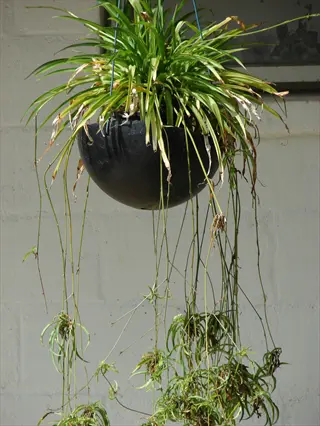
Spider Plant (Chlorophytum)
- Air Purification: Removes formaldehyde and xylene from indoor air, with NASA studies showing significant reduction in sealed chamber testing environments.
- Pet Safety: Non-toxic to cats and dogs, making it one of the safest choices for households with curious pets who nibble leaves.
- Care Level: Beginner-friendly plant that tolerates occasional neglect, irregular watering, and various light conditions without significant damage.
- Propagation Bonus: Produces baby plantlets on long runners that root with ease in water or soil, providing free new plants for other rooms.
- Light Needs: Prefers bright indirect light but tolerates lower light levels, though variegation may fade in dim conditions over time.
- Visual Appeal: Arching green and white striped leaves create graceful cascading effect, perfect for hanging baskets or elevated shelves.
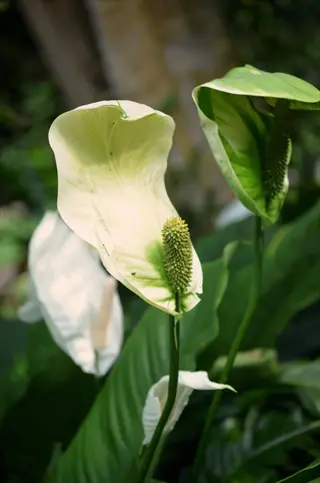
Peace Lily (Spathiphyllum)
- Air Purification: One of the top performers in NASA study, removing benzene, formaldehyde, trichloroethylene, ammonia, and xylene from indoor environments.
- Humidity Benefit: Increases ambient humidity through transpiration, benefiting both air quality and respiratory comfort in dry indoor environments.
- Flowering Advantage: Produces elegant white spathes throughout the year, adding beauty while purifying surrounding air in your space.
- Care Level: Moderate maintenance with clear visual cues when thirsty, as leaves droop when watering is needed.
- Light Needs: Thrives in low to medium indirect light, making it suitable for offices and rooms with limited natural sunlight.
- Pet Warning: Toxic to cats and dogs if ingested, causing oral irritation and digestive upset, requiring careful placement in pet households.
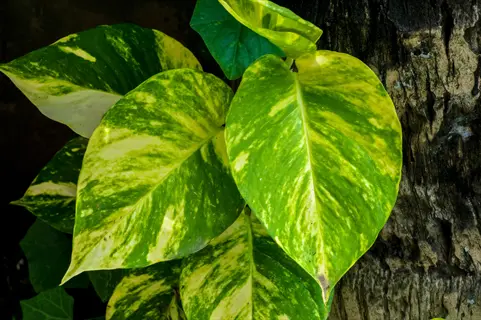
Golden Pothos (Epipremnum aureum)
- Air Purification: Research shows pothos reduced benzene and trichloroethylene from 36 parts per million to near zero levels within 2 hours.
- Growth Habit: Vigorous trailing vine that can reach 3 meters (10 feet) or more, providing substantial leaf surface area for air cleaning.
- Care Level: Almost indestructible houseplant that forgives missed waterings and adapts to various light conditions with minimal fuss required.
- Light Needs: Tolerates low light well though grows faster and maintains better variegation in bright indirect light conditions.
- Watering Schedule: Water when top 2-3 centimeters (1 inch) of soil feels dry, often every 1-2 weeks depending on conditions.
- Pet Warning: Contains calcium oxalate crystals toxic to pets, causing mouth irritation and digestive issues if leaves are chewed or ingested.
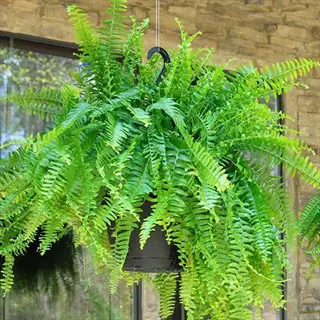
Boston Fern (Nephrolepis exaltata)
- Air Purification: Great at removing formaldehyde from indoor air according to research, while also adding significant humidity to dry spaces.
- Humidity Addition: Releases substantial moisture through transpiration, humidifying surrounding air which benefits respiratory health and skin comfort.
- Pet Safety: Non-toxic to both cats and dogs, making it a worry-free choice for pet owners seeking air purifying plant options.
- Care Level: Requires consistent moisture and humidity, making it a bit more demanding than drought tolerant alternatives like snake plants.
- Light Needs: Prefers bright indirect light and struggles in dark corners, best placed near north-facing windows or shaded areas.
- Display Options: Stunning in hanging baskets where arching fronds can cascade free, creating a lush green focal point in any room.
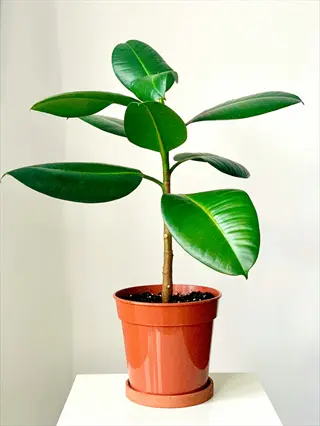
Rubber Plant (Ficus elastica)
- Air Purification: Removes formaldehyde from indoor air while large waxy leaves trap dust particles before they become airborne again.
- Size Impact: Grows into impressive specimens reaching 2-3 meters (6-10 feet) indoors, providing substantial leaf surface for air cleaning capacity.
- Care Level: Moderate maintenance with weekly watering during growing season and monthly watering during winter dormancy periods.
- Light Needs: Prefers bright indirect light but tolerates medium light, with darker leaf varieties adapting better to lower light situations.
- Leaf Cleaning: Wipe glossy leaves once a month with damp cloth to remove dust buildup and maintain photosynthesis for optimal performance.
- Pet Warning: Milky sap causes skin irritation and is toxic if ingested by pets, requiring placement away from curious animals.

English Ivy (Hedera helix)
- Air Purification: Studies indicate English ivy can reduce airborne mold particles and remove benzene, formaldehyde, and other VOCs from indoor air.
- Mold Reduction: Research shows potential to reduce airborne mold spores in enclosed spaces, beneficial for bathrooms and basements with humidity issues.
- Growth Habit: Aggressive climber that trails or climbs depending on support, reaching impressive lengths with proper care and conditions.
- Care Level: Moderate maintenance requiring consistent moisture and cooler temperatures, struggling in hot dry indoor environments common in winter.
- Light Needs: Adapts to various light levels from bright indirect to moderate shade, with variegated varieties needing more light than solid green.
- Pet Warning: Very toxic to cats and dogs if ingested, causing vomiting, diarrhea, and more serious symptoms, requiring careful placement.

Dracaena (Dragon Tree)
- Air Purification: Multiple dracaena species appear in NASA study results, removing benzene, formaldehyde, trichloroethylene, and xylene from air.
- Variety Options: Available in numerous cultivars from compact Dracaena marginata to larger Dracaena fragrans, fitting various space and design requirements.
- Care Level: Low to moderate maintenance with tolerance for occasional missed waterings and adaptability to indoor conditions.
- Light Needs: Prefers medium to bright indirect light but adapts well to lower light conditions in offices and darker rooms.
- Growth Rate: Slow to moderate growth makes dracaenas manageable long term houseplants that remain the right size for years without pruning.
- Pet Warning: Toxic to cats and dogs, causing vomiting and excessive drooling if ingested, requiring elevated placement in pet households.
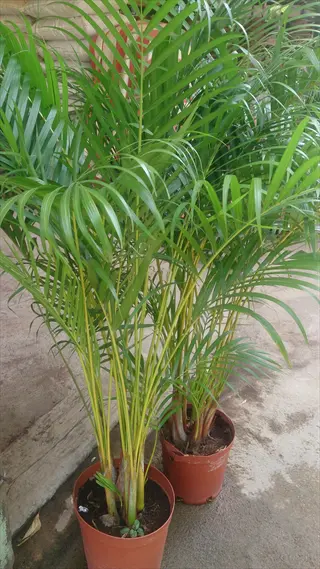
Areca Palm (Dypsis lutescens)
- Air Purification: NASA research identifies areca palm as one of the most efficient air humidifiers and formaldehyde removers among tested plants.
- Humidity Production: Releases about 1 liter (1 quart) of water per day through transpiration, boosting ambient humidity in a natural way.
- Pet Safety: Non-toxic to cats and dogs, making it a safe tropical statement plant for households with curious four-legged family members.
- Size Potential: Grows to 1.8-2.4 meters (6-8 feet) indoors, providing substantial air purifying capacity and dramatic tropical visual impact.
- Care Level: Moderate maintenance requiring consistent moisture, good drainage, and protection from direct sunlight which scorches delicate fronds.
- Light Needs: Thrives in bright indirect light, tolerating some direct morning sun but burning in harsh afternoon sunlight exposure.
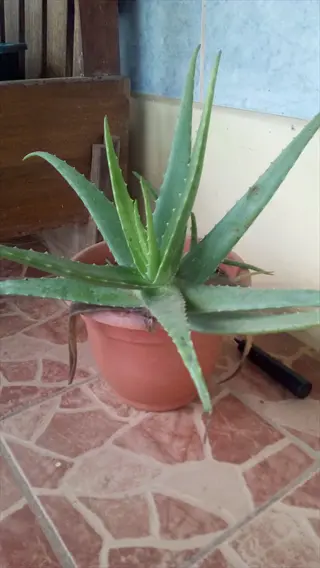
Aloe Vera
- Air Purification: Removes formaldehyde and benzene from indoor air while releasing oxygen at night similar to snake plants for bedroom benefit.
- Dual Purpose: Beyond air cleaning, gel inside leaves provides natural remedy for minor burns, cuts, and skin irritations when harvested right.
- Care Level: Very low maintenance succulent requiring infrequent watering and tolerating typical indoor humidity levels without special attention.
- Light Needs: Prefers bright indirect to direct sunlight, thriving near sunny windows where it develops the thickest, healthiest leaves.
- Watering Schedule: Allow soil to dry between waterings, about every 2-3 weeks, as overwatering causes root rot fast.
- Pet Warning: Toxic to cats and dogs if ingested, causing vomiting and diarrhea, despite being safe for human topical use.
If the peace lily is the workhorse of air purification, the snake plant is its low maintenance cousin. Both clean air well. One just needs far less attention. Match your choice to your lifestyle and available light.
How Plants Clean Indoor Air
Your plants clean air through two main systems. Leaves take in gases through tiny pores called stomata. Roots and soil microbes break down pollutants below the surface. Both systems work together to cut toxins in your living space.
The leaf system handles gases like formaldehyde and benzene. Stomata open during the day to absorb sunlight. VOCs slip in through these same openings. Your plant breaks them down or stores them in its tissues. This process runs on autopilot as long as you keep the plant healthy.
NASA research found your root zone does most of the heavy lifting. Soil microbes kill viruses and break down bad stuff down below. The roots pull dirty air into the soil. Helpful microbes then break apart the toxins. I noticed my plants clean better when I use quality potting mix with active soil life.
Think of your plants as slow and steady filters. Air purifiers work like powerful fans that move large volumes of air fast. Your plants work more like a gentle, constant scrub. They won't clean a room in minutes. They give you ongoing low level help around the clock.
Here's what most websites skip. Lab studies show big results. Your home is not a sealed lab chamber. Windows, doors, and HVAC systems swap air with the outdoors. This dilutes pollutants faster than your plants can remove them. During painting, indoor VOC levels spike to 1,000 times normal. Your plants help but can't match that kind of surge.
Your plants work best as one tool in your air quality toolkit. They give you steady background cleaning. They add humidity. They reduce stress. But they won't replace good airflow or a quality purifier when you need serious cleaning power.
Choosing Plants by Room
Not every plant works in every room. Your bathroom has different conditions than your bedroom. I learned this the hard way when my Boston fern died in my dry living room. A quick room audit helps you pick plants that will thrive and clean air in each space.
Start with light levels. South facing windows get the most sun. North facing rooms stay dim most of the day. Check humidity too. Your bathroom steams up after showers. Your bedroom likely runs dry. Match plants to these conditions and they'll perform better for you.
Bedrooms need plants that release oxygen at night. Snake plants and aloe vera use CAM photosynthesis. They take in carbon dioxide and release oxygen while you sleep. Most other plants do the opposite at night. I keep two snake plants by my bed and notice better sleep quality.
Bathrooms work great for moisture lovers. Boston ferns, peace lilies, and English ivy thrive in steamy conditions. They also handle the lower light common in bathrooms. English ivy fights mold spores too. Just make sure the plant gets some natural light even if indirect.
Living rooms give you the most options. Larger plants like rubber plants and areca palms work great here. You have space for bigger specimens with more leaf area. More leaves mean more air cleaning. Golden pothos trailing from a high shelf adds drama and cleans air at the same time.
Home offices benefit from plants that boost focus. Spider plants and peace lilies remove pollutants from printer and computer off gassing. They also add humidity which helps if you run heat or AC all day. Keep plants within view since green space reduces eye strain during screen breaks.
Nurseries and kids rooms need extra care. Many air purifying plants are toxic if eaten. Keep all plants out of reach of young children. Spider plants and Boston ferns are non toxic options. I suggest hanging baskets or high shelves until kids are old enough to leave plants alone.
Pet-Safe Air Purifying Plants
About 68% of US households have pets. That's a lot of curious noses and mouths around your plants. Many of the best air purifying plants can make your furry friends sick. In my experience, pets will chew on anything green. I learned this when my cat nibbled my peace lily. She was fine but it scared me into doing real research.
The good news is several excellent air purifiers are pet safe. Spider plants top the list. Boston ferns work great too. Areca palms give you size without the risk. These plants clean air well and won't send you to the emergency vet if your pet takes a bite.
The bad news is some popular options are toxic. Peace lilies cause mouth irritation and drooling in pets. English ivy triggers vomiting, diarrhea, and stomach pain. Pothos irritates the mouth and throat. Know what you're bringing home before your pets get curious.
Cats and dogs pose different risks. Cats climb everything. A toxic plant on a high shelf won't stay safe for long. My friend's cat jumped six feet onto a bookshelf to reach a pothos. Dogs tend to stay on the ground but chew more aggressively. A determined dog can destroy a plant and get very sick in minutes.
Here's my strategy for homes with pets. Stick to fully non toxic plants in rooms your pets access. Put any toxic plants in closed off rooms like a home office with a door. Use hanging baskets with very short stems that cats can't reach. Watch your pets around new plants for the first few days.
If your pet eats a toxic plant, watch for drooling, vomiting, or loss of appetite. Call your vet or the ASPCA Poison Control hotline right away. Quick action makes a huge difference. Keep a list of your plants and their toxicity levels where you can find it fast in an emergency.
Care Tips for Maximum Effect
A sick plant won't clean your air well. I tested this myself by comparing my thriving snake plant to a stressed one. The healthy plant with robust roots and strong leaves outperformed the struggling one by a wide margin. How you care for your plants directly affects their air purifying power.
Root health matters most for air cleaning. NASA found that roots and soil microbes do the bulk of toxin breakdown. When your plant gets root bound or sits in soggy soil, those microbes suffer. Repot your plants when roots circle the bottom of the pot. Use fresh potting mix with good drainage.
Light levels control how hard your plants work. In bright conditions, photosynthesis runs at full speed. The leaf stomata open wider. More toxins get absorbed. In dim light, everything slows down. Give your plants the light they need and they'll clean air better for you.
Watering ties into air cleaning through root health. Too much water kills the good soil microbes. Too little water stresses the plant and shuts down leaf pores. Find the sweet spot for each species. I poke the soil before every watering. Forget strict schedules.
Air circulation boosts your results. Studies show fan assisted planters reduced formaldehyde from 0.18 ppm to 0.03 ppm. Moving air helps toxins reach the leaves. A small desk fan near your plants can help. Just don't blast them with cold drafts which causes stress.
Keep those leaves clean. Dust blocks stomata and slows absorption. Wipe large leaves with a damp cloth once a month. Spray smaller plants with water in the shower. Clean leaves mean better air cleaning. This simple step makes a real difference I notice in my own home.
Plants vs Air Purifiers
Most websites pick a side in the plants versus air purifiers debate. They sell one or the other. I'll give you the honest truth. Both have their place in your home. But they work very differently.
Air purifiers move huge amounts of air through filters. A typical HEPA purifier has a clean air delivery rate of 100 to 400 cubic meters per hour. Plants move air at about 0.023 cubic meters per hour. That's a massive gap. Dr. Michael Waring from Drexel University puts it well. Plants are great but they don't clean indoor air fast enough to make a big difference.
You'd need 10 to 1,000 plants per square meter to match what a single air purifier does. That's not realistic for any home. This doesn't mean plants are useless. It means they fill a different role. I tested both in my home and found each has clear strengths.
Air purifiers win when you need fast results. Allergies and smoke need strong filters. HEPA catches particles your plants can't touch. If someone in your home has asthma or bad allergies, get an air purifier first. No plant collection will help during allergy season the way a good filter will.
Plants win in other areas. They add humidity that your dry indoor air lacks. They look beautiful and boost your mood. Studies show plants reduce stress and improve focus. They cost less than running an air purifier 24 hours a day. Plus they give you steady background cleaning with no power bill.
The smart approach uses both. Run an air purifier in bedrooms and living areas. Add plants throughout your home for humidity, beauty, and light air cleaning. This combination works better than relying on either one alone. In my home, the purifier handles the heavy lifting while plants keep things fresh between filter cycles.
5 Common Myths
A single houseplant can completely purify the air in an entire room, making mechanical air purifiers unnecessary.
While plants do absorb some toxins, you would need hundreds of plants per room to match natural ventilation rates. Plants work best as a complement to other air quality measures.
All air purifying plants are safe to have around pets and children without any precautions or safety concerns.
Many popular air purifying plants like peace lilies, pothos, and English ivy are toxic to cats and dogs if ingested. Always verify plant safety before bringing them home.
Air purifying plants only need to be present in your home to clean the air, regardless of their health or condition.
Plant health directly affects air purification ability. Stressed, diseased, or poorly maintained plants perform significantly worse than healthy specimens with robust root systems.
Laboratory research on air purifying plants directly translates to the same effectiveness in normal household settings.
NASA and other studies used sealed chambers with concentrated pollutants. Real homes have constant air exchange through windows and doors that dilutes both pollutants and plant effectiveness.
Placing air purifying plants in any location of your home will provide equal air cleaning benefits throughout your space.
Plant placement affects results. Positioning plants near pollution sources, in well-lit areas, and with adequate air circulation around their leaves improves their air cleaning capacity.
Conclusion
Air purifying plants offer real benefits for your home. They won't replace mechanical filters. They won't clean a smoky room. But they will give you steady background support along with beauty, humidity, and stress relief. I've seen the difference in my own space over years of growing them.
The WHO reports 3.2 million deaths each year from household air pollution. Indoor air quality matters. Open your windows when you can. Use air filters when needed. Add plants throughout your space. One or two plants per 9.3 square meters works as a starting guideline.
Start simple if you're new to this. Snake plants and spider plants forgive mistakes. They clean air without demanding much from you. Once those thrive, add a peace lily or Boston fern. Build your collection over time rather than buying a dozen plants at once.
Match plants to your rooms. Use snake plants in bedrooms for nighttime oxygen. Put ferns in bathrooms where they love the humidity. Give your living room a statement palm or rubber plant. This targeted approach gets you better results than random placement.
The air in your home deserves attention. Plants are one tool in the toolkit. They're cheap, beautiful, and good for your mood. Add fresh air and smart filtration. Together they help you build a healthier home for you and your family.
External Sources
Frequently Asked Questions
Which plant purifies air the most?
Snake plants and peace lilies rank among the top air purifiers, removing formaldehyde, benzene, and other toxins.
What plant naturally cleans the air?
Spider plants, pothos, and peace lilies naturally absorb pollutants through their leaves and roots.
How do I naturally purify the air in my house?
Use air purifying plants, open windows for ventilation, and reduce sources of indoor pollution.
Do indoor plants actually clean the air?
Yes in laboratory conditions, but real-world effectiveness is limited and works best with other methods.
What indoor plants fight mold?
English ivy and peace lilies can help reduce airborne mold spores in humid environments.
Can one plant clean a whole room?
A single plant provides minimal effect. Multiple plants per room work better for air quality improvement.
Which plant is best for allergies?
Non-flowering plants like snake plants and ferns produce less pollen and may help allergy sufferers.
Which plant is best to reduce air pollution?
Golden pothos and dracaena species excel at removing common household air pollutants like formaldehyde.
What is the best plant for oxygen at night?
Snake plants and aloe vera release oxygen at night through a special photosynthesis process.
How long do air purifying plants take to work?
Laboratory studies show effects within hours, but real home environments see gradual improvement over weeks.