
Aphids keep coming back for four main reasons. They breed crazy fast. They fly in from other areas. Ants farm and protect them. Your garden gives them good living conditions. Even one bug left alive can rebuild a whole colony in days.
Breeding speed is the biggest factor. Female aphids don't need males to make babies. They give birth to live young that are born pregnant with the next batch. Each aphid makes 40-85 babies in one month. That's why spraying once never solves the problem.
I fought a recurring aphid problem in my veggie garden for three long years. Spraying knocked them back but they came right back in two weeks. The fix came when I stopped trying to kill them and started making conditions they hate. Guard plants and less fertilizer broke the cycle.
My friend faced the same battle with her roses. She sprayed every week and still had bugs. Then she noticed ants crawling on every stem. She treated the ant nest near her bushes and the aphid problem dropped by half. The ants had been farming the bugs.
Winged aphids fly in from nearby yards and fields. You can kill every bug in your garden today. New flyers land and start fresh colonies by tomorrow. Wind carries them for miles. Your neighbor's bug-covered roses become your tomato problem fast.
Ants work hard to keep aphids around. They guard aphid groups from predators. They carry aphids to fresh plants to grow the herd. They even bring aphids into their nests over winter. Ants marching up plant stems mean they're running an aphid farm up top.
Good growing conditions draw aphids in and help them thrive. Lush growth loaded with nitrogen calls to them. Packed plantings cut air flow. Growing the same crop in rows offers endless food. No predators means no natural control. Change these things and you change the outcome.
Cut Back on Nitrogen
- The problem: Heavy fertilizer makes soft, lush growth packed with amino acids that aphids need to breed fast.
- The fix: Cut your fertilizer use by 30-50% or switch to slow-release types that don't cause growth spurts.
- When to act: Stop adding nitrogen by mid summer when bug pressure peaks so you don't fuel their boom.
Bring In Bug Hunters
- Key helpers: Ladybugs eat 50 aphids per day. Lacewing babies eat even more. Tiny wasps wipe out whole colonies.
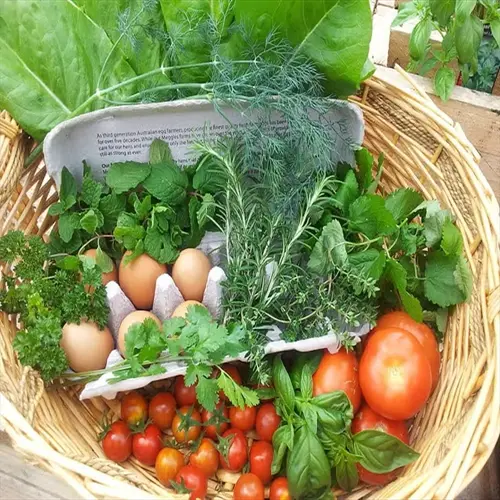
- What to plant: Grow dill, fennel, yarrow, and similar flowers that give nectar and shelter to these good bugs.
- What to skip: Broad sprays kill more helpers than pests. This makes your bug problem worse over time.
Deal With Ants
- Why it matters: Ants guard aphid colonies from predators and spread bugs to new plants around your garden.
- Block access: Put sticky bands around tree trunks and shrub stems to stop ants from reaching aphid groups.
- Find the source: Track down ant nests near your worst plants and treat them to break the farming deal for good.
Good aphid cycle prevention needs many tricks at once. Guard plants hide your veggies by scent. Less fertilizer slows lush growth. Predator plants keep the good bugs nearby. Regular checks catch new arrivals. Ant control removes aphid guards.
Check your plants twice a week during spring and early summer. Look at leaf bottoms on random plants across your garden. Finding ten aphids early beats fighting thousands later. Staying alert is your strongest tool.
Accept that some aphids will always show up. Your goal isn't zero bugs forever. Your goal is keeping numbers low enough that they never blow up. A few aphids on your roses won't hurt much. Thousands will. Keep counts down and plants stay strong.
I tested these tricks in my own garden for three years. Building a mixed garden takes time. It took me two full seasons before I saw big changes. But now my aphid counts stay low. Your garden will get tougher against bugs if you stick with the plan.
Read the full article: Aphids on Plants: How to Identify and Control