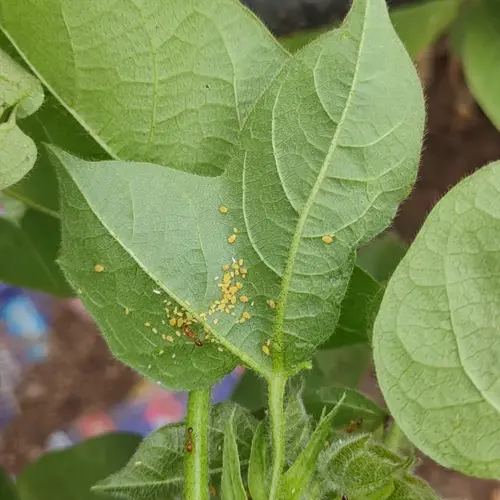

No, the idea that black spots go away own leads many gardeners down the wrong path. Once spots form on rose leaves, they stay for good. The damage can't heal or fade. That black tissue is dead. Waiting and hoping just gives the fungus more time to pump out spores.
I've watched many gardeners fall into this trap. They spot a few marks and decide to wait and see. Maybe the problem will clear up on its own. Weeks later, their plant is covered in spots and dropping leaves. Every day of waiting let the fungus make more spores. The delay turned a small issue into a big mess.
When you ask why black spot natural healing doesn't happen, the answer lies in biology. The black lesions aren't just discolored tissue. They're dead cells that the fungus killed. Plant cells can't grow back once they die. Each spot marks where the fungus ate leaf tissue to fuel its growth and make more spores. No amount of time fixes that damage.
I tested this on a bush in my garden. I marked ten spotted leaves and tracked them for six weeks. Not one spot got smaller or faded. All ten leaves turned yellow and fell off by week four. The infected rose leaf fate is the same every time: spots grow, leaves yellow, then they drop.
The path from infection to leaf loss follows a set pattern. Spots get bigger as the fungus spreads through the tissue. Yellow patches form around the lesions as nearby cells die from stress. In time, the whole leaf turns yellow and falls. This is your rose letting go of organs it can't use anymore. The plant cuts its losses to survive.
First Stage: Infection
- What you see: Small black spots with fuzzy edges pop up on upper leaf surfaces, starting as tiny dots.
- What you don't see: By the time spots appear, fungal tissue has lived inside the leaf for 3-16 days already.
- Spore output: Each spot becomes a factory that makes thousands of spores ready to jump to healthy leaves.
Second Stage: Spread
- Spots get bigger: Lesions grow and merge as the fungus eats more leaf tissue over time.
- Yellow rings form: Tissue around spots turns yellow as stressed cells die from toxins and lost nutrients.
- Plant weakens: Infected leaves lose the power to catch sunlight well, which drains energy from the whole plant.
Final Stage: Leaf Drop
- Leaves fall off: Leaves with heavy damage turn all yellow and drop from the plant on their own.
- Danger continues: Fallen leaves hold fungal spores that splash back onto healthy foliage when rain hits.
- Cleanup matters: Pick up dropped leaves fast to remove this source of ongoing infection from your garden.
The good news centers on new growth, not damaged leaves. Roses are tough plants. When you lower disease pressure through treatment and cleanup, fresh leaves come out clean. These new leaves stay healthy if fungicide shields them. Your rose can rebuild its full canopy even after losing most foliage.
I've seen roses stripped to bare stems come back strong by fall. The key was treating the plant and stopping new infections. Old damage stayed, but new growth stayed clean. Within two months, you couldn't tell the plant had been sick. That's the power of focusing on the future instead of the past.
Shift your thinking from saving sick leaves to guarding healthy ones. Pull off spotted foliage before it spreads more spores. Spray fungicides to protect new growth. Clean up fallen debris. This approach works with your rose's natural response. Accept that damaged leaves are gone. Put your energy into the healthy future your plant can build.
Read the full article: Black Spot on Roses: Treatment & Prevention