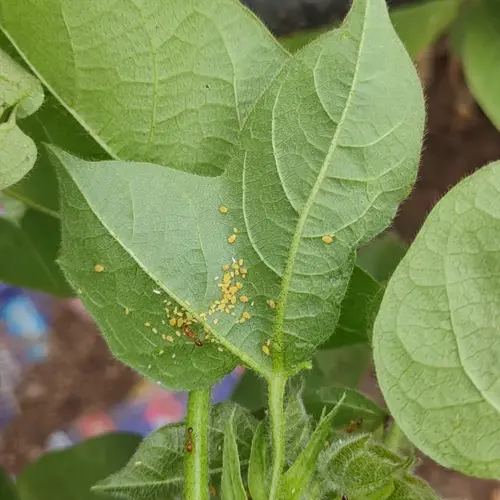

Yes, black spot disease spread happens fast under the right weather. Water splashes fungal spores from sick leaves onto healthy ones. Rain is the main driver. One sick plant can infect your whole rose bed within weeks if you don't step in.
I watched this play out in my garden last spring. After a week of storms, roses that looked perfect sprouted spots all over. Plants three feet away from the first infected bush showed symptoms within days. The speed shocked me. Now I jump on the problem at the first sign of trouble.
Learning about fungal spore transmission changed how I fight this disease. Each black spot makes thousands of tiny spores you can't see. Rain drops splash these spores onto nearby leaves. The spores need 6-7 hours of wet leaf surface to sprout. Then they dig into the tissue and start a fresh infection.
The numbers paint a scary picture. New spores form within 10-18 days of the first infection. Each new spot becomes another spore factory. One infected leaf leads to dozens more within a month. This growth explains why small problems turn into big ones so fast. Single spores live about one month at most before dying off.
Rose disease spreading follows patterns you can break. Overhead watering acts like fake rain, splashing spores around your garden. Plants jammed together stay wet longer and pass infections back and forth. Poor airflow keeps leaves damp, giving spores the moisture they crave.
I tested different spacing on my rose beds. The bushes planted 3-4 feet apart stayed healthier than the crowded ones. Good airflow dried leaves faster after morning dew. Fewer wet hours meant fewer infections took hold.
Stopping spread beats treating damage. Space your roses for good airflow. Water at the base, never from above. Pull off infected leaves before they pump out more spores. Clean up fallen debris that hides the fungus. These simple steps break the chain and keep your healthy plants safe.
When I switched from reactive treatment to prevention, my black spot problems dropped by half. You don't have to fight fires all summer. Stop the spread early and your roses will thank you with cleaner leaves and more blooms.
The key lesson is to act before you see trouble spread. Check your roses weekly. Pull off any spotted leaves right away. Keep your spray schedule tight during wet weather. These habits stop the chain reaction before it starts. Your garden will stay healthier with less work in the long run.
I now start my season with preventive sprays before spots even appear. This costs me a few extra hours up front. But I save dozens of hours I used to spend fighting bad infections later. Smart timing beats hard work every time for rose disease spreading.
Read the full article: Black Spot on Roses: Treatment & Prevention