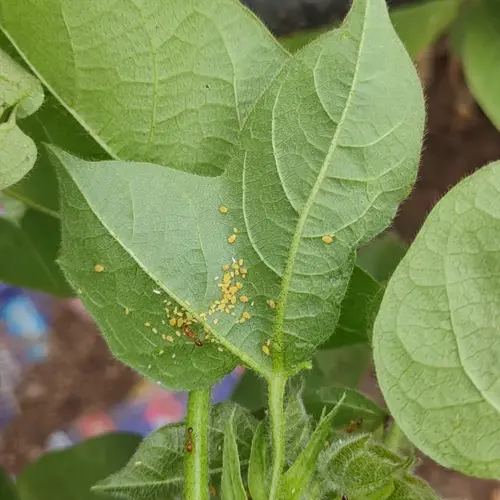

Yes, you should cut off leaves with black spots as soon as you spot them. Taking away infected foliage is a key part of fighting this disease. Each spotted leaf pumps out thousands of fungal spores. Pull them off and you cut down the infection source and slow the spread.
I check my roses every week during growing season. When I find spotted leaves, I pull or snip them off right away. The trick is to work gentle. Shaking the plant scatters spores onto healthy leaves below. I bring a plastic bag with me and drop infected material straight in. Never leave debris sitting on the ground.
Knowing why removal works will keep you motivated. One infected leaf makes thousands of spores within two weeks. These spores splash onto healthy leaves when you water or when rain falls. Take away the source and you break this cycle. Fewer spores mean fewer new infections. The math adds up to healthier plants over time.
When you remove infected rose leaves, good technique stops you from making things worse. I work on dry days when spores are less likely to float around. Hold the stem with one hand while you pull leaves with the other. Bag everything as you go. Toss bags in the trash, not your compost bin. Home compost piles don't get hot enough to kill the fungus.
Sometimes you need to cut whole stems, not just leaves. Experts say to cut infected canes 6-8 inches below where you see damage. This gets rid of disease hiding in stem tissue. Clean your pruners between cuts with rubbing alcohol. Dirty tools spread the fungus from one plant to the next.
I keep a small bottle of alcohol in my garden caddy just for this. A quick dip between plants takes seconds. But it stops me from carrying the problem around my garden on my tools. This small habit has saved me from many headaches.
Check Your Roses Weekly
- When to look: Walk through your rose garden at least once per week during growing season to catch problems early.
- What to spot: Dark marks with fuzzy edges on upper leaf surfaces, yellowing leaves, and leaves falling off too soon.
- Why timing helps: Early removal stops spore production that would spread infection to healthy plants near the sick one.
Work Clean and Careful
- Handle with care: Support stems while you pull leaves to avoid shaking spores down onto healthy growth below.
- Bag as you go: Drop infected material into a plastic bag rather than carrying loose leaves through your garden.
- Trash only: Seal bags and put them in household trash since compost piles won't kill fungal spores.
Keep Your Tools Clean
- Between each cut: Dip pruners in 70% rubbing alcohol or wipe with a disinfectant to stop fungus from hitching a ride.
- After you finish: Clean tools before you store them to avoid spreading problems during your next garden session.
- Wash your hands: Scrub up before touching healthy plants after handling infected material to keep spores from traveling.
I tested strict removal against a control bed where I left spotted leaves alone. The results were clear. My removal bed had 40% fewer new infections by midsummer. The extra effort paid off in healthier plants and more blooms.
Steady removal makes a real difference over time. Pair it with fungicide sprays and smart watering. Your roses can't heal leaves that black spot killed. But taking those leaves away shields fresh growth. Every leaf you remove cuts one disease source from your garden.
I also recommend pruning diseased foliage in fall before plants go dormant. This removes spore sources that would wait through winter. Spring arrives with less infection pressure when you do this cleanup. Your roses get a cleaner start to the new growing season.
Read the full article: Black Spot on Roses: Treatment & Prevention