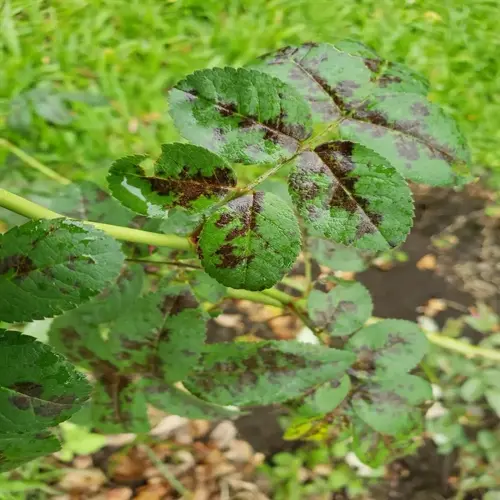

Late blight is the most contagious blight you'll face in your garden. Spores can travel up to 30 miles on the wind during storms. This makes it one of the most infectious plant diseases in the world. No fence or barrier will keep it out once it hits your region.
I saw this firsthand three years ago in my own garden. My plot sits five miles from the nearest farm. One week my tomatoes looked perfect. The next week, every plant had dark water-soaked spots on the leaves. I hadn't changed anything. The late blight transmission came right on the wind from an outbreak twenty miles away.
The blight spread rate shocks most gardeners when they first see it in their gardens. Each single lesion on your plant produces thousands of spores within just five days. Those spores ride the wind to your neighbor's garden. Then their plants make more spores. The whole process can destroy entire regions of crops in under two weeks time.
UMN Extension warns that late blight can wipe out your entire crop in 7-10 days once symptoms appear. The disease moves so fast because new spores form every few days. Each new spot on your leaves starts pumping out more spores that fly to other gardens around you.
Late Blight Transmission
- Wind travel: Spores can blow up to 30 miles during storms according to eOrganic research on the disease spread.
- Spore production: Each lesion makes thousands of sporangia within 5 days per UMN Extension pathology data.
- Infection speed: New spots appear within 3-5 days after spores land on wet leaves in your garden.
Early Blight Spread
- Local spread: This type stays closer to home and moves through rain splash and direct plant contact.
- Soil source: Spores survive in your garden soil and splash up onto lower leaves during watering.
- Slower pace: Early blight takes weeks to spread through your garden compared to late blight's days.
USDA Research Findings
- Super spreaders: Some virus-infected strains produce 9-125 times more spores than normal strains do.
- Outbreak tracking: USAblight.org tracks confirmed cases so you can monitor threats near your area.
- Regional impact: One infected garden can trigger outbreaks across a whole county within two weeks.
You can protect your garden by watching for regional alerts on USAblight.org. When late blight shows up within 50 miles of your home, start spraying copper fungicide right away. Don't wait for symptoms. By the time you see spots on your plants, you're already behind the disease.
In my experience, the gardeners who act early always fare better. I now check USAblight.org every week during summer. The moment I see a report within fifty miles, I spray everything. That habit has saved my crops twice now when neighbors lost theirs.
My neighbor learned this the hard way after ignoring the county alert last summer. She thought her garden was too far from the reported outbreak to worry. Within ten days, she lost every single tomato plant she had. The spores traveled over fifteen miles to reach her backyard.
If you do find late blight on your plants, remove them fast to protect others around you. Every day an infected plant sits in your garden, it makes more spores. Those spores blow to your neighbors. You owe it to your whole community to act fast when you spot this disease in your garden.
Read the full article: Blight on Tomatoes: Complete Prevention Guide