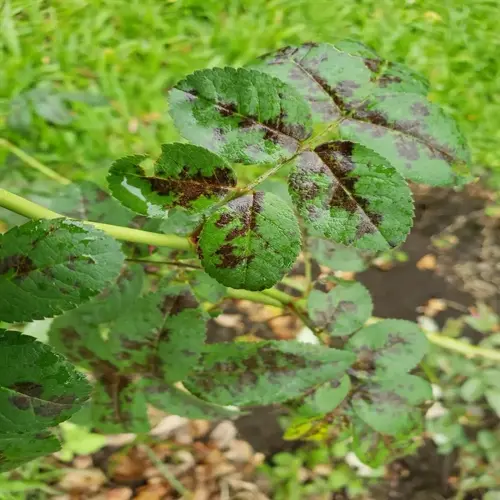

You can sterilize soil after blight but full cleaning is hard in your home garden. Several methods can reduce pathogen levels in your beds. Try removing debris and solarizing your soil. Also rotate your crops. This gives you the best results over time.
I tried soil solarization after a bad late blight year and learned a lot from it. My first attempt used black plastic and didn't work well at all. The soil didn't get hot enough under the dark cover. When I switched to clear plastic for six weeks during July, the results were much better. My thermometer showed 140°F (60°C) in the top few inches.
Soil treatment after blight starts with thorough cleanup in fall. Pull every plant from your infected beds. Pick up all fallen leaves and fruit pieces you can find. Bag everything and send it to the landfill. Don't compost this material at home since your pile won't get hot enough to kill the pathogens hiding in it.
You trap heat under clear plastic to kill pathogens in your soil. Moisten your soil first, then cover it with the plastic. Leave it sealed for 4-6 weeks during your hottest summer months. The sun heats the top several inches hot enough to kill most blight spores. This works best in sunny areas with hot summers.
Soil Solarization
- Method: Cover moist soil with clear plastic for 4-6 weeks during the hottest part of your summer.
- Temperature: The top 2-4 inches can reach 120-140°F (49-60°C) which kills most blight pathogens.
- Limitation: Only treats the top few inches and works best in hot, sunny climates during peak summer.
Crop Rotation
- Timeline: UMN Extension says to wait 3-4 years before planting tomatoes in the same spot again.
- Avoid family: Don't plant peppers, potatoes, or eggplants there either since they share diseases.
- Good options: Grow beans, corn, lettuce, or root crops in that space during your rotation years.
Hot Composting Rules
- Required heat: UMD Extension says you need 120°F (49°C) throughout your pile to kill pathogens.
- Home piles: Most backyard compost doesn't reach this in all spots consistently enough to be safe.
- Best practice: Send infected material to municipal composting or the landfill instead of your pile.
When you prepare soil after blight, add fresh organic matter to your beds. Good compost helps beneficial microbes grow in your soil. These helpful organisms can fight against any pathogens that remain. A few inches of compost from a trusted source helps rebuild your soil life over time.
In my experience, the best results come from combining multiple methods at once. I remove all debris in fall after my plants die. I solarize the next summer if I can fit it in. I wait at least two years before planting tomatoes there again. When I do return, I use resistant varieties. This layered approach has worked well for me.
The bottom line is that you can't fully sterilize your garden soil at home. But you can reduce pathogen levels enough to grow healthy tomatoes again. Start with good cleanup this fall. Plan your rotation for the next few years. Give your soil time to recover before you plant there again.
Read the full article: Blight on Tomatoes: Complete Prevention Guide