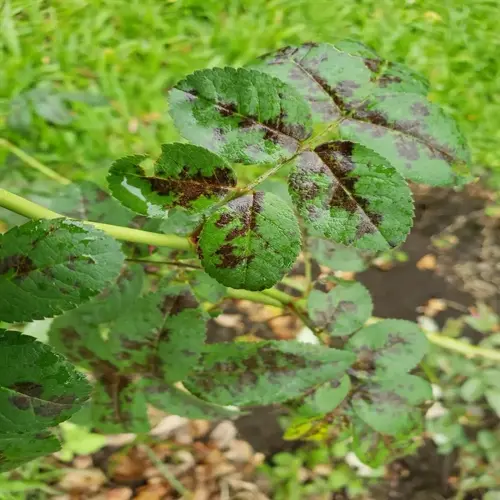

You can get rid of tomato blight if you catch it early and act fast. Once blight takes hold of more than 30% of your plant, saving it becomes very hard. The key is acting within 24 hours of spotting the first symptoms. Quick response makes all the difference in your garden.
I learned this the hard way my second year growing tomatoes. I spotted brown spots on lower leaves and figured I'd deal with it later. By Sunday, half my plants had yellowing leaves with dark lesions. That delay cost me eight plants. The next season, I caught early blight on day one and treated it right away. That quick action saved every plant in my garden.
Here's what most gardeners don't realize about blight treatment methods. Fungicides don't heal damaged tissue at all. They only protect healthy leaves from new infections. That brown spotted leaf will never turn green again. This is why removing infected foliage matters so much. You're slowing the spread while you protect what remains healthy.
To remove tomato blight infected leaves, you need clean pruners. Cut below any visible damage by at least two inches. Wipe your tools with rubbing alcohol between every cut you make. Never toss infected material in your compost pile. Bag it and throw it in the trash instead. Those spores survive composting and will return next season.
Fungicide Application Schedule
- Timing: Apply fungicides every 5-7 days during active infection following NC State Extension guidelines for best results.
- Organic option: Copper fungicides work for organic growers but must coat leaves before spores land to provide protection.
- Conventional choice: Chlorothalonil products like Daconil offer broader protection and longer residual activity on leaves.
Leaf Removal Technique
- Cut location: Remove entire leaflets showing any brown spots, cutting at least 2 inches below visible symptoms.
- Tool sanitation: Wipe pruners with 70% rubbing alcohol between each cut to avoid spreading spores to healthy tissue.
- Disposal method: Bag all infected material right away and send to landfill since home compost won't kill these spores.
Environmental Modifications
- Air circulation: Prune interior branches and remove lower leaves touching soil to speed drying after rain or watering.
- Watering change: Switch to drip irrigation or soaker hoses since overhead watering spreads spores and keeps leaves wet.
- Mulch barrier: Apply 3-4 inches of clean straw mulch around plants to stop soil-borne spores from splashing up.
You should check your plants every morning without fail. Blight moves fast during warm, humid weather. One day of delay during a wet spell can cost you many leaves. Walk through your garden with your coffee. Look at both sides of lower leaves where problems start first.
I now keep a spray bottle of copper fungicide ready at all times in my shed. The morning I spot any suspect spots, treatment goes on that same day. This habit alone has cut my losses by more than half compared to my early gardening years. Speed matters more than perfection when you're fighting blight.
Sometimes you have to face the hard truth about your plant. When stems show dark lesions, you need to pull that plant out. When more than a third of the leaves are affected, you're fighting a losing battle. Double bag it and toss it in the trash. Your remaining plants will thank you for cutting the spore load in your garden.
The good news is that plants caught early often bounce back strong. Those with less than 20% damage have the best chance. New growth appears above the infection zone over time. Keep your fungicide applications going through harvest. You'll still get tomatoes from your garden. Getting rid of blight means management, not miracles.
Read the full article: Blight on Tomatoes: Complete Prevention Guide