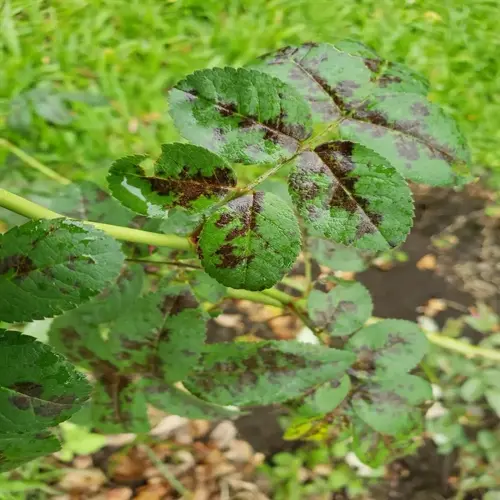

Yes, you can save tomatoes from blight if you catch the disease early enough. Plants with less than 20-30% damage have the best chance of tomato blight recovery. Severe late blight often requires removal to protect the rest of your garden from spreading spores.
In my experience, I've tried to save plants at every stage of infection. You can expect the ones with just a few spots on lower leaves to bounce back strong. The ones where you see dark lesions on stems won't make it. That stem damage is your line to watch for in your garden.
I had my best tomato blight recovery two summers ago. I had a plant I almost pulled out. It had spots on about a quarter of its leaves. I removed all the sick foliage and sprayed copper. Within three weeks, it was putting out new healthy growth. I still got twelve good tomatoes from that one plant.
Several factors shape plant survival blight results in your garden. The type of blight matters most to you. Early blight spreads slower and gives you more time to act. Late blight moves fast. UMN Extension says late blight can strip all the leaves off your plants in just 7-10 days.
Weather plays a huge role in your chances too. If rain and humidity are coming for the next week, saving sick plants gets much harder. Wet leaves let the disease spread faster than you can treat it. Dry weather gives you a fighting chance to turn things around.
Save Your Plant If
- Damage level: Less than 20-30% of leaves show symptoms and the stem looks clean and healthy.
- Leaf only: Spots appear only on leaves with no dark lesions on stems or fruit damage.
- Weather outlook: Dry weather is coming which helps slow the spread and lets fungicide work better.
Remove Your Plant If
- Stem lesions: Dark spots on the main stem mean the disease has gone systemic in your plant.
- Fruit damage: Infected fruit spreads spores fast and signals the plant is too far gone to save.
- Heavy infection: More than 50% of the plant shows symptoms even after treatment attempts.
The Recovery Protocol
- Remove infected parts: Cut off all affected leaves at least 2 inches below any visible symptoms.
- Apply fungicide: Spray the entire plant with copper fungicide right after pruning the sick parts.
- Repeat treatment: Apply again every 5-7 days until symptoms stop spreading to new areas.
WVU guidance says you can harvest unblemished fruit from sick plants. Pick any tomatoes that look clean before you make your decision about the plant itself. Those tomatoes are safe to eat fresh. Just don't store them long-term since hidden infections may develop.
When I first started, I lost two plants by trying to save them too long. The blight jumped to my healthy plants while I waited to act. Make your removal calls faster than I did. One sick plant isn't worth losing six of your healthy ones. Pull early if you see stems infected.
My neighbor had better luck than me last year with her plants. She found early blight on half her Roma plants. She pulled the worst ones right away. You can learn from her success. Treat your remaining plants with copper fast. Quick action can save your harvest.
When you do remove a plant, don't just pull it and leave the debris around. Bag the whole thing right in the garden. Take it out without shaking spores around your beds. Send it to the trash, not your compost pile at home. Those spores will survive and come back.
The bottom line for your garden is simple. Early blight on less than a third of your plant can often be managed with quick action. Late blight and stem lesions mean it's time to pull that plant out. Act fast either way you decide. Waiting costs you more plants in the long run.
Read the full article: Blight on Tomatoes: Complete Prevention Guide