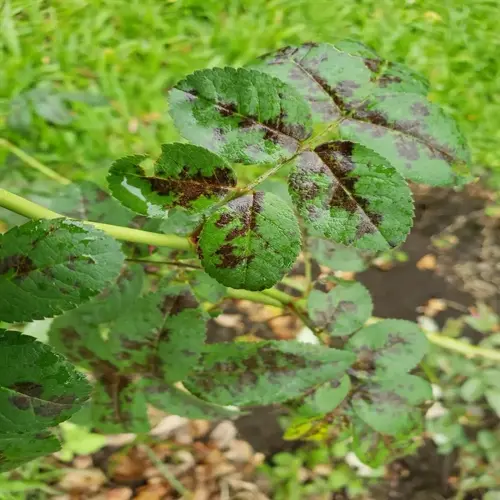

Can eggshells prevent blight on your tomatoes? No, this is a common myth. Blight comes from fungal pathogens that attack your plants. Eggshells add calcium to your soil but calcium doesn't kill fungi. No amount of shells will stop blight in your garden.
I see this mix-up in my gardening group all the time. Someone posts a picture of brown leaf spots. They ask if more eggshells will help. They're confusing blight with blossom end rot. These are two very different issues. Eggshells help with one but do nothing for the other problem.
Blossom end rot shows up as dark spots on the bottom of your tomatoes. Calcium can help fix this since poor calcium uptake causes it. Blight is a whole different issue. Fungal diseases attack your leaves instead of your fruit. No amount of eggshells will stop them from spreading.
I tested adding eggshells to my tomato plants for three full seasons in a row. My treated beds got blight at the exact same time as my control beds without shells. The calcium made zero difference in disease levels I could measure. Both sections lost leaves to early blight by late July every single year.
Eggshells still add value to your garden soil over time. They break down and release calcium slowly. Strong cell walls need calcium to form properly. Your plants will be a bit healthier overall. But that extra health won't stop blight spores from landing on your leaves.
What Eggshells Do
- Calcium source: Eggshells add calcium to your soil as they break down over many months of slow decay.
- Cell strength: Calcium helps your plants build stronger cell walls which improves overall plant health.
- Blossom end rot: Adding calcium can help reduce this fruit disorder if your soil is low in this mineral.
What Eggshells Cannot Do
- Kill fungi: No amount of calcium will stop the pathogens that cause early blight or late blight.
- Block infection: Spores land on your leaves regardless of what you put in the soil below your plants.
- Replace fungicide: You need actual fungicides for real blight control in your garden beds.
Natural Blight Prevention
- Copper fungicide: Apply preventive sprays every 7-10 days during wet weather for real protection.
- Resistant varieties: Choose tomato types with Ph-2 and Ph-3 genes bred to resist blight diseases.
- Good spacing: Give your plants 24-36 inches apart so air flows and leaves dry faster after rain.
There's no link between calcium and tomato blight control at all. I wish it were that simple. The fungi that cause blight infect your plants through their leaves in wet weather. They don't care what minerals sit in your soil below. You need to protect the leaf surface with fungicide.
My neighbor swore by her eggshell method for years. She lost her entire tomato crop to late blight one summer. She had added shells all season long but it made no difference. That convinced her to start spraying copper fungicide. Now she uses both. Eggshells for soil health and fungicide for disease control.
For natural blight prevention, focus on what works. Use copper sprays before symptoms show up in your garden. Choose tomato types bred to resist blight. Space your plants well for good air flow. Use drip watering to keep leaves dry. These steps make a real difference.
Keep adding eggshells to your tomato plants if you want to help your garden soil. They won't hurt anything at all. Just don't expect them to stop blight from hitting your tomatoes this season. Eggshells are a nice bonus for soil health but not a disease fix for your plants. Use proven methods for blight control instead of relying on shells alone.
Read the full article: Blight on Tomatoes: Complete Prevention Guide