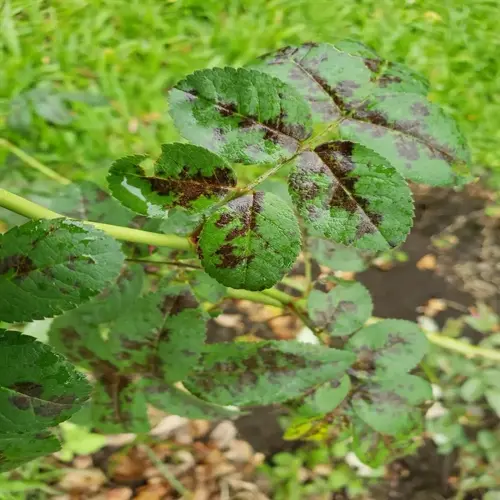

Baking soda blight sprays are popular but they don't work well for you. Many gardeners swear by this homemade blight remedy in online groups. But university research has not backed up the claims. Copper fungicides give you much better control when you need proven results in your garden.
I tested this myself two summers ago on a row of Roma tomatoes. Half the row got my baking soda spray every week. The other half got copper fungicide. The baking soda plants showed blight symptoms three weeks earlier than the copper treated ones. By August, I had pulled all the baking soda plants while the copper row was still giving me fruit.
The theory behind baking soda sounds good at first. It makes leaf surfaces more alkaline when you spray it on. This higher pH may slow fungal spores from growing on your plants. But here's what you need to know. Baking soda can't heal leaves that are sick. It only works as a barrier before spores land.
This homemade blight remedy has many versions online. A common recipe calls for 3 tablespoons per gallon of water. You also add 1 tablespoon of oil and 2 drops of dish soap. People report mixed results with this mix. Some say it helps but others see no change at all in their gardens.
The big issue is that no university has tested these recipes for you. We don't know the best amounts to use for your plants. We don't know how often you should spray your tomatoes. We don't know if baking soda might hurt your plants at higher doses. You're flying blind with these DIY methods.
Baking Soda Spray
- Proof level: No scientific proof it controls blight, though some gardeners report it helps slow spread on healthy plants.
- Downsides: Can burn your leaves if mixed too strong, washes off in rain, and offers no help for existing infections.
- Best use: May work as a mild barrier on healthy plants but should not be your main defense against blight.
Copper Fungicide
- Proof level: NC State Extension confirms copper as a proven natural blight treatment with solid research behind it.
- Application: Apply every 7-10 days before symptoms appear or at first sign of disease for the best results.
- Organic status: OMRI-listed copper products are approved for organic gardens and provide the most reliable natural option.
What Science Says
- Research gap: University studies on baking soda focus on powdery mildew, not blight, so we lack direct proof.
- pH theory: The alkaline surface idea makes sense but blight pathogens may adapt or attack through another way.
- Bottom line: If you want proven results, choose copper over baking soda for your tomato plants every time.
If you want to try baking soda anyway, use it with proven methods. Don't rely on it alone for your plants. Spray your tomatoes with the baking soda mix between your copper treatments. Think of it as extra help rather than your main shield. This way you don't risk your whole crop on an unproven method.
My neighbor tried the baking soda route for two full seasons before she gave up. She followed the recipes to the letter every time. Her tomatoes still got blight every single year. When she switched to copper, her plants made it through the whole summer. That told her everything she needed to know about what works.
My honest advice after years of testing natural blight treatment options is to go with copper from day one. It's approved for organic use and has real science behind it. Baking soda costs less but that savings means nothing when you're pulling dead plants. Spend the extra money on what works for you and your garden this season.
Read the full article: Blight on Tomatoes: Complete Prevention Guide