Herb · Polygonaceae
Garden Sorrel
Rumex acetosa
Harvested young and cut in succession, garden sorrel yields tart, lemon-toned leaves across the whole growing season.
Full sun
Every 3–7 days
30–75°F · -1–24°C
60–90 days
Overview
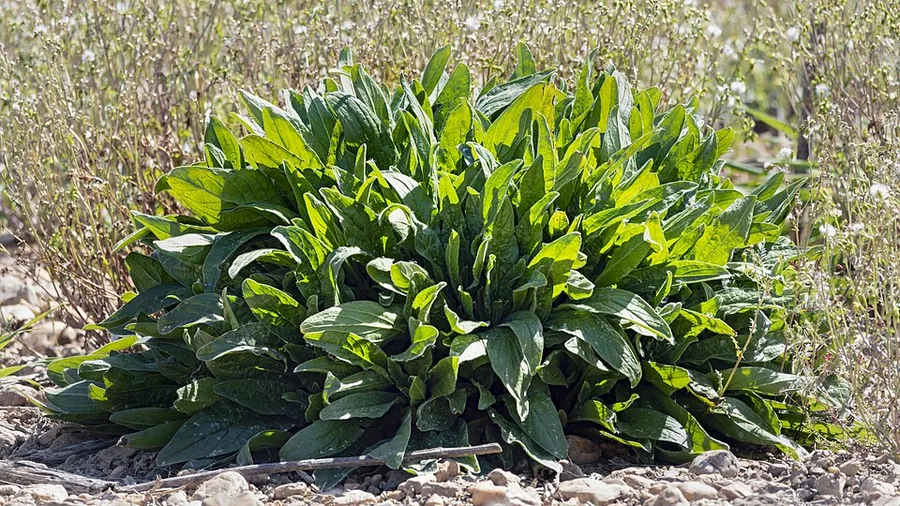
Garden sorrel (Rumex acetosa) is a hardy perennial in the dock family, Polygonaceae, cultivated for its acidic, lemon-sharp foliage. Gardeners have gathered it for centuries and long relied on it as one of the first leafy greens available in spring. Its cold tolerance sets it apart: where tender salad crops fail at the first frost, sorrel continues in growth.
That sharp flavor has a clear chemical basis. The leaves accumulate oxalic acid, the compound responsible for their sour taste and the reason moderation is advised. Young foliage stays mild and tender, while older leaves grow tougher and more bitter as the tissue matures, which is precisely why frequent, early cutting yields the best eating.
Few kitchen-garden plants are as undemanding. Supplied with moist, fertile soil and adequate sun, and kept clear of flowering stalks, a single clump will crop for several years before division becomes necessary.
Care
The short version: site sorrel in full sun to light shade, maintain even soil moisture, and provide rich, well drained ground. Cut the outer leaves in succession and remove flower stalks as they emerge, which keeps the foliage tender and sustains production.
Light
Sorrel performs best in full sun, though it accepts partial shade without loss of health. In hot climates a degree of shade is beneficial, because it lowers the heat load that triggers bolting. Deep shade, by contrast, thins the canopy and leaves growth sparse.
Water
Maintain consistently moist soil, irrigating every 3 to 7 days and more often in dry weather. Even moisture keeps the foliage tender and suppresses the premature flowering that turns the leaves bitter, since a lack of water is itself one trigger for bolting.
Soil
Grow sorrel in fertile, well drained loam enriched with organic matter, which supplies the steady nutrients a leaf crop draws on. It favors slightly acidic conditions near a pH of 5.5 to 6.8, though it is not exacting and establishes in most reasonable garden soils.
Temperature
The plant is adapted to cool and mild conditions, roughly 30°F to 75°F (-1°C to 24°C), and withstands light frost without injury. Sustained summer heat is the principal driver of bolting, so vegetative growth is strongest through spring and autumn.
Humidity
Ambient garden humidity, in the region of 40% to 70%, is entirely adequate, and no adjustment is needed. Air movement around the foliage does more for leaf health than any particular humidity figure.
Feeding
Feed in spring with a balanced or nitrogen-rich fertilizer, or top-dress with compost, to support the leafy growth the plant is grown for. A single seasonal application generally suffices, and excess nitrogen offers no benefit while making the foliage more attractive to aphids.
Pruning
Harvest the outer leaves in succession as a cut-and-come-again crop, and excise flower stalks as soon as they appear, which diverts the plant back into leaf production and preserves tenderness. After flowering, cutting the entire plant back hard prompts a fresh flush of foliage from the crown.
Repotting
A clump remains productive for 3 to 4 years before the center becomes congested and vigor declines. When the middle thins and leaf size drops, lift and divide the plant to reinvigorate the stand.
Size & spacing
Mature plants stand 12 to 24 inches (30 to 60 cm) tall with a spread of 12 to 18 inches (30 to 45 cm). Allot each clump that footprint so it develops fully and air can circulate through the foliage.
When to plant
Sorrel breaks dormancy early because it is cold-hardy. Sow seed indoors in late winter, or direct-sow once the soil is workable in spring, since the plant tolerates cool conditions. Cutting can then continue through the season until frost ends growth.
Northern hemisphere
Southern hemisphere
Typical months for a temperate climate: start earlier in warm zones, later where spring frosts linger.
- Sow: 6-8 weeks before last spring frost
- Plant: Early spring as soon as soil can be worked; cold-hardy and tolerates light frost
- Harvest: Cut outer leaves young and often through the growing season; remove flower stalks to keep leaves tender and mild
Hardiness
USDA hardiness zones: 3–9
Temperature: down to -40°C
Troubleshooting
Sorrel presents few disorders, and the leaves are where nearly all of them register. A short list of pests, together with heat-driven flowering, accounts for most complaints. Identify the symptom below and intervene early, before the plant commits energy elsewhere.
Tall reddish stalks and the shift from leaf to bitter growth
Heat and lengthening days trigger bolting, the plant's transition to reproduction, in which resources move into a flower stalk rather than new foliage. As it bolts, the remaining leaves toughen and turn sour. Cut the stalks the moment they emerge and shear the plant back hard, which redirects it into a fresh flush of tender basal leaves.
Fix:
- Cut off flower stalks promptly
- Shear plant back to encourage fresh basal leaves
Pale serpentine trails mined within the leaf tissue
These blotches are the feeding tunnels of leaf miner larvae, the maggots of a small fly that mine between the upper and lower leaf surfaces. Backlighting a leaf reveals the larva or its frass lodged within the trail. Remove and destroy affected leaves, and eliminate any wild dock nearby, since those weedy Rumex plants are the reservoir the pest emerges from.
Fix:
- Pick off and destroy mined leaves
- Remove nearby wild docks that host the pest
Distorted, sticky new growth colonized by soft-bodied insects
The soft green or black insects massing on the youngest foliage are aphids, which feed by drawing sap from the tender tissue. Examine the leaf undersides for their colonies. A firm jet of water dislodges them, insecticidal soap manages persistent populations, and reducing nitrogen feeding lowers the flush of soft growth that draws them in.
Fix:
- Spray off with a strong jet of water
- Apply insecticidal soap if persistent
Toxicity
Sorrel occupies a moderate position. For people it is a legitimate edible green at normal culinary rates, yet the leaves are rich in oxalic acid, so large servings warrant restraint and animals should take no more than a nibble. The genuine hazard is reserved for grazing livestock, which can ingest enough to become ill.
Toxic to
Cats · Dogs · Horses · Rabbits · Livestock · Birds
Safe for
People
Cats Mild
A small nibble seldom causes harm, but a cat consuming a substantial mouthful of the acidic leaves may drool, paw at its mouth, or vomit as the oxalates irritate. Restrict access to occasional tasting.
Dogs Mild
Most dogs tolerate a leaf or two without effect. A larger quantity of the oxalate-rich foliage can produce drooling, appetite loss, or transient loose, unsettled digestion.
Horses Mild
A horse grazing sorrel in small measure is unaffected. The concern is cumulative intake, as the leaf oxalates can disturb the gut and, in substantial quantity, burden the kidneys.
Rabbits Mild
Provide sorrel only as a minor, occasional green. Its oxalate content means a large portion can produce soft stools or mild gastrointestinal upset, so it should never dominate a rabbit's diet.
Livestock Moderate
This is the principal risk. Cattle, sheep, and goats that graze Rumex foliage heavily can accumulate enough soluble oxalate to cause weakness, digestive disturbance, and, in severe cases, renal damage.
Birds Mild
A peck at the foliage is unlikely to injure poultry, but the high oxalic acid content disqualifies the leaves as a green to be offered in any quantity.
People Edible in moderation
Sorrel is a valued tart green for salads and soups, and a culinary serving is entirely safe to eat. Because the leaves are high in oxalic acid, moderate large raw portions, particularly for anyone predisposed to kidney stones.
Consume sorrel in moderation; the high soluble-oxalate content is a concern in large quantities, particularly for grazing animals.
Helpline numbers

United States
ASPCA Animal Poison Control: (888) 426-4435 (fee applies)

United Kingdom
Animal PoisonLine: 01202 509000 (fee applies)

Australia
Animal Poisons Helpline: 1300 869 738
Varieties
The species itself is what most nurseries offer, but a small number of selections merit a search, chosen for reduced bolting or for more decorative foliage.
Rumex acetosa 'Profusion'
A nearly seed-sterile selection that seldom bolts, extending the harvest of tender foliage well past the point at which the species has flowered and set seed.
Blood-veined sorrel (often sold as a sorrel form)
Distinguished by green blades marked with deep red veins, a trait that suits it equally to salads and to ornamental planting.
How to propagate
Sorrel propagates readily by two routes: raising seedlings from seed, or dividing an existing clump into rooted pieces.
SeedEasy
Spring, after the last hard frost or started indoors 6-8 weeks earlier · 60-90 days to a harvestable plant
Seed is the usual method: sow shallowly into moist, fertile soil in spring, or start indoors 6 to 8 weeks before the last frost. Thin the seedlings so each developing clump has adequate room, and expect a cutting-sized plant within 60 to 90 days.
DivisionEasy
Early spring or autumn · A few weeks once divisions root and resume growth
An established clump divides easily in early spring or autumn. Lift it, separate it into sections that each retain roots and a growing point, and replant. The divisions re-establish within a few weeks, both rejuvenating an aging plant and generating additional stock.
Myths
Sorrel is poisonous and unfit to eat.
This is unfounded. Sorrel is a traditional edible green consumed for centuries, and an ordinary culinary portion is safe. The only real qualification is its high soluble-oxalate content, which makes large raw quantities a concern for individuals prone to kidney stones and for livestock that graze it heavily. In moderate amounts it is a legitimate food, not a poison.