Shrub · Ericaceae
Azalea
Rhododendron
Provide acidic soil, dappled shade, and steady moisture, and the azalea answers with a spring display that holds the eye.
Partial shade
Every 3–7 days
USDA 4–9
2–15 ft · 0.6–4.6 m
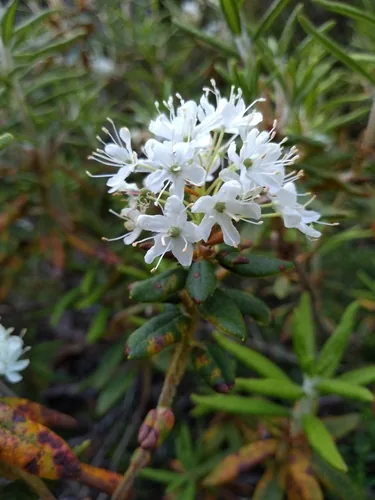
Overview
An azalea coming into flower is among the clearest markers that spring has arrived. Botanically it sits in the genus Rhododendron within the heath family, and the common name spans both evergreen forms that retain their foliage and deciduous forms that shed it. The majority stay modest in scale, while a handful of native deciduous types grow tall enough to pass for small trees.
The common thread across every azalea is a requirement for acidic, well-drained soil and the broken shade cast by taller trees overhead. Its roots sit shallow, close to the surface, which explains why the plant resents drought and waterlogging in equal measure. Get the soil chemistry and the siting right, and you have a long-lived, slow-growing shrub that demands little attention.
The flip side is that a poorly placed azalea reports its discomfort quickly. Excess sun, too much lime, or standing water translate into scorched foliage, interveinal yellowing, or a plant rotting quietly at the roots. Match the plant to the site, and most of that trouble is designed out from the start.
Care
The short version: broken shade with protection from harsh afternoon sun. Hold the shallow roots evenly moist with roughly an inch of water weekly, plant into acidic, well-drained soil high in organic matter, and mulch to conserve moisture while keeping the material clear of the stem.
Light
Azaleas want dappled or partial shade, the broken light found beneath tall trees. Cooler climates let them take more sun, but harsh afternoon exposure scorches the foliage and stresses plants into lace bug attack, while deep shade thins the bloom.
Water
Keep the shallow roots evenly moist with roughly an inch of water a week, adding a deep soak whenever the top of the soil dries. Water at ground level with a soaker or drip line rather than overhead, since wet foliage and flowers invite disease, and never let the soil go soggy, which suffocates the roots and triggers rot.
Soil
Plant into acidic, well-drained soil rich in organic matter, holding the pH between 4.5 and 6.0. Alkaline ground ties up iron and yellows the leaves, so test before planting and acidify where the reading runs high.
Temperature
Azaleas are hardy over a broad span, enduring winter lows near -22°F (-30°C) and summer highs to 95°F (35°C) according to type. Select a variety rated for your zone and the plant carries through the seasons without fuss.
Humidity
Ordinary outdoor humidity suits them, so there is no target figure to track. Air movement counts for more than any reading, because still, damp air around crowded plantings is what allows leaf and flower diseases to establish.
Feeding
Feed once, immediately after the spring flowers fade, with an acid-forming azalea or rhododendron fertilizer. Stop by early July so any soft, late growth can harden before frost arrives, and let the plant's appearance and a soil test set the rate.
Pruning
Prune right after the spring bloom, before the plant lays down next year's buds, or you will remove the coming flowers along with the wood. To renew an overgrown specimen, cut it back hard before spring growth resumes and accept the loss of that year's bloom; pinch new shoots once they reach 6 to 12 inches to build a denser frame.
Repotting
Azaleas seldom need repotting and prefer to remain undisturbed. In a container, watch for roots circling the surface, water draining straight through, or stunted growth and weak flowering, each a cue to step up a pot size.
Size & spacing
Mature dimensions vary sharply by type, from tidy 2-foot mounds to natives that reach 2 to 15 feet (60 cm to 4.6 m) tall and spread 2 to 10 feet (60 cm to 3 m) wide. Confirm the variety's eventual size and allow it that much room, so it never has to be cut back hard simply to fit the space.
When to plant
Plant azaleas in spring or fall, during mild weather, so the roots can establish before summer heat or winter cold sets in. The principal display arrives in spring as the buds break, with some evergreen and reblooming types flowering again into summer or fall. Prune immediately after the spring flowers fade, ahead of next year's bud set.
Northern hemisphere
Southern hemisphere
Typical months for a temperate climate: start earlier in warm zones, later where spring frosts linger.
- Plant: Spring or fall
- Harvest: Spring (some evergreen and reblooming types flower into summer or again in fall)
Hardiness
USDA hardiness zones: 4–9
Temperature: down to -34°C
Troubleshooting
Most azalea problems register on the foliage before anywhere else, whether that is pest stippling, yellowing from the wrong soil chemistry, or a slow wilt that signals trouble at the roots. Reading those early signs lets you intervene before a minor issue claims the whole plant. Match what you observe below, then act while the response still counts.
Progressive wilt and dieback traced to the root zone
A general wilt and slow death with nothing wrong up top usually traces to Phytophthora root rot, a pathogen that thrives where soil stays wet and oxygen-starved. Excavate the base and you will find dark, decayed roots in ground that never drains, a condition often caused by setting the shrub too deep or in a low pocket that collects runoff. Fungicides will not save it. The fix is mechanical: correct the drainage, stop overwatering, and replant into a raised, well-drained acidic bed with the root ball at or just above grade so the crown can breathe.
Fix:
- Improve drainage and stop overwatering
- Replant in raised, well-drained acidic beds, setting the root ball at or slightly above grade
Bleached stippling across the upper leaf surface, dark frass dots beneath
Stippling on the upper surface points to the azalea lace bug, an insect that punishes plants sited in hot, exposed sun. Turn a leaf over to confirm: the flat, clear-winged adults and spiny black nymphs feed there, leaving glossy dark droppings behind. Because the damage happens on the underside, direct your horticultural oil or insecticidal soap there, then repeat as later broods emerge. A mulched, well-watered shrub stays vigorous enough to resist the worst of it.
Fix:
- Spray horticultural oil or insecticidal soap on the undersides of leaves where the insects feed
- Repeat applications as needed to cover new generations
- Keep plants vigorous with mulch and adequate moisture
Interveinal yellowing while the leaf veins hold their green
Yellow tissue framed by green veins is the signature of iron chlorosis. The cause is a pH problem: once soil drifts above the acidic range, the roots can no longer take up the iron the plant needs to build chlorophyll. You will see it most often near foundations, where lime leaching from concrete raises the pH locally. Confirm with a soil test, then correct the chemistry using elemental sulfur or iron sulfate. A chelated iron foliar spray works faster but only as a stopgap.
Fix:
- Acidify the soil with elemental sulfur or iron sulfate based on a soil test
- Apply chelated iron as a foliar spray for quicker temporary correction
Toxicity
Treat this plant with caution around animals and children. Every part of an azalea contains grayanotoxins, and even a few leaves can poison a cat, dog, horse, or grazing animal, striking the digestive tract, the nervous system, and the heart. Keep the shrubs, prunings, and fallen leaves away from pets and livestock, and contact a vet or poison control at the first sign that anything has been eaten.
Toxic to
Cats · Dogs · Horses · Rabbits · Livestock · Birds · People
Cats Severe
Even one or two leaves can set off drooling and vomiting in a cat within hours, followed by weakness and an unsteady gait. Grayanotoxins act directly on the cardiovascular system, so a racing or irregular heartbeat is a warning sign, and severe cases progress to collapse, coma, or death. Treat any suspected ingestion as a same-day emergency.
Dogs Severe
The picture in dogs mirrors cats: heavy salivation, vomiting, and diarrhea come first, then weakness and a staggering, uncoordinated walk. Because the toxins suppress blood pressure and disrupt heart rhythm, a dog that ate enough can collapse or die. Do not wait for symptoms to settle; get the animal to a vet without delay.
Horses Severe
Body size offers a horse no real protection, and browsing azalea brings on drooling, weakness, and a clumsy, stumbling walk. Grayanotoxins throw the heart rhythm off and lower blood pressure, and a poisoned horse may lie down and struggle to get back up. The condition can be fatal, so call the vet the moment poisoning is suspected.
Rabbits Toxic
The grayanotoxins dangerous to cats and dogs make azalea a genuine hazard for rabbits too, and their small body mass leaves almost no margin for error. Look for digestive upset, lethargy, and a weak, wobbly animal, and respond to any nibble as urgent. Store clippings and fallen leaves well clear of hutches and runs.
Livestock Toxic
Goats, sheep, and cattle are all poisoned by azalea, and incidents typically begin in winter when pasture forage thins and animals turn to the shrubs. Drooling, repeated vomiting or regurgitation, a swollen belly, weakness, and an irregular heartbeat follow, and a large enough dose kills. Fence stock away from any plantings and never discard prunings into a pasture.
Birds Toxic
Grayanotoxins affect birds as well, so keep pet and backyard birds away from the leaves, flowers, and nectar entirely. A poisoned bird tends to go quiet and weak, refuse food, and develop an unsteady, off-rhythm heartbeat. With so little body weight to absorb the dose, even small amounts pose a serious threat.
People Caution
No part of an azalea is edible, and children must be kept from chewing the leaves or flowers. Eating plant tissue, or honey produced from the nectar, can trigger a burning mouth, nausea, dizziness, a slowed heartbeat, and falling blood pressure. A fatal dose is rare in adults, but anyone who has swallowed any part should contact poison control.
Keep plants, prunings, and fallen leaves away from pets and grazing animals.
Helpline numbers

United States
ASPCA Animal Poison Control: (888) 426-4435 (fee applies)
Poison Control: (800) 222-1222



Canada
Poison Centres: 1-844-764-7669
Varieties
Azaleas run into the thousands, yet they fall into a handful of groups worth recognizing by name. These are the ones most likely to turn up at a nursery.
Kurume hybrids
Compact to medium evergreen azaleas that hold to roughly 2 to 3 feet and cover themselves in small spring flowers; the group includes long-standing names such as 'Hinode Giri' and 'Coral Bells'.
Southern Indica hybrids
Vigorous, large evergreen azaleas reaching 5 to 8 feet tall and as much as 10 feet wide, best suited to the warmer end of zones 8a to 8b; 'Formosa' is the familiar example.
Encore Group
Reblooming evergreen azaleas of 2 to 5 feet that live up to the name by flowering in spring and putting on a second display in fall.
Rhododendron arborescens (Sweet Azalea)
A native deciduous azalea that reaches 8 to 12 feet or taller and bears fragrant white flowers.
Rhododendron calendulaceum (Flame Azalea)
A native deciduous azalea of 4 to 8 feet, prized chiefly for its blazing orange to red spring flowers.
Companions
Azaleas grow best beside plants that share their love of acidic soil and filtered shade, which is why they sit so naturally under pines and next to camellias.
Plant near
Pine trees: Provide the filtered light shade and acidic, organic, well-drained conditions azaleas prefer.
Camellia: Shares the same acidic-soil, partial-shade requirements and similar care.
How to propagate
There are several ways to increase azaleas, from quick cuttings to slow layering, though growing them from seed is generally left to those breeding new selections.
Stem cuttingsModerate
Mid-June to September, after new growth has hardened · Roots form in about 4 to 6 weeks; plants bloom in 2 to 3 years
Cuttings give you the most reliable copy of a parent azalea. From mid-June to September, once new growth has firmed up, take 2 to 3 inch terminal cuttings severed just below a node, strip the lower leaves, dip the cut base in rooting hormone, and set it into a moist growing mix. Roots develop in about 4 to 6 weeks, but expect to wait 2 to 3 years before the young plant flowers.
LayeringModerate
Late spring on previous year's wood for air layering; stem layering when a flexible branch can reach the ground · Rooting usually occurs within 6 to 12 months
Layering rewards patience and makes sense when you only need a plant or two. For air layering, work on last year's wood in late spring; for stem layering, bend a low, flexible branch down to meet the soil. Wound the stem at the contact point, apply rooting hormone, and keep it moist. Roots generally form over 6 to 12 months.
SeedDemanding
Collect ripe seed in fall and sow on a moist acidic medium · Several years to flowering size
Seed is best reserved for raising species, since hybrids do not come true and the offspring are unpredictable. Collect ripe seed in fall and sow it onto a moist, acidic medium. Plan for the long haul, as seedlings need several years to reach flowering size.
Myths
Nectar toxins cannot survive the hive's honey-making process, so rhododendron honey poses no hazard.
Honey made from grayanotoxin-bearing Rhododendron nectar is capable of poisoning people, a reaction documented for centuries as 'mad honey' sickness. The toxins move from the plant's nectar and pollen into the finished honey, where they remain active. A contaminated batch can cause dizziness, low blood pressure, a slowed heartbeat, and even heart block.
Deep planting in fertile, high-pH soil gives azaleas their best growth.
Every part of that advice runs counter to the plant's biology, because azalea roots are shallow and require acidic, well-drained ground. Set the shrub too deep, or in soggy alkaline soil, and you create the exact conditions for root rot and the yellow, green-veined leaves of iron chlorosis. Plant shallow in acidic soil, and most of the trouble never arises.