Shrub · Ericaceae
Rhododendron
Rhododendron
Match the acidic soil and dappled shade of its woodland origins, and a rhododendron blooms reliably for decades.
Partial shade
Every 3–7 days
USDA 4–8
6–10 ft · 1.8–3 m
Overview
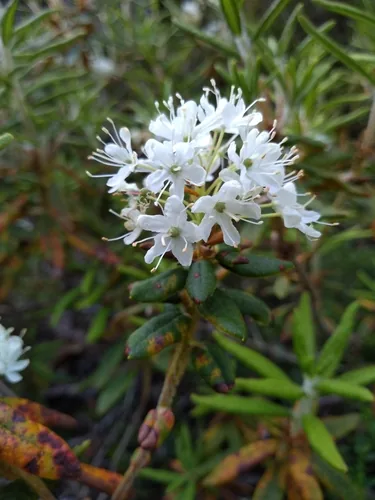
A rhododendron in bloom carries dense trusses of bell-shaped flowers, a hallmark of its genus. As a member of the heath family, Ericaceae, it evolved on cool, shaded slopes where organic matter accumulates and the soil turns acidic, and that origin dictates its culture: overhead shade, consistent root moisture, and a soil that never drifts toward alkaline. Meet those conditions and the plant behaves; miss them and no other intervention compensates.
These shrubs grow slowly and live long, reaching 6 to 10 feet (1.8 to 3 m) and persisting for generations once established. The broad-leaved evergreens retain foliage through winter, which is the source of both their ornamental value and their vulnerability, because those exposed leaves continue to transpire while frozen soil prevents the roots from resupplying water. Correct siting, in shade and out of wind, resolves most of that risk.
One fact governs where it can be planted: the entire shrub is toxic. Leaves, flowers, nectar, and stems all contain grayanotoxins, so it does not belong within reach of grazing livestock, pets, or young children.
Care
The short version: dappled shade, consistent moisture, and an acidic, humus-rich soil that still drains. Plant the root ball high, shelter the foliage from desiccating winter wind, and fertilize only in response to a visible deficiency.
Light
Site a rhododendron in dappled or partial shade, the light regime of a woodland margin. It accepts fuller sun where summers stay cool and deep shade where necessary, but intense full sun overheats the foliage and predisposes the plant to lace bug infestation, which is why exposed, sunny sites are avoided.
Water
Maintain even soil moisture without saturation, since the root system is shallow and intolerant of standing water. Irrigate once the soil is dry at 8 to 12 inches, roughly every 3 to 7 days during dry periods, and continue into fall so the evergreen leaves enter winter fully hydrated and resist desiccation.
Soil
This species requires an acidic, humus-rich, free-draining soil, optimally pH 4.5 to 6.0, the narrow band it is adapted to; outside it the plant falters regardless of feeding. Amend heavy clay with organic matter and set the root ball high, since saturated soil around shallow roots is the leading cause of decline.
Temperature
Hardy selections tolerate a wide thermal range, roughly -29°F to 86°F (-34°C to 30°C). Low temperature alone is seldom lethal; injury arises when frozen soil halts water uptake while wind continues to draw moisture from the exposed evergreen leaves, scorching them.
Humidity
Ambient outdoor humidity is adequate, so no target value applies. The decisive factors are instead consistent soil moisture and wind protection, because leaf water loss, not air humidity, determines whether the foliage desiccates.
Feeding
Fertilize sparingly, and only when a deficiency is evident. Apply an acidic fertilizer formulated at a 3:1:2 or 3:1:3 ratio such as 12-4-8, and time it after flowering in spring; withhold fertilizer at planting.
Pruning
Prune for shape or size control immediately after flowering, before the buds for the next season are initiated, so no developing bloom is removed. Deadheading the spent trusses channels the plant's energy into a stronger bloom the following spring.
Repotting
Grown in the ground, rhododendrons seldom require relocation. Transplant only when moving a plant, and where one is containerized, roots circling near the surface or a loss of vigor in the confined space signal that it has outgrown its container.
Size & spacing
Allow for mature dimensions of 6 to 10 feet (1.8 to 3 m) in height and 5 to 8 feet (152 to 244 cm) in spread. Space plants to that full width so air circulates through the canopy, which lowers the leaf-surface humidity that foliar diseases exploit.
When to plant
Rhododendrons transplant best in the cool shoulder seasons rather than under summer heat, which stresses shallow roots. Plant in spring or fall to let the root system re-establish before extremes arrive, and expect bloom in spring, extending to midsummer in some varieties.
Northern hemisphere
Southern hemisphere
Typical months for a temperate climate: start earlier in warm zones, later where spring frosts linger.
- Plant: Spring or fall
- Harvest: Spring (some varieties into midsummer)
Hardiness
USDA hardiness zones: 4–8
Temperature: down to -34°C
Troubleshooting
The common disorders of rhododendron originate in the root zone or the climate rather than in poor attention. Excess soil moisture, desiccating wind, and a narrow set of pests account for nearly all of them. Identify the symptom below and intervene early, while the shrub retains the reserves to recover.
Wilting shoots and dieback in saturated soil
The cause is Phytophthora root rot, a soilborne pathogen that establishes in wet, poorly drained ground or where a shrub has been planted too deep. Affected plants may recover briefly after irrigation, then decline again as the roots darken and decay and can no longer conduct water. Correct drainage before planting, set the root ball high, and remove any plant that is beyond recovery.
Fix:
- Improve drainage before planting and avoid wet, compacted sites or areas near downspouts
- Plant the root ball high and amend soil with organic matter
- Remove and discard severely affected plants
Stippled foliage with dark frass beneath
Undersides of stippled leaves reveal lace bugs and their glossy black frass. Populations build fastest on shrubs in full sun and dry soil, with damage typically appearing in late spring, because heat and drought stress favor the insect. Treat the leaf undersides with horticultural oil or insecticidal soap, and conserve predators such as ladybird beetles.
Fix:
- Apply horticultural oil at the 2 percent summer rate or insecticidal soap, thoroughly coating leaf undersides
- Encourage natural predators such as ladybird beetles
Bronzed leaf margins on the windward side
Marginal bronzing on the windward side is winter desiccation: cold, drying wind removes water from the leaves faster than roots in frozen soil can replace it. Water thoroughly in fall before the ground freezes, and erect a burlap windbreak about 18 inches from the plant on the exposed side to reduce that water loss. Prune out the dead tissue once new growth resumes in spring.
Fix:
- Maintain adequate soil moisture in fall before the ground freezes
- Erect a burlap or other windbreak about 18 inches from the plant on the windward side
- Prune out dead tissue in spring once new growth resumes
Foliar spots and puffy galls on new growth
Most spots are fungal leaf spot and remain cosmetic, while the puffy green or white swellings on newly expanded leaves and flowers are Exobasidium leaf gall. Neither materially harms an established plant. Remove the affected tissue, improve air circulation, and avoid wetting the foliage, since free moisture on leaves promotes both fungi.
Fix:
- Prune off and discard unsightly spotted leaves or galls
- Improve air circulation and avoid wetting foliage
Toxicity
This is a toxic ornamental, and the risk to animals is real. Every tissue, from leaf to flower to nectar, contains grayanotoxins, compounds that disrupt cardiac and nervous function, so even a small quantity can sicken a pet or drive a grazing animal into arrhythmia. The toxin even passes into honey produced from the flowers, the phenomenon known as mad honey, so keep the plant and its prunings away from pets, livestock, and children, and consult a veterinarian immediately after any ingestion.
Toxic to
Cats · Dogs · Horses · Rabbits · Livestock · Birds · People
Cats Severe
A cat that ingests foliage generally begins drooling and vomiting within hours, followed by weakness and an unsteady gait. Larger doses lower blood pressure and induce cardiac arrhythmia, which can progress to collapse and death.
Dogs Severe
A dog that chews any part typically develops heavy salivation, vomiting, and diarrhea soon after. The grayanotoxins then produce weakness and disrupt the heart rate, and a large ingestion can be fatal.
Horses Severe
A grazing horse commonly shows colic and salivation, progressing to weakness and incoordination as the toxin acts. Cardiac rhythm becomes irregular and the animal may go down, with large amounts proving lethal.
Rabbits Severe
No portion of the shrub is safe for rabbits. The same grayanotoxins cause gastrointestinal upset, weakness, and dangerous arrhythmia, and a small body is overwhelmed by a minimal dose.
Livestock Severe
Cattle, goats, and sheep that browse the foliage salivate and vomit, then weaken as the heart rate becomes abnormal. Underfed animals face the greatest risk, and a substantial dose can be fatal.
Birds Severe
Birds are affected as well, since the grayanotoxins act strongly on the heart and nervous system relative to their small body mass. Even a small amount of leaf or flower can leave a bird weak and debilitated, so exclude them entirely.
People Caution
No part of the plant is edible; chewing leaves or flowers can cause nausea, salivation, and a slowed or irregular heartbeat. The toxin also carries into honey made from the flowers, the so-called mad honey, so keep children away from the shrub.
Keep plants, prunings, and fallen leaves away from pets and grazing animals.
Helpline numbers

United States
ASPCA Animal Poison Control: (888) 426-4435 (fee applies)
Poison Control: (800) 222-1222



Canada
Poison Centres: 1-844-764-7669
Varieties
Garden rhododendrons are drawn largely from hardy native species and cold-adapted hybrids. The selections below are the ones most often encountered.
Rhododendron catawbiense
Rhododendron catawbiense, the Catawba rhododendron, is a cold-hardy Appalachian native bearing lilac-purple flowers and tolerating temperatures to about -25°F (-32°C).
Rhododendron maximum
Rhododendron maximum, the great rosebay, is a large evergreen that produces white to pale pink flowers and withstands deeper shade than most of the genus.
Roseum Elegans
Roseum Elegans, a vigorous catawbiense hybrid valued in cold regions, flowers profusely in rosy-lilac and endures severe winters.
How to propagate
Rhododendrons propagate by several methods, none of them rapid. The appropriate choice depends on the grower's patience and on whether an exact clone of a named cultivar is required, since seed does not reproduce a cultivar true.
LayeringModerate
Spring to summer · One to two years
Layering is the most reliable method for the average grower. Between spring and summer, wound a low branch, pin it to the soil, and leave it in contact; roots form over one to two years, after which the layer can be severed as an independent plant.
Stem cuttingsDemanding
Late summer · Several months to a year
Cuttings are the more exacting route. Collect semi-hardwood cuttings in late summer, treat the bases with rooting hormone, and hold them under high humidity; rooting proceeds slowly across several months to a year.
GraftingDemanding
Winter · One growing season
Grafting unites a named cultivar with a vigorous rootstock and preserves the cultivar true. Performed in winter, the graft union consolidates over one growing season, though the procedure is exacting and best reserved for experienced propagators.
SeedModerate
Sow on surface of acidic medium · Several years to flowering
Seed is the slowest and least predictable option. Sown on the surface of an acidic medium, the resulting seedlings are variable and rarely match the parent, and they need several years to reach first flowering.
Myths
Rhododendron is only mildly poisonous, so a few leaves will not harm a pet.
In fact all tissues contain grayanotoxins, and even a few leaves can provoke serious cardiac and neurological poisoning in cats, dogs, horses, and livestock. Regard every rhododendron as hazardous to animals, and seek veterinary care immediately after any ingestion.
Rhododendrons perform well in ordinary garden soil.
They in fact require acidic, moist, well-drained, humus-rich soil near pH 4.5 to 6.0 and decline in dense clay or alkaline ground. Establish the correct soil chemistry first, because neither feeding nor watering corrects an unsuitable pH.