Ornamental · Lamiaceae
Bells of Ireland
Moluccella laevis
Tall green spires of bell-shaped calyces suited to cool weather and prized for drying in the vase.
Full sun
39–81°F · 4–27°C
USDA 2–11
24–35 in · 60–90 cm
Overview
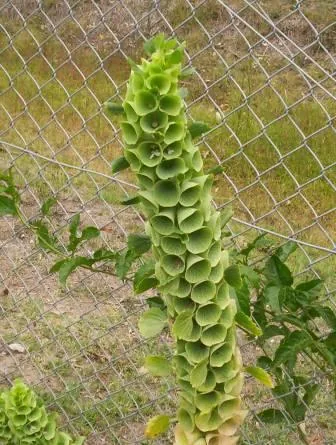
Bells of Ireland is named for the whorls of green, bell-shaped calyces ranged up each tall stem, with the small true flowers seated within them. The name belies its origin, which lies in the eastern Mediterranean to western Asia rather than Ireland. In cultivation it serves as a cool-season annual, valued for the unusual color and architecture it brings to both the border and the cut stem.
The species performs in cool growing conditions and declines under heat and humidity, a preference rooted in its native range. Growth is rapid, producing spikes of 2 to 3 feet (60 to 90 cm) in one season before flowering from mid-summer into fall. Note the pairs of small, sharp spines concealed below each green bell, which make gloves advisable before any stem is cut.
Its appeal to florists rests on the same trait gardeners admire. The green calyces retain their color after cutting and dry well for lasting arrangements, which keeps the stems in use well beyond the active garden season.
Care
The short version: full sun and cool growing conditions, soil held evenly moist but never waterlogged, a balanced feed through the season, and staking for the top-heavy spikes wherever wind is a factor.
Light
Provide full sun for the strongest, most upright spikes, although the plant accepts light partial shade. Under deeper shade the stems grow weaker and lean, and the green bells become fewer.
Water
Hold the soil evenly moist throughout, and irrigate through any dry interval so the root zone never bakes. Given the plant's intolerance of heat, consistent summer moisture is among the few effective ways to sustain it.
Soil
Grow it in loose, moderately fertile, well-drained soil that retains even moisture. It tolerates poorer ground provided drainage stays sharp, and a pH between 6.0 and 7.5 is suitable.
Temperature
This is a cool-weather species, performing best between roughly 39°F and 81°F (4°C to 27°C). Once high-summer heat and humidity arrive, growth slows and the plant declines.
Humidity
Ambient outdoor air is sufficient, so no humidity target applies. The genuine stressor is humid, muggy heat, which is best managed by spacing plants and maintaining air movement around them.
Feeding
A balanced general-purpose fertilizer applied once a month through the growing season is adequate. Avoid heavier feeding, since soft, overfertilized growth lodges more readily.
Pruning
Cut the flower spikes for fresh or dried use, and deadhead before seed set to limit self-sowing. In wind-exposed positions the tall spikes generally require staking to remain upright.
Size & spacing
Mature plants reach 2 to 3 feet (60 to 90 cm) in height. Space them roughly 12 to 18 inches (30 to 46 cm) apart, close enough that adjacent stems provide mutual support.
When to plant
Because this annual is adapted to cool weather and falters in heat, timing governs the result. Start seed indoors in late winter, set plants out a few weeks before the last frost once nights remain above 40°F (4°C), and the spikes flower from mid-summer into fall.
Northern hemisphere
Southern hemisphere
Typical months for a temperate climate: start earlier in warm zones, later where spring frosts linger.
- Sow: 8 to 10 weeks before the last spring frost; barely cover seed as light aids germination, which can be slow (up to a month).
- Plant: A few weeks before the last frost, or transplant once night temperatures stay above 40°F (4°C).
- Harvest: Blooms mid-summer to fall (July to September); cut stems for fresh use, or before seed ripens for drying.
Hardiness
USDA hardiness zones: 2–11
Temperature: down to -46°C
Troubleshooting
Two factors account for most of the difficulty with this plant: summer heat and the height of its own spikes. Recognizing the early indications below allows intervention before a minor setback compromises the display.
Decline and lost bloom coinciding with summer heat
As a cool-season plant, Bells of Ireland reaches its limits when heat combines with humidity, and that stress is what curtails flowering and lets the spikes fade. Full sun with free air movement helps the foliage shed heat, while evenly moist soil buffers the roots through warm spells. Sowing early shifts the whole bloom window ahead of peak summer, so the display matures while conditions still favor it.
Fix:
- Site in full sun with good air circulation
- Keep soil evenly moist during heat
- Sow early so plants bloom before peak summer heat
Sparse or absent germination a month out from sowing
Slow germination in this species traces to two errors: seed buried beyond the depth light can reach, or temperatures outside the range the embryo responds to. Because the seed is light-dependent, covering it deprives it of the cue to germinate, so barely cover it and provide warm days near 80°F to 86°F (27°C to 30°C) with cooler nights around 60°F (16°C). Allow time as well, since even under correct conditions emergence can take up to a month.
Fix:
- Barely cover seed as light aids germination
- Provide warm day temperatures around 80 to 86°F and cooler nights near 60°F
- Be patient; germination can take up to a month
Taller stems lodging in exposed or windy sites
The spikes carry their mass high, so once they reach full height the top-heavy stems lever over under wind load or the weight of rain, and the tallest lean first. Staking early supports them before the load builds, and a sheltered site reduces the wind force in the first place. Spacing plants near a foot apart lets adjacent stems brace one another, and restraint with rich soil avoids the soft, weak tissue that bends most readily.
Fix:
- Stake taller spikes
- Provide a sheltered, less windy location
- Space plants about a foot apart for mutual support
Toxicity
For households with pets and children the assessment is favorable, since this plant is not considered poisonous to animals or people. The single genuine hazard is mechanical rather than chemical: pairs of sharp little thorns sit beneath each green bell, so wear gloves whenever the stems are handled or cut.
Safe for
People · Cats · Dogs · Horses · Rabbits · Livestock · Birds
Cats None
No documented cases connect this species to feline poisoning, and it appears on no toxic list. The only physical risk is the small spines along the stems, which could prick the mouth of an investigating cat.
Dogs None
Dogs incur no toxic exposure here, since the plant contains nothing regarded as poisonous. A chewed stem would deliver only the sting of the hidden thorns, not a systemic effect.
Horses Safe
Horses face no toxicological hazard from this plant. The sharp spines beneath each calyx generally render it an unpalatable mouthful regardless.
Rabbits Safe
Rabbits are at no risk of poisoning. In practice the prickly stems deter them before significant feeding occurs.
Livestock Safe
Grazing stock such as cattle, goats, and sheep encounter no toxin in this plant. Most decline the spiny spikes without intervention.
Birds Safe
Garden birds may share the planting without hazard, as no part is known to be harmful to them.
People Safe
The plant presents no poisoning risk to people. The relevant precaution is mechanical: wear gloves when cutting stems, because the thorns set beneath the green bells are sharp enough to draw blood.
Pairs of small thorns or spines hide below each calyx along the stems and are sharp to the touch; wear gloves when handling or harvesting.
Varieties
Only a small number of named selections accompany the wild species, each retained for one defined trait. The two below are the ones worth knowing.
Pixie Bells
A compact selection whose shorter, sturdier stems resist lodging far better and rarely flop as the species tends to.
Long Spike
Selected for extra-long flower spikes that suit the demands of cut-flower arrangers.
How to propagate
Bells of Ireland is raised from seed, and the seed carries a few specific requirements worth meeting before sowing.
SeedModerate
Sow indoors 8 to 10 weeks before last frost, or outdoors a few weeks before last frost; often self-seeds in the garden. · Germination can take up to a month; plants bloom the same season from mid-summer to fall.
Propagation is by seed, sown indoors 8 to 10 weeks before the last frost or direct-sown a few weeks before it. Because the seed germinates in response to light, barely cover it and hold warm days near 80°F to 86°F (27°C to 30°C) against cooler nights around 60°F (16°C), the gradient the species reads as its cue. Germination may take up to a month, after which plants flower the same season from mid-summer into fall and frequently self-seed, returning the following year without further sowing.
Myths
Bells of Ireland comes from Ireland.
The common name is geographically inaccurate. This species is native from the eastern Mediterranean across to western Asia and India, with no Irish origin, and the name most plausibly references the green color of its bell-shaped calyces rather than any provenance.
Cold stratification is a prerequisite for germination of this seed.
Some references recommend chilling the seed, but the evidence does not support a stratification requirement. The operative factors are surface sowing for light exposure and the correct temperature regime, not a cold period.