
Introduction
Fresh herbs turn a simple meal into something special. Growing herbs indoors gives you basil, mint, and rosemary right on your kitchen counter. You skip the grocery store and grab what you need in seconds. Yet many home cooks lack outdoor garden space. They get stuck with wilted store herbs that cost too much.
I started my indoor herb garden 8 years ago in a tiny studio with one window. Those first plants taught me that herbs need more than water and hope to survive inside. A review of 42 studies shows indoor plants cut blood pressure by 2.526 mmHg and boost brain function. Your herbs do more than add flavor to dinner.
Most guides say to put herbs in a sunny window and water them. They skip the hard parts. Why does your basil taste bland? Why does rosemary keep dying? This guide covers flavor science, proper lighting, container choices, and fixes for common problems. Think of your indoor herb garden as a living pantry with year-round herbs at your fingertips.
Below you will find what you need to grow fresh herbs at home. Each section draws on real growing experience and extension research. Your herbs will thrive where others fail.
Best Herbs to Grow Indoors
Not all herbs grow well inside your home. Some need too much light or space to thrive on a windowsill. Others bolt in warm rooms or die in dry winter air. I killed my share of plants before I learned which herbs work best indoors and which ones belong in an outdoor garden.
The best herbs to grow indoors fall into three groups based on difficulty. Easy herbs for beginners like mint indoors, chives indoors, and parsley indoors forgive mistakes and bounce back fast. Herbs like basil indoors, oregano indoors, and thyme indoors need more attention to light and water. Rosemary sits in the hard category because it hates wet roots and wants cool nights.
Each herb below comes with specific care tips on temperature, container size, and watering. Basil cannot survive below 50 degrees F (10 degrees C) while Mediterranean herbs handle cooler spots just fine. Pick herbs that match your growing conditions and you will have fresh harvests in weeks.
Basil
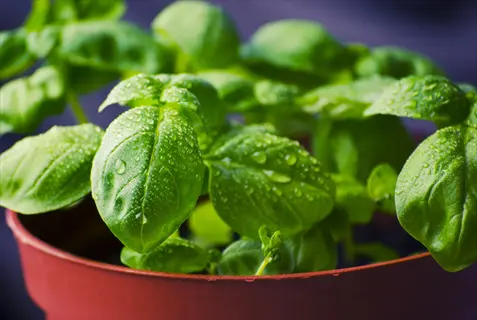
- Light Needs: Requires at least 6 to 8 hours of direct sunlight or 12 to 16 hours under grow lights, making south-facing windows ideal for this sun-loving herb.
- Temperature Range: Thrives in warmth between 70 to 80 degrees F (21 to 27 degrees C) and cannot survive temperatures below 50 degrees F (10 degrees C), so keep away from cold drafts.
- Water Requirements: Needs consistently moist soil but not waterlogged conditions, so water when the top inch (2.5 cm) of soil feels dry to the touch.
- Container Size: Plant in pots at least 6 inches (15 cm) deep with drainage holes to accommodate its substantial root system and prevent root rot issues.
- Harvesting Tips: Pinch off leaves from the top regularly to prevent flowering and encourage bushier growth, harvesting in mid-morning when essential oils peak.
- Common Challenges: Susceptible to cold damage and fungal diseases in humid conditions, but proper airflow and avoiding wet leaves helps prevent most issues.
Mint
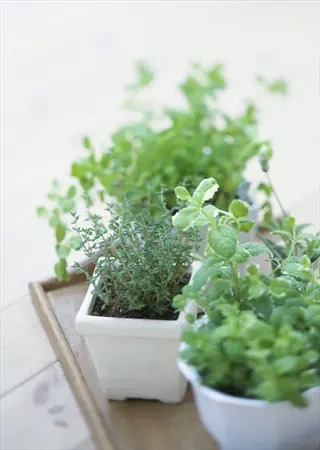
- Light Needs: Tolerates partial shade better than most herbs, thriving with just 4 to 6 hours of indirect sunlight, making it perfect for east or west-facing windows.
- Temperature Range: Adapts to typical indoor temperatures between 55 to 70 degrees F (13 to 21 degrees C) and even tolerates brief cold exposure without permanent damage.
- Water Requirements: Prefers consistently moist soil and higher humidity than other herbs, so water frequently and consider a pebble tray beneath the pot.
- Container Size: Use wide, low containers at least 8 inches (20 cm) across to fit spreading roots, and keep separate from other herbs as it spreads fast.
- Harvesting Tips: Cut stems just above leaf nodes to encourage branching, and harvest frequently since regular trimming keeps plants compact and productive.
- Common Challenges: Can quickly overtake shared containers due to vigorous spreading habit, so always grow mint in its own pot to contain its growth.
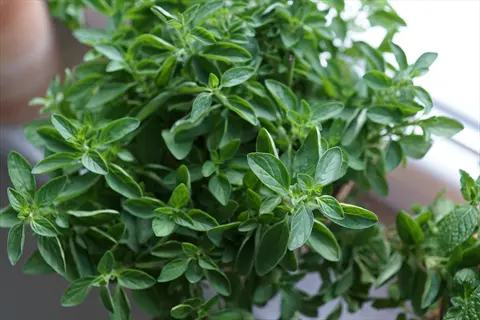
Oregano
- Light Needs: Requires full sun with 6 to 8 hours of direct light daily to develop strong flavor, as insufficient light produces bland leaves with weak aroma.
- Temperature Range: Prefers cooler indoor temperatures between 55 to 70 degrees F (13 to 21 degrees C) and actually develops better flavor when nights are cooler.
- Water Requirements: As a Mediterranean herb, oregano prefers soil that dries out between waterings, so let the top inch (2.5 cm) dry before adding water.
- Container Size: Grows well in standard 6 inch (15 cm) pots with excellent drainage, as soggy soil causes root rot in this drought-tolerant herb.
- Harvesting Tips: Harvest before flowering for best flavor by cutting stems back by one-third, which encourages dense new growth and prevents woody stems.
- Common Challenges: Overwatering is the primary killer of indoor oregano, so err on the side of underwatering and ensure containers drain completely.
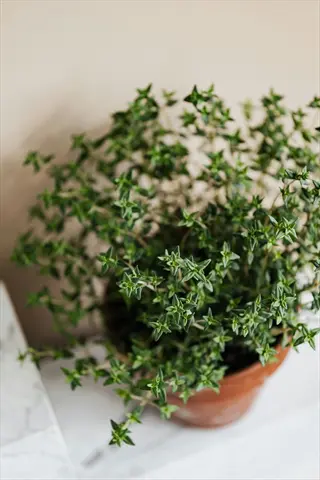
Thyme
- Light Needs: Demands 6 to 8 hours of direct sunlight to produce the aromatic oils that give thyme its distinctive flavor, so prioritize your sunniest window spot.
- Temperature Range: Tolerates a wide range from 50 to 80 degrees F (10 to 27 degrees C) and actually benefits from cooler nighttime temperatures around 55 degrees F (13 degrees C).
- Water Requirements: Extremely drought tolerant once established, preferring to dry out almost completely between waterings, typically every 10 to 14 days indoors.
- Container Size: Thrives in smaller pots around 4 to 6 inches (10 to 15 cm) with gritty, fast-draining soil, as its short root system hates sitting in moisture.
- Harvesting Tips: Snip sprigs as needed throughout the growing season, cutting just above a leaf node to encourage branching and maintain a compact shape.
- Common Challenges: Prone to root rot in heavy or poorly draining soil, so mix extra perlite into potting mix and choose terracotta containers that wick moisture.
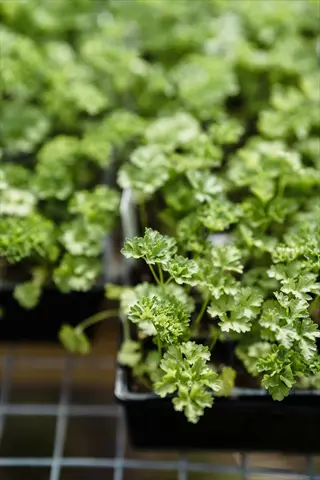
Parsley
- Light Needs: Grows well with 6 to 8 hours of sunlight but tolerates partial shade better than Mediterranean herbs, producing acceptable harvests with just 4 to 5 hours of light.
- Temperature Range: Prefers cooler conditions between 50 to 70 degrees F (10 to 21 degrees C) and may bolt quickly if temperatures consistently exceed 75 degrees F (24 degrees C).
- Water Requirements: Needs consistent moisture without waterlogging, so check soil every 2 to 3 days and water when the top half-inch (1.3 cm) feels dry.
- Container Size: Requires deep pots at least 8 inches (20 cm) tall to accommodate its substantial taproot, which anchors the plant and stores nutrients.
- Harvesting Tips: Cut outer stems at the base first, allowing inner leaves to continue growing, and harvest whole stems rather than individual leaves for best regrowth.
- Common Challenges: Slow to germinate from seed taking 2 to 4 weeks, so consider starting with transplants for faster harvests in your indoor herb garden.
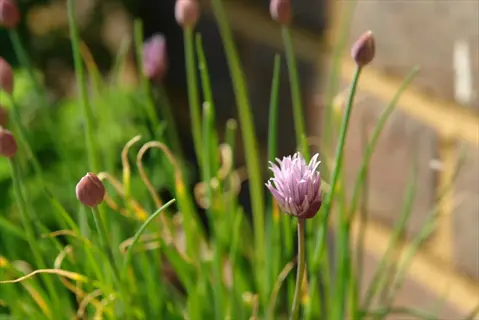
Chives
- Light Needs: Adapts well to lower light conditions, producing acceptable growth with just 4 to 6 hours of sunlight, though more light intensifies the mild onion flavor.
- Temperature Range: Cold hardy and tolerant of temperatures between 40 to 80 degrees F (4 to 27 degrees C), making chives reliable performers in drafty spots other herbs cannot handle.
- Water Requirements: Prefers evenly moist but not soggy soil, so water when the top inch (2.5 cm) dries out, typically every 3 to 5 days depending on humidity.
- Container Size: Grows as clumps that expand over time, so start with a 6 inch (15 cm) pot and plan to divide the plant every 2 to 3 years when it crowds the container.
- Harvesting Tips: Cut leaves with scissors about 2 inches (5 cm) above soil level, harvesting from the outside of the clump to encourage continuous growth from the center.
- Common Challenges: May develop yellow tips if underwatered or overcrowded, so maintain consistent moisture and divide clumps when growth slows.
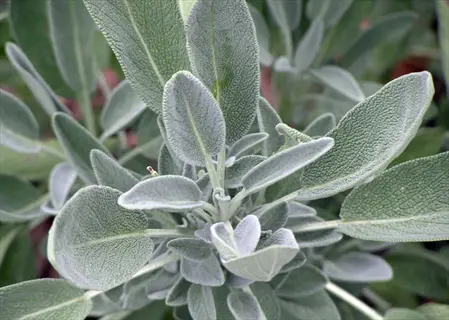
Sage
- Light Needs: Requires 6 to 8 hours of direct sunlight to develop its characteristic fuzzy gray-green leaves and strong aromatic compounds for culinary use.
- Temperature Range: Tolerates cool conditions between 50 to 70 degrees F (10 to 21 degrees C) and may become dormant in winter with reduced growth but will revive in spring.
- Water Requirements: Drought tolerant once established, preferring soil to dry out between waterings since overwatering causes root rot and fungal issues.
- Container Size: Needs room to spread, so plant in pots at least 8 inches (20 cm) wide with excellent drainage, using terracotta for natural moisture wicking.
- Harvesting Tips: Pick individual leaves or cut stems above a leaf node, avoiding harvesting more than one-third of the plant at once to maintain vigor.
- Common Challenges: Can become woody and leggy over time, so prune regularly in spring to encourage tender new growth and replace plants every 3 to 4 years.
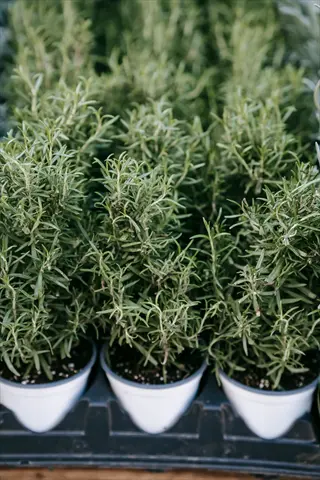
Rosemary
- Light Needs: Demands maximum light with 6 to 8 hours of direct sunlight minimum, making it one of the most challenging herbs to grow indoors without supplemental lighting.
- Temperature Range: Prefers cool nights around 50 to 60 degrees F (10 to 16 degrees C) with daytime temperatures up to 70 degrees F (21 degrees C), mimicking Mediterranean conditions.
- Water Requirements: Extremely sensitive to overwatering with a preference for drying out between waterings, so water only when soil is completely dry at least 1 inch (2.5 cm) deep.
- Container Size: Requires excellent drainage with containers at least 8 to 12 inches (20 to 30 cm) for mature plants, and benefits from terracotta or unglazed ceramic pots.
- Harvesting Tips: Snip 4 to 6 inch (10 to 15 cm) sprigs from the tips of branches, never removing more than one-third of the plant at once to prevent stress.
- Common Challenges: Most common indoor herb failure due to overwatering and insufficient light, so consider this an intermediate to advanced herb requiring careful attention.
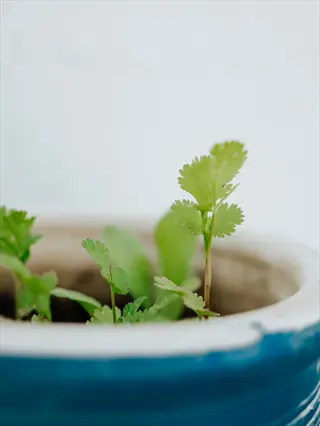
Cilantro
- Light Needs: Prefers partial shade to full sun, actually bolting faster under intense light, so 4 to 6 hours of indirect light extends the harvest period.
- Temperature Range: Cool season herb that bolts quickly above 75 degrees F (24 degrees C), thriving in temperatures between 50 to 70 degrees F (10 to 21 degrees C).
- Water Requirements: Needs consistent moisture to delay bolting, so water when the top half-inch (1.3 cm) of soil dries out, typically every 2 to 3 days.
- Container Size: Deep pots at least 8 inches (20 cm) accommodate the taproot, and succession planting every 2 to 3 weeks ensures continuous harvests.
- Harvesting Tips: Cut outer leaves when plants reach 6 inches (15 cm) tall, harvesting before flowers appear since leaves become bitter after the plant bolts.
- Common Challenges: Short harvest window of just 3 to 4 weeks before bolting, so plant multiple containers in succession for year-round fresh cilantro leaves.
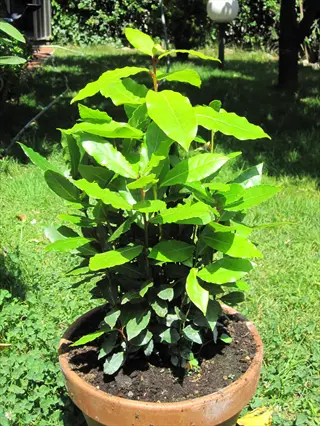
Bay Laurel
- Light Needs: Adapts to lower light conditions better than many culinary herbs, growing acceptably with just 4 to 6 hours of indirect sunlight from an east-facing window.
- Temperature Range: Tolerates cool indoor temperatures between 45 to 70 degrees F (7 to 21 degrees C) and benefits from cooler conditions during winter dormancy.
- Water Requirements: Prefers soil to dry slightly between waterings, as bay laurel is susceptible to root rot in consistently moist conditions, especially during winter.
- Container Size: Grows slowly but can eventually reach several feet tall, so start with an 8 inch (20 cm) pot and repot every 2 to 3 years as the plant matures.
- Harvesting Tips: Pick individual leaves as needed year-round, with older leaves having stronger flavor, and dry leaves for 2 weeks before use for best results.
- Common Challenges: Susceptible to scale insects indoors, so inspect leaves regularly and treat infestations early with horticultural soap spray.
Light Requirements for Herbs
Light is the most limiting factor for your indoor herb success. Think of sunlight for indoor herbs as food that your plants turn into the oils and flavors you want in your cooking. Without enough light, herbs stretch toward windows with thin stems and tiny leaves. Their aroma fades and the taste becomes weak.
Most herbs need 6 to 8 hours of direct sunlight each day to grow strong. South-facing window herbs get the best chance at meeting these light requirements for herbs. East or west windows might work for growing mint or parsley. North-facing windows fail for most herbs without help from grow lights for herbs.
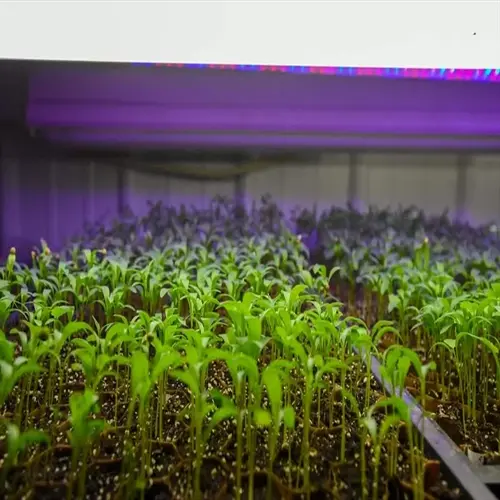
I added LED grow lights to my setup after my first winter killed half my plants. Position artificial light for herbs about 6 to 12 inches (15 to 30 cm) from the leaves and run them for 12 to 16 hours daily. The hours of light herbs need vary by type, so check the table below to match your setup to each plant.
More light means more flavor in your herbs. Strong light boosts oil production in leaves. That explains why outdoor herbs taste better than indoor ones. You can close that gap with the right grow light setup and a consistent schedule using a timer.
Containers and Soil Setup
The right container for your herbs works like finding the right shoe size. Too small and the roots get cramped with no room to grow. Too large and the extra soil holds moisture that leads to root rot. This balance matters more than most new growers realize.
Drainage for herb pots is not optional. Root rot kills more indoor herbs than any other problem. Every pot needs holes in the bottom and a saucer to catch runoff. Empty that saucer within 30 minutes of watering so roots never sit in standing water.
For potting mix indoor herbs, blend two parts soilless mix with one part perlite to create fast drainage. This mix holds enough water for roots but drains the excess before problems start. Most bagged potting soils stay too wet for Mediterranean herbs like thyme and rosemary.
Terracotta Pots
- Best For: Mediterranean herbs like rosemary, thyme, oregano, and sage that prefer drier conditions between waterings and excellent drainage.
- Key Benefit: Porous clay wicks moisture away from roots and allows air exchange through pot walls, reducing root rot risk significantly.
- Size Range: Available in 4 to 12 inch (10 to 30 cm) diameters, with most individual herbs thriving in 6 to 8 inch (15 to 20 cm) pots.
- Drainage Requirement: Always select pots with drainage holes and use saucers to catch excess water, emptying saucers within 30 minutes after watering.
Glazed Ceramic Pots
- Best For: Moisture-loving herbs like basil, parsley, mint, and chives that prefer consistently moist but not waterlogged soil conditions.
- Key Benefit: Non-porous glaze retains moisture longer than terracotta, reducing watering frequency for herbs that dislike drying out completely.
- Size Range: Choose pots at least 6 inches (15 cm) in diameter with depth appropriate to each herb's root system requirements.
- Drainage Requirement: Ensure drainage holes are present since glazed pots hold water longer and can quickly cause root rot without proper drainage.
Self-Watering Containers
- Best For: Busy gardeners growing moisture-loving herbs like basil, parsley, and mint who may forget to water on a regular schedule.
- Key Benefit: Built-in reservoir provides consistent moisture from below, mimicking the natural capillary action of soil drawing water upward.
- Size Range: Most systems accommodate 4 to 8 inch (10 to 20 cm) pot sizes, suitable for individual herbs or small combinations.
- Drainage Requirement: Monitor reservoir levels and avoid overfilling, as Mediterranean herbs can still suffer from too much moisture even with these systems.
Window Boxes and Planters
- Best For: Growing multiple herbs together when grouped by similar watering needs, maximizing limited windowsill space efficiently.
- Key Benefit: Larger soil volume maintains more stable moisture and temperature levels than individual small pots for better root health.
- Size Range: Select boxes at least 6 inches (15 cm) deep and wide enough to space herbs 4 to 6 inches (10 to 15 cm) apart.
- Drainage Requirement: Multiple drainage holes are essential, with a layer of gravel beneath the potting mix to prevent soil from blocking drainage.
Terracotta pots herbs love the natural wicking that clay provides. These containers for indoor herbs let air reach roots through the porous walls. Herb planters indoor with glazed finishes work better for basil and mint that want steady moisture. The pot size for herbs varies, so check each plant's needs before you buy.
Watering and Humidity Care
Watering indoor herbs is like cooking pasta. You want the soil moist but not soggy. The finger test works better than any schedule. Stick your finger an inch into the soil. If it feels dry, add water. If it still feels damp, wait another day.
How often to water indoor herbs depends on the season. Winter brings slower growth and less light, so your herbs drink less water. I cut my watering in half from December through February. Summer heat and longer days mean checking the soil every 2 to 3 days instead of weekly.
Overwatering herbs causes root rot herbs die from faster than anything else. The leaves yellow and drop. The stems turn soft at the base. By the time you notice, the damage is done. Never let pots sit in standing water and always empty saucers after you water.
Humidity for herbs matters more than most guides tell you. Winter heating drops indoor air to 20 to 30% humidity, like a desert. Most herbs want 40 to 60% humidity to thrive. Misting herbs gives only short relief that fades in minutes.
Pebble tray herbs get steady humidity that misting cannot match. Fill a tray with pebbles and add water to just below the tops. Set your pots on the pebbles so they never touch the water. As the water evaporates, it raises humidity around your plants all day long.
Group your herbs together to create a mini climate. Keep them away from heating vents and drafty windows that dry out leaves fast. I move my plants away from the radiator each winter and add a small humidifier to the room. Those changes cut my winter plant losses to almost zero.
Troubleshooting Common Problems
Your indoor herb problems have solutions once you know what to look for. Leggy herbs indoors and yellow leaves herbs are the two issues I see most from new growers. The cause is often simple, and the fix can save your plant if you catch it early.
Why are my herbs dying? That question sent me searching through extension guides and forums for years. Most problems come down to light, water, or pests. The guide below shows you how to spot each issue and what to do about it before your herbs give up.
Leggy, Stretched Growth
- Symptom: Herbs develop long, thin stems with small leaves spaced far apart, and the plant leans dramatically toward the nearest window.
- Cause: Insufficient light causes plants to stretch toward available light sources while reducing leaf size to conserve energy for stem growth.
- Solution: Move plants to a brighter location or add grow lights positioned 6 to 12 inches (15 to 30 cm) above foliage for 12 to 16 hours daily.
- Prevention: Rotate pots weekly to ensure even light exposure on all sides and supplement natural light during short winter days.
Yellow or Dropping Leaves
- Symptom: Lower leaves turn yellow first and may drop off, while upper growth may appear stunted or pale green compared to healthy plants.
- Cause: Usually indicates overwatering causing root rot, though underwatering, nutrient deficiency, or cold drafts can produce similar symptoms.
- Solution: Check soil moisture before watering and ensure containers drain completely, repotting in fresh soil if roots appear brown or mushy.
- Prevention: Water only when the top inch (2.5 cm) of soil feels dry and ensure all pots have adequate drainage holes.
Fungus Gnats
- Symptom: Tiny black flies hover around soil surface and plants, with larvae visible as small white worms in consistently moist potting mix.
- Cause: Overwatering creates the consistently moist conditions that fungus gnat larvae need to survive and reproduce in potting soil.
- Solution: Allow soil to dry out between waterings, apply sticky traps near plants, and consider a soil drench with diluted hydrogen peroxide.
- Prevention: Avoid overwatering, use well-draining potting mix, and cover soil surface with sand or gravel to deter egg-laying adults.
Spider Mites
- Symptom: Fine webbing appears on leaf undersides and stems, with leaves developing stippled yellow spots before becoming bronzed and dry.
- Cause: Dry indoor air during winter heating season creates ideal conditions for spider mite populations to explode on stressed plants.
- Solution: Isolate affected plants immediately, spray with water to knock off mites, and treat with insecticidal soap or neem oil weekly.
- Prevention: Increase humidity around plants with pebble trays, mist occasionally, and inspect plants regularly for early signs of infestation.
Weak Aroma and Flavor
- Symptom: Herbs grow well and appear healthy but lack the strong fragrance and taste expected from fresh culinary herbs.
- Cause: Insufficient light reduces essential oil production in leaves, and over-fertilizing can also dilute aromatic compounds.
- Solution: Maximize light exposure with grow lights, harvest mid-morning when oil content peaks, and reduce fertilizer to allow oils to concentrate.
- Prevention: Provide at least 6 to 8 hours of direct light or 12 to 16 hours under grow lights, and fertilize only every 2 to 4 weeks.
Root Rot
- Symptom: Plants wilt despite moist soil, stems become soft and discolored at the base, and roots appear brown or black and mushy when inspected.
- Cause: Overwatering combined with poor drainage creates waterlogged conditions where fungal pathogens attack and destroy root systems.
- Solution: Remove plant from pot, trim all affected roots back to healthy white tissue, and repot in fresh dry soil with improved drainage.
- Prevention: Use pots with drainage holes, allow soil to dry appropriately between waterings, and choose fast-draining potting mix with added perlite.
Pests indoor herbs face include fungus gnats herbs bring in with new plants and spider mites herbs suffer from in dry winter air. Check under leaves each week for early signs. Catch problems fast and you can save plants that would die with a few more days of neglect.
Harvesting for Maximum Flavor
Harvesting indoor herbs works like giving your plants a haircut. Each cut tells the plant to branch out and grow bushier. Skip the harvest and your herbs get leggy and weak. Cut too much at once and you stress the plant. The sweet spot is taking about one third of the plant each time.
When to harvest herbs matters more than most growers think. Mid-morning gives you the highest oil content after morning dew dries but before afternoon heat burns off the flavor. I pick my basil around 10 AM and the difference in taste is clear compared to evening harvests.
Pruning herbs for bushier growth means cutting just above a leaf node where two leaves meet the stem. This spot triggers new branches to sprout in both directions. Always use sharp scissors or snips to make clean cuts. Tearing leaves damages tissue and invites disease into the wound.
Herbs pack more antioxidant power ounce for ounce than most fruits and vegetables. Oregano, rosemary, and thyme rank at the top with 2.2 to 44 mmol of antioxidants per 100g. Using fresh herbs cooking adds flavor and nutrition that dried herbs cannot match.
Storing fresh herbs depends on the plant type. Soft herbs like basil and cilantro stay fresh for about a week in a glass of water on the counter. Hardy herbs like rosemary and thyme last 2 to 3 weeks wrapped in a damp paper towel in the fridge.
Preserving herbs before they bolt or fade extends your harvest. Freeze basil in olive oil using ice cube trays for instant flavor drops in winter soups. Dry oregano and thyme by hanging bundles in a dark, warm spot for 1 to 2 weeks. Either method beats store-bought dried herbs in taste.
5 Common Myths
Indoor herbs taste exactly the same as outdoor herbs grown in full sun and garden soil conditions.
Indoor herbs often have less intense flavor because lower light levels reduce essential oil production in leaves. Maximize light exposure and harvest mid-morning to improve taste.
All herbs can grow together in the same container since they all need similar water and light conditions.
Herbs have different water needs. Mediterranean herbs like rosemary and thyme prefer drier soil, while basil and parsley need more moisture. Group herbs by watering requirements.
Windowsill herb kits provide everything you need to grow thriving herbs without any additional equipment.
Most windowsill kits have containers too small for mature plants and lack sufficient drainage. You will likely need to transplant herbs into larger pots within weeks.
Misting your herbs daily will provide the humidity they need to thrive in dry indoor environments.
Misting provides temporary relief but does not significantly raise ambient humidity. Use a pebble tray with water, group plants together, or run a humidifier instead.
You should fertilize indoor herbs weekly to replace nutrients they would get from outdoor garden soil.
Over-fertilizing herbs actually reduces their aroma and flavor. Apply a low-dose water-soluble fertilizer every two weeks at most, and less during winter months.
Conclusion
Growing herbs indoors gives you fresh herbs year-round right in your kitchen. Light is the most limiting factor, so place your pots in south-facing windows or add grow lights. Proper drainage prevents root rot that kills more indoor herbs than any other problem. Match your watering schedule to each plant's needs.
Your indoor herb garden does more than add flavor to dinner. Research shows indoor plants lower blood pressure and boost brain function. These herb care tips help you grow healthy plants that look good and make your home feel more alive. The health benefits start the moment you bring plants inside.
Flavor comes from more than keeping herbs alive. Strong light builds the oils that give herbs their taste. Harvest mid-morning when those oils peak. Cut just above leaf nodes to encourage bushier growth. These details separate weak, bland herbs from the strong ones worth growing.
Start with mint and chives if this is your first indoor garden. These plants forgive mistakes and bounce back fast. Once you get the basics down, try basil or parsley. Save rosemary for later when you build more experience. Your indoor gardening benefits grow right along with your plants.
External Sources
Frequently Asked Questions
Can you grow herbs indoors in every season?
Yes, you can grow herbs indoors year-round with proper lighting, temperature control, and care.
Which herbs grow well indoors?
Several herbs thrive indoors:
- Basil
- Mint
- Oregano
- Thyme
- Parsley
- Chives
- Sage
What herbs should not be grown indoors?
Some herbs struggle indoors due to space or light needs:
- Dill (bolts quickly)
- Cilantro (short lifespan)
- Large rosemary varieties
- Fennel (too tall)
Do indoor herbs need direct sunlight?
Most herbs need 6 to 8 hours of direct sunlight or supplemental grow lights for 12 to 16 hours daily.
Will herbs survive winter in pots indoors?
Yes, most herbs survive winter indoors with proper care. Keep them away from drafts and heat vents.
What herbs are most beginner-friendly for indoor growing?
Mint is considered the most beginner-friendly herb because it tolerates low light and thrives in various conditions.
How often should I water indoor herbs?
Water when the top inch of soil feels dry, typically every few days depending on humidity and container size.
Can you grow herbs indoors without grow lights?
Yes, if you have a south or west-facing window providing at least 6 hours of direct sunlight daily.
Why are my indoor herbs dying?
Common causes include:
- Overwatering causing root rot
- Insufficient light
- Poor drainage
- Temperature extremes
- Pest infestations
How long do indoor herbs last?
Annual herbs like basil last one growing season, while perennial herbs like rosemary, thyme, and oregano can live for years with proper care.