
The herbs not to grow indoors include dill, fennel, cilantro, and angelica. Large rosemary varieties also make the list. These plants have needs that most homes just cannot meet no matter how hard you try. You will save yourself time and money by growing them outside or choosing easier options instead.
I learned this lesson the hard way with my first indoor dill plant a few years back. It shot up tall and started flowering within three weeks of planting in my kitchen window. By week four, the leaves turned bitter and the plant was done producing anything useful for my cooking. My fennel did even worse than the dill. It grew so tall it toppled over and outgrew its pot in just two months. These failures taught me to pick my indoor herbs more carefully going forward.
Dill ranks among the most difficult indoor herbs because warm temperatures trigger it to bolt fast. Your home stays at 65°F to 75°F (18°C to 24°C) most of the year. Dill reads this constant warmth as a signal that summer has arrived. It decides to make seeds right away instead of growing more leaves for you. Once dill bolts, the leaves lose their flavor and the plant stops making new growth you can harvest.
Cilantro shares the same problem with bolting in warm indoor air. You might get two or three good harvests before your plant shoots up a flower stalk and goes to seed. The leaves turn thin and bitter once this happens and you cannot reverse it. Some gardeners solve this by planting new cilantro seeds every two weeks in a row. This gives you fresh plants ready to harvest as the older ones bolt out.
Fennel and angelica count among the herbs that struggle indoors because of their large size requirements. Fennel can reach 4 to 5 feet tall with a taproot that goes just as deep into the soil. No pot on your windowsill can hold a plant that big and give it room to spread out. Angelica grows even larger than fennel does. It also needs a cold winter rest period that your heated home cannot give it.
Large rosemary bushes also struggle inside even though dwarf varieties can work well for you. Standard rosemary wants cool nights around 40°F to 50°F (4°C to 10°C) to stay healthy through winter months. Your heated home runs much warmer than this at night. The dry air from your furnace also pulls moisture from the leaves faster than the roots can replace it. This leads to brown, crispy tips on your rosemary leaves that spread over time.
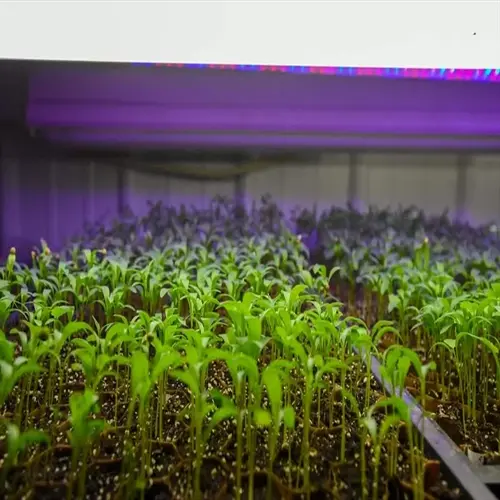
You have better options if you still want these flavors in your cooking at home. Grow dill as microgreens instead of trying to raise mature plants in pots. The tiny sprouts taste just as good and you can harvest them in 10 to 14 days without worrying about bolting at all. Pick a compact rosemary cultivar like Blue Boy or Arp that stays small enough for containers on your windowsill.
Focus your indoor herb garden on plants that want the conditions you already have at home. Mint, chives, parsley, and basil all handle indoor life much better than the difficult indoor herbs on this list. Save your dill and fennel dreams for the outdoor garden where they can spread out and grow tall in the summer sun. Your success rate will jump up fast when you match each herb to the right growing spot for its needs.
Read the full article: Growing Herbs Indoors: Complete Guide