
Introduction
Full sun annuals keep your garden bright with color from spring through the first frost. These tough bloomers thrive in 6 or more hours of direct sunlight each day. You get months of nonstop flowers while your other plants wilt in summer heat.
I tested annual flowers for over 15 years in my own garden beds and saw which ones actually perform. Sales of these plants now top two billion dollars per year in the United States. Most gardeners grab whatever looks nice at the store without knowing which sun-loving plants will work in their yard.
Think of the best summer blooms like marathon runners rather than sprinters. They pace through hot July days and sticky August nights. Weak plants burn out fast but the top performers save energy for your whole growing season.
University trials now rate hundreds of flower varieties on real results. These studies give you picks backed by science instead of guesswork. Below you will find the winners that earned their spot through actual testing in gardens like yours.
10 Best Full Sun Annuals
I grew dozens of heat tolerant annuals over the years and watched most of them fail by midsummer. The 10 plants below stood out because they kept blooming through brutal heat waves that killed off weaker varieties.
University of Minnesota trials rate flowers on a 1 to 5 scale for garden performance. I used those ratings plus my own tests to pick these best full sun annuals. You will see specific variety names because your cultivar choice matters a lot.
Research shows pollinator visits vary 3 to 10 times between cultivars of the same flower type. Your colorful annuals can attract tons of bees and butterflies or almost none at all. The sun-loving flowers below scored high on both beauty and wildlife value.
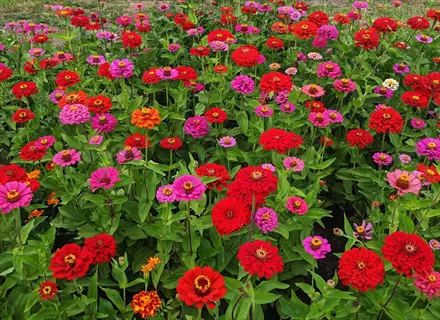
Zinnia
- Heat Performance: Zinnias thrive in hot conditions that wilt other flowers and actually bloom more profusely as temperatures rise through summer months.
- Pollinator Value: University research identifies zinnias as the benchmark for pollinator attraction, with varieties like Zahara Sunburst drawing significantly more bees and butterflies than popular alternatives.
- Color Range: Available in nearly every color except true blue, from soft pastels to vibrant oranges and deep burgundies, with single and double bloom forms.
- Growing Ease: Direct sow seeds after frost danger passes or transplant nursery starts, spacing plants twelve to eighteen inches apart in well-drained soil.
- Cut Flower Quality: Long straight stems and excellent vase life make zinnias ideal for bouquets, with regular cutting encouraging even more blooms.
- Disease Resistance: Choose mildew-resistant varieties like the Zahara or Profusion series for humid climates where powdery mildew becomes problematic.
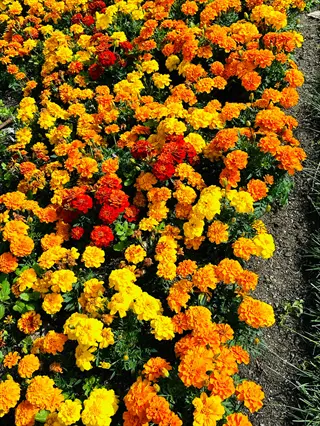
Marigold
- Heat and Drought Tolerance: University extension sources list marigolds among the top performers for surviving hot and dry conditions once established in garden beds.
- Pest Deterrent Properties: The strong scent repels many common garden pests, making marigolds valuable companion plants around vegetables and other ornamentals.
- Variety Options: French marigolds stay compact at eight to twelve inches while African types grow two to three feet tall with larger pompom blooms.
- Continuous Blooming: With regular deadheading, marigolds produce new flowers from late spring until the first hard frost without significant rest periods.
- Easy Seed Starting: Large seeds germinate quickly and reliably, making marigolds excellent choices for children or beginning gardeners learning to grow from seed.
- Low Maintenance Care: Beyond occasional watering during extended dry spells, marigolds require minimal attention and tolerate poor soil conditions.
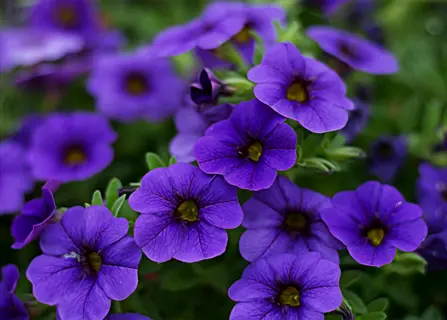
Petunia
- Market Popularity: Petunias rank among the top six annual flowers sold, accounting for a substantial portion of the over two billion dollar annual flower market.
- Spreading Varieties: Wave and Supertunia types spread two to four feet wide, making them excellent ground covers or spillers for containers and hanging baskets.
- Color Selection: From pure whites through pinks, purples, and nearly black varieties, plus bicolors and striped patterns for unique garden displays.
- Heat Management: While petunias handle full sun, they benefit from afternoon shade in regions with temperatures regularly exceeding ninety degrees Fahrenheit.
- Self-Cleaning Types: Modern varieties like Supertunias drop spent blooms naturally without deadheading, reducing maintenance while extending the flowering season.
- Fertilizer Needs: Heavy feeders that perform best with regular applications of balanced fertilizer every two weeks during peak blooming periods.
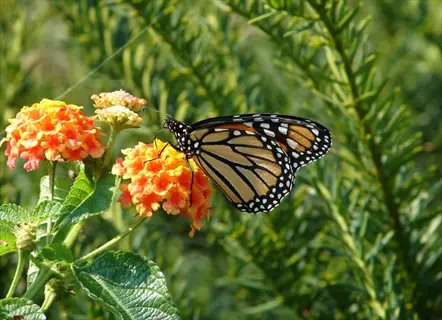
Lantana
- Extreme Heat Tolerance: Missouri Botanical Garden rates lantana among annuals that thrive in full sun and intense heat where other flowers struggle.
- Drought Resistance: Once established, lantana tolerates extended dry periods and actually suffers more from overwatering than occasional neglect.
- Butterfly Magnet: The clustered flower heads provide excellent landing platforms and continuous nectar sources that attract butterflies throughout the season.
- Color Changing Blooms: Individual flower clusters display multiple colors as blooms age, creating a multicolored effect from single plants.
- Perennial in Warm Zones: While grown as an annual in cold climates, lantana survives winter in zones nine and warmer, returning larger each year.
- Toxicity Warning: All plant parts are poisonous if ingested, so place lantana away from areas where children or pets might nibble on plants.
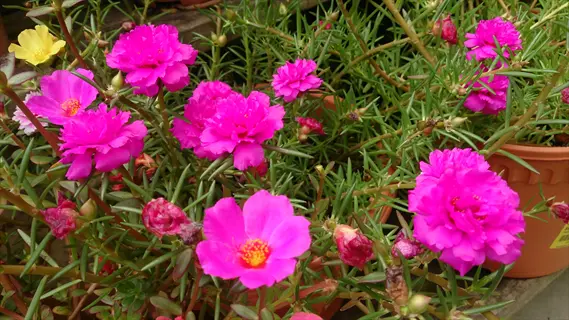
Portulaca
- Ultimate Drought Survivor: Iowa State University Extension describes portulaca as the plant that thrives even in the severest drought conditions.
- Succulent Foliage: Fleshy leaves store water, allowing plants to survive extended dry periods that would damage or kill most other annual flowers.
- Hot Location Specialist: Performs exceptionally well in spots too hot and dry for other plants, including rock gardens, stone walls, and south-facing slopes.
- Ground Hugging Growth: Low spreading habit reaching only four to six inches tall makes portulaca ideal for edging, rock gardens, or cascading from containers.
- Sun Responsive Blooms: Flowers open in bright sunlight and close on cloudy days or in late afternoon shade, creating a dynamic display.
- Self Seeding Tendency: Plants often reseed themselves in favorable locations, returning the following year without replanting in mild climates.
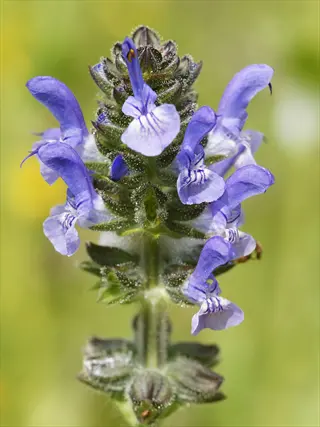
Salvia
- Pollinator Research Star: University of Minnesota four-year study identified salvia varieties like Summer Pink Jewel and Purple Fairy Tale among top performers for attracting pollinators.
- Heat and Humidity Tolerance: Missouri Botanical Garden notes salvia tolerates heat, drought, and humidity, making it reliable in many different climate conditions.
- Vertical Garden Interest: Spike-form flowers add height and architectural interest to beds, growing twelve to thirty-six inches depending on variety.
- Extended Bloom Period: With regular deadheading, salvia produces continuous flower spikes from late spring through fall frost without significant gaps.
- Deer and Rabbit Resistance: The aromatic foliage deters browsing animals, making salvia valuable in gardens where wildlife damage occurs.
- Hummingbird Appeal: Red flowering varieties particularly attract hummingbirds, adding movement and interest to garden spaces.
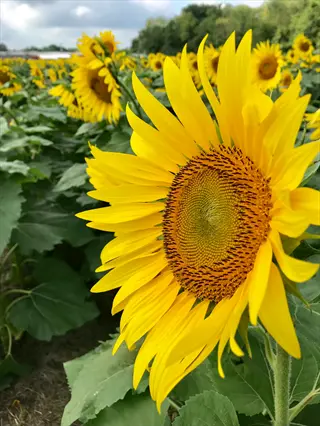
Sunflower
- Top Pollinator Performers: University of Minnesota research identifies Music Box Mix and Lemon Queen sunflowers among the best annual flowers for attracting pollinators.
- Height Variety: From dwarf types at twelve inches to giants exceeding ten feet, sunflowers fit any garden space or design purpose.
- Fast Growing Nature: Seeds germinate within a week and plants can reach full size in sixty to ninety days, providing quick garden impact.
- Cut Flower Excellence: Branching varieties produce multiple stems ideal for cutting, and harvesting actually encourages more blooms throughout the season.
- Bird Food Source: Leaving spent flower heads on plants provides valuable food for birds as seeds mature in late summer and fall.
- Companion Planting Value: Tall varieties create natural trellises for climbing plants like pole beans while providing shade for heat-sensitive crops.
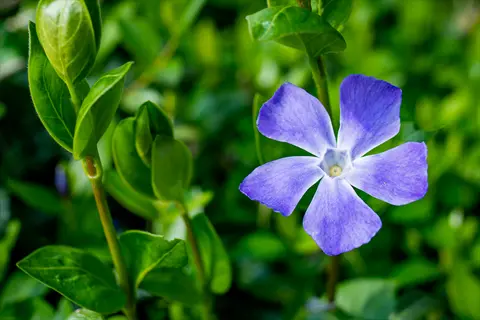
Vinca (Catharanthus)
- Intense Heat Specialist: Missouri Botanical Garden notes vinca thrives in full sun and intense heat conditions that cause other annuals to fail.
- Drought Tolerance: Once established, vinca handles dry conditions exceptionally well, requiring watering only during prolonged drought periods.
- Disease Resistance: Modern varieties resist the soilborne diseases that plagued older vinca types, ensuring more reliable garden performance.
- Continuous Flowering: Self-cleaning flowers drop naturally without deadheading while plants produce new blooms continuously from planting until frost.
- Glossy Foliage: Dark green leaves remain attractive even when plants are not in full bloom, providing consistent garden interest.
- Versatile Uses: Works equally well in beds, borders, containers, or as a flowering ground cover in challenging hot, dry locations.
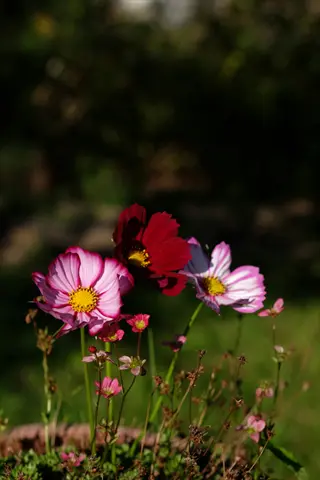
Cosmos
- Effortless Growing: Iowa State lists cosmos among drought tolerant annuals that thrive with minimal care once established in average garden soil.
- Graceful Garden Presence: Feathery foliage and daisy-like blooms on tall stems create an airy, cottage garden aesthetic that softens formal beds.
- Pollinator Friendly: Open flower faces provide easy access for bees and butterflies seeking nectar and pollen throughout the blooming season.
- Cut Flower Favorite: Long stems and long vase life make cosmos excellent for informal bouquets and flower arrangements.
- Poor Soil Preference: Actually performs better in average to lean soil, as rich soil produces more foliage at the expense of flowers.
- Self Seeding Habit: Plants readily reseed in favorable conditions, often returning the following year without replanting.
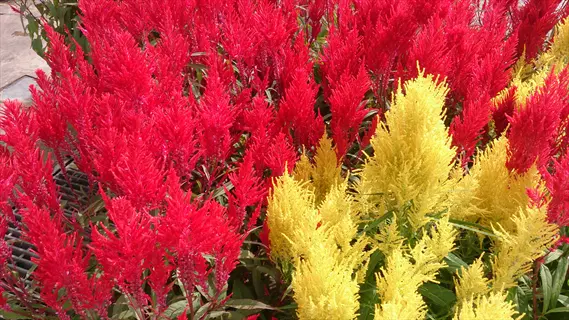
Celosia
- Heat Tolerance Champion: University of Missouri Extension includes celosia among the most heat tolerant annuals for summer flowers in the garden.
- Unique Flower Forms: Plumed types resemble feathers while crested varieties display brain-like textures, offering dramatic visual interest.
- Long Lasting Cut Flowers: Both fresh and dried, celosia maintains color and form for weeks, making it valuable for arrangements.
- Intense Color Saturation: Blooms in vibrant reds, oranges, yellows, and pinks with an almost iridescent quality unmatched by other annuals.
- Extended Bloom Season: Flowers persist for weeks on the plant without fading, providing consistent color from midsummer through frost.
- Drought Resistant: Once established, celosia handles dry conditions well, though consistent moisture produces the largest, most impressive blooms.
Each of these summer flowers earned its spot through years of testing in real gardens. Your results may vary based on local conditions but these varieties give you the best odds of success in hot sunny spots.
Summer Flowers for Heat and Drought
I learned the hard way that heat tolerant annuals still need water to get started. My first summer garden died within two weeks because I planted drought tolerant flowers and then ignored them. Now I know better.
Iowa State ranks portulaca as the best drought survivor among summer flowers. This tough plant handles the worst droughts you can throw at it. Those thick fleshy leaves store water like tiny tanks and deep roots grab moisture from soil that feels bone dry.
Hot weather plants handle dry conditions through different tricks. Some close their pores during the hottest hours to save water. Others send roots down deep where soil stays moist longer. The table below shows you which summer survivors work best for your specific situation.
Your best bet for dry conditions sits at the top of that list. Portulaca and lantana handle weeks without rain once their roots take hold. Plants at the bottom still grow fine in full sun but need your hose more often.
Sun Loving Container Picks
I killed my first batch of container annuals by treating them like ground plants. What I didn't know is that potted flowers in direct sun get 5 to 7 degrees warmer than the air around them. Michigan State research proved this and changed how I grow patio plants.
Think of your sun loving plants in containers like athletes in a small arena. They burn through water and food faster because there's less space to work with. Window box plants and hanging basket annuals need you to check on them almost every day during hot spells.
The thriller filler spiller approach gives you full looking pots with less guesswork. You pick one tall plant for drama plus some mounders to fill gaps plus trailing types to spill over edges. Below are the basics you need to grow container annuals that last all season.
Pot Selection Matters
- Material Choice: Terracotta breathes but dries quickly, plastic retains moisture but heats up, and ceramic offers insulation while adding weight for wind resistance.
- Size Requirements: Choose containers at least twelve inches in diameter for single plants, larger for combinations, allowing adequate root space for season-long growth.
- Drainage Necessity: Every container needs drainage holes because waterlogged soil causes root rot faster than underwatering in most annual flowers.
Watering Container Plants
- Increased Frequency: Container soil dries faster than garden beds, often requiring daily watering during hot weather compared to weekly for in-ground plants.
- Check Soil Depth: Insert your finger two inches into the soil to check moisture levels rather than judging by surface appearance alone.
- Morning Watering: Water early in the day so foliage dries before evening, reducing fungal disease risk while maximizing water uptake.
Fertilizing Containers
- Nutrient Leaching: Frequent watering washes nutrients from container soil faster than garden beds, requiring more regular fertilizer applications.
- Application Schedule: Feed container annuals every two weeks with balanced liquid fertilizer or use slow-release granules at planting time.
- Avoid Overfeeding: Too much nitrogen produces abundant foliage at the expense of flowers, so follow package directions carefully.
Thriller Filler Spiller Design
- Thriller Selection: Choose one tall or dramatic plant like salvia, angelonia, or ornamental grass as the central focal point.
- Filler Plants: Surround the thriller with mounding annuals like petunias, marigolds, or vinca to fill the middle space.
- Spiller Choices: Add trailing plants like calibrachoa, portulaca, or sweet potato vine to cascade over container edges.
Your potted flowers will need your attention more than plants in the ground. But the payoff is instant color right where you want it on your porch, deck, or patio.
Pollinator Friendly Annuals
I used to plant whatever looked nice without thinking about bees or butterflies. Then I learned that the top 6 selling annuals bring in 72 to 99% fewer pollinators than zinnias. That research from a peer reviewed journal made me rethink my whole wildlife garden.
Experts at U of M spent 4 years testing butterfly flowers. They checked over 30 bee friendly plants and found huge gaps between winners and losers. Some nectar plants brought in 10 times more beneficial insects than others.
The table below shows you their top picks for pollinator annuals. Notice that specific cultivar names matter a lot. Two sunflowers can look the same but attract very different numbers of bees and butterflies.
Your choice of cultivar impacts local pollinators more than you might think. The right varieties feed bees and butterflies all season long while the wrong ones leave them hungry.
Planting and Care Guide
I lost a lot of plants before I learned the basics of planting annuals the right way. Now I follow a simple system that keeps my flowers alive and blooming all season. The steps below come from real research and my own trial and error.
Good soil preparation makes the rest of annual flower care much easier. Most sources agree you need 4 inches of compost mixed into your beds. Work it down 6 to 10 inches deep for loose healthy soil.
Your watering schedule matters more than you think. University data shows annual beds need about 1.5 inches of water per week to stay healthy. Fertilizing flowers and deadheading also play key roles in keeping blooms coming.
Soil Preparation
- Organic Matter Addition: Incorporate four inches of compost or aged organic matter into beds, working it to a depth of six to ten inches for optimal root development.
- Drainage Testing: Water the prepared bed and observe drainage; soil should not remain waterlogged for more than a few hours after thorough watering.
- Fertilizer Base: Apply a complete fertilizer higher in nitrogen at one to two pounds per one thousand square feet before planting.
Transplanting Success
- Timing Matters: Transplant during early morning or evening hours when temperatures are cooler and sun stress is minimized for new plants.
- Watering Schedule: Maintain consistently moist soil for one full week after transplanting to help roots establish before expecting drought tolerance.
- Spacing Guidelines: Follow tag recommendations for spacing, as overcrowded plants compete for water and nutrients while increasing disease risk.
Ongoing Watering
- Weekly Amount: Provide about one and a half inches of water per week for established annual beds, adjusting based on rainfall and temperature.
- Deep Watering Preference: Water deeply but less often to encourage deep root growth rather than light daily sprinklings.
- Morning Application: Water early in the day so foliage dries before evening, reducing conditions that favor fungal diseases.
Fertilizer Schedule
- Heavy Feeders: Petunias, calibrachoa, and other heavy blooming annuals benefit from balanced fertilizer every two weeks during peak growth.
- Light Feeders: Some annuals like cosmos and portulaca perform better with minimal fertilizer, producing more flowers in leaner conditions.
- Signs of Need: Yellowing lower leaves or reduced flowering may indicate nutrient deficiency requiring additional fertilizer application.
Deadheading and Maintenance
- Bloom Encouragement: Removing spent flowers redirects plant energy from seed production back to creating new blooms for extended display.
- Self-Cleaning Varieties: Modern varieties like wave petunias, lantana, and vinca drop spent blooms naturally without manual deadheading.
- Mid-Season Pruning: Leggy plants benefit from cutting back by one third, which promotes bushier regrowth and renewed flowering.
Stick to this routine and your flowers will reward you with blooms from spring through frost. The extra effort in soil prep and timing pays off big when August heat arrives.
Regional Growing Tips
Your planting zones matter more than most gardening sites tell you. I learned this when I moved from Texas to Minnesota and killed my first batch of annuals by planting too early. Frost dates can shift by months between climate zones.
Utah State research shows growing seasons range from just 74 days in some mountain towns to 216 days in warmer spots. That huge gap means you need different plants and timing based on your specific hardiness zones.
Missouri Extension sorts annuals into 3 groups by cold tolerance. Hardy annuals handle freezing temps while tender ones die at the first hint of frost. The table below breaks down regional gardening tips by zone so you can pick the right plants for your frost dates.
Check your local extension office for exact frost dates in your area. The numbers above give you a starting point but local conditions can shift things by a week or two.
5 Common Myths
Full sun annuals will survive fine if they get just three or four hours of direct sunlight each day.
Full sun means at least six hours of direct sunlight daily, and plants receiving less will become leggy with fewer blooms and weaker growth.
The most popular annuals like petunias and impatiens are also the best choices for attracting bees and butterflies.
Research shows the six most popular annuals attract seventy-two to ninety-nine percent fewer pollinators than benchmark flowers like zinnias and sunflowers.
Drought tolerant annuals never need watering once you plant them in the ground.
Even the most drought tolerant annuals require consistent watering during their first week or two to establish healthy root systems before they can handle dry conditions.
All annuals in the same species attract pollinators equally well regardless of which cultivar you choose.
University studies found pollinator visitation varies three to ten times between different cultivars within the same annual flower species.
Container annuals need the same amount of water as annuals planted directly in the ground.
Container plants dry out much faster because pots heat up quickly and hold less soil moisture, often requiring daily watering during hot weather.
Conclusion
Your full sun annuals will thrive when you focus on 3 key choices. Pick heat tolerant types for hot spots. Choose pollinator favorites if you want bees and butterflies. Match sun-loving plants to containers or beds based on your space.
I tested many annuals before I found what works. University trials and real studies gave me better guidance than random plant lists. Now you have those same science backed picks to build your annual flower garden the right way.
The right cultivar choice makes all the difference for your summer blooms. Two plants of the same type can give you very different results in your yard. Picking the best varieties turns a decent garden into a vibrant garden that wows your neighbors.
You now have the tools for a great full sun annuals garden. Start with smart plant choices and follow the care tips from this guide. Your colorful blooms will reward you from spring through the first fall frost.
External Sources
Frequently Asked Questions
What potted plants are good in full sun?
Sun-loving annuals like petunias, calibrachoa, portulaca, and lantana thrive in full sun containers, though they need more frequent watering than ground-planted flowers.
Do petunias like full sun and heat?
Petunias tolerate full sun well but may struggle in extreme heat above ninety degrees, requiring afternoon shade or extra watering in hot climates.
Which annual flowers thrive on a hot sunny porch?
Vinca and lantana excel on hot sunny porches because they thrive in intense heat and tolerate dry conditions better than most annuals.
How do I choose low maintenance annuals?
Self-cleaning annuals like wave petunias, lantana, and portulaca require no deadheading and tolerate occasional neglect while still producing abundant blooms.
What annual flowers attract butterflies and bees?
University research identifies zinnias, sunflowers, salvia, and black-eyed susans as top performers for attracting pollinators, with some cultivars drawing ten times more visitors than others.
How do annual flowers differ from perennials?
Annuals complete their entire life cycle in one growing season, providing continuous blooms before dying, while perennials return year after year from the same root system.
When is the best time to plant annuals?
Plant frost-tender annuals after the last spring frost date in your area, typically when soil temperatures reach at least fifty degrees Fahrenheit.
How often should you water annual flowers?
Most annuals need about one and a half inches of water weekly, though container plants may need daily watering during hot weather.
What full sun annuals grow best in my climate zone?
Growing zone determines which annuals thrive, with cold zones needing fast-maturing varieties and warm zones requiring extreme heat tolerance.
Why are my annuals not blooming?
Common causes include too much nitrogen fertilizer promoting leaves over flowers, insufficient sunlight, or water stress from either overwatering or underwatering.