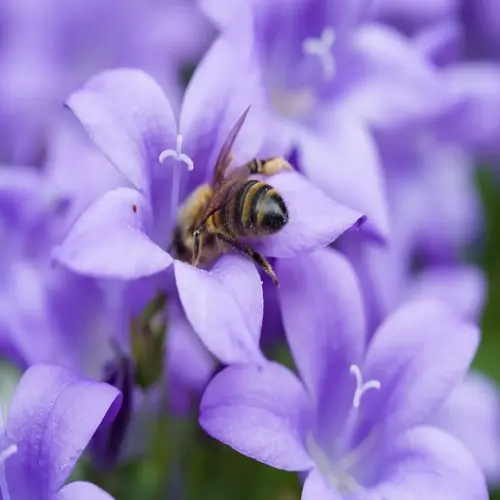

The best annual flowers attract butterflies bees and other pollinators in big numbers when you pick the right types. Pollinator annual flowers vary a lot in how well they work. Some bring in swarms of bees while others sit empty all day. Choosing wisely makes all the difference.
I watched my garden beds closely one summer to see which flowers drew the most action. The zinnias had bees on them all day long, sometimes five or six at once. My fancy hybrid petunias next to them barely got a single visit. That year taught me looks alone don't matter to pollinators.
Studies tested hundreds of flower types for bee appeal. Huge gaps showed up between varieties. Some cultivars drew three to ten times more bees than others of the same species. Double blooms and bred-for-color types often fail to deliver what pollinators need.
A four-year study ranked the best bee friendly annuals by actual pollinator counts. Zinnias topped the list with consistent traffic all season. Sunflowers scored high for both bees and butterflies. Salvia and black-eyed susans also made the top tier. These plants proved their worth over years of testing.
Zinnias
- Pollinator rating: Top performer in studies with bees visiting all day from morning to dusk.
- Best types: Single-flower varieties beat doubles because open centers let bees reach the pollen.
- Bloom time: Flowers from early summer until frost gives pollinators food for months.
Sunflowers
- Pollinator rating: Draws both bees and butterflies with large heads packed with nectar and pollen.
- Best types: Pollen-rich varieties feed more bees than pollenless types bred for cut flowers.
- Bloom time: One flower lasts weeks and you can stagger plantings for season-long blooms.
Salvia
- Pollinator rating: Tube-shaped flowers give bees and butterflies easy access to deep nectar.
- Best types: Red and blue salvia both score high, so pick colors you like for your garden.
- Bloom time: Keeps making new flower spikes all summer if you remove spent ones.
Skip fancy double blooms when you shop for butterfly garden annuals. Those extra petals look nice but block pollinators from reaching the good stuff inside. Single flowers with open centers let bees land and feed with ease. You trade a bit of petal count for a garden full of life.
Plant in groups of three or more of the same flower to catch pollinator attention. A single plant can get lost, but a cluster stands out from a distance. Bees and butterflies spot these patches and keep coming back. In my experience, grouped plantings get ten times the visits of scattered singles.
Color choice affects how well your flowers draw pollinators too. Bees see blue, purple, and yellow best. Butterflies love red, orange, and pink tones. A mix of colors pulls in more types of pollinators than beds of just one shade.
Skip hybrids bred just for looks. Native plants and old-time varieties work better for pollinators. Seed packets sometimes say "great for pollinators" to help you choose. Look for those labels when you shop.
Mix early, mid, and late blooming plants so your garden feeds pollinators all season. Spring bees need food just as much as summer butterflies. Keep something in bloom from the last frost until fall. Your garden becomes a buffet that pollinators will visit again and again all year long.
Read the full article: 10 Best Full Sun Annuals for Nonstop Color