
Introduction
You work hard in your garden but still end up with weak plants and small harvests. Fertilizing vegetable garden beds the right way turns struggling crops into strong producers. I watched my own tomato yields triple after I learned what my soil was missing.
Most gardeners waste money and nutrients without knowing it. Research shows that vegetable crops around the world only absorb about 14% of the nitrogen we add to the soil. The rest sits unused or washes away into local groundwater and streams.
Soil testing garden beds before you add any fertilizer is the first step toward better results. A basic test from your local extension office tells you which nutrients your soil needs and which ones you already have enough of. You stop guessing and start giving plants what they actually require to grow strong.
This guide covers plant nutrition vegetables. You will learn how to pick the right vegetable garden fertilizer for your crops. The right feeding schedule helps you avoid mistakes that cost you time and money.
Best Fertilizers for Vegetables
Picking the right fertilizer feels confusing when you stand in front of rows of bags at the store. I spent years buying the wrong products because I did not know what the NPK fertilizer numbers meant. The table below shows you the main options that work well for home gardens.
A balanced fertilizer like 10-10-10 fertilizer works great for most gardens without a soil test. Texas A&M says to apply 2 to 3 pounds per 100 square feet as your base rate. That gives most vegetables what they need without going overboard.
Think of synthetic fertilizers as fast food for plants. Organic fertilizer vegetables get works more like a slow cooked meal. Synthetics act fast but do not build your soil over time.
A good compost fertilizer. or slow release fertilizer feeds both your plants and the soil. Organic options build fertility over time so you use less each season. Synthetic bags cost less up front but you buy them every year.
Understanding NPK and Plant Nutrients
The three numbers on every NPK fertilizer bag tell you what your plants will get. Those numbers show the fertilizer numbers meaning in simple terms. A 10-10-10 bag has 10% nitrogen, 10% phosphorus, and 10% potassium by weight.
Think of these macronutrients vegetables need like the main food groups in your diet. Nitrogen for vegetables works like protein for muscles. Phosphorus potassium vegetables use builds strong roots and fruit. The list below breaks down what each nutrient does and what happens when plants lack them.
Your plants can only use these nutrients when soil pH sits between 6.0 and 7.0 based on NC State research. Outside that range, nutrients lock up in the soil where roots cannot grab them. This explains why some gardens fail even with plenty of fertilizer added.
Nitrogen (N) - The Growth Driver
- Primary Function: Nitrogen fuels leaf and stem growth, giving plants their deep green color and supporting photosynthesis throughout the growing season.
- Deficiency Signs: Older leaves turn pale yellow or light green first, then the entire plant becomes stunted with reduced vigor and poor overall development.
- Sources: Blood meal contains 12-15% nitrogen, while ammonium nitrate and urea provide fast-acting synthetic options for quick corrections.
- Application Note: Split nitrogen applications work better than single large doses, as plants absorb nutrients over time and excess leaches into groundwater.
Phosphorus (P) - Root and Fruit Builder
- Primary Function: Phosphorus supports strong root development, flower formation, and fruit production while helping plants transfer energy throughout their systems.
- Deficiency Signs: Leaves develop purple or reddish tints, especially on undersides, with stunted growth and delayed maturity in flowering plants.
- Sources: Bone meal provides 15% phosphorus in slow-release organic form, while superphosphate offers faster availability for established gardens.
- Application Note: Phosphorus moves slowly through soil, so incorporate it into the root zone rather than applying only to the surface.
Potassium (K) - Disease Fighter
- Primary Function: Potassium strengthens cell walls, improves drought tolerance, and enhances disease resistance while regulating water movement within plants.
- Deficiency Signs: Leaf edges turn brown and crispy (marginal scorch), with older leaves affected first and overall plant weakness during stress.
- Sources: Wood ash provides potassium along with lime, while potassium sulfate and muriate of potash offer concentrated synthetic options.
- Application Note: Sandy soils lose potassium quickly through leaching, requiring more frequent applications than clay soils that hold nutrients better.
Secondary Nutrients - The Supporting Cast
- Calcium: Essential for cell wall strength and preventing blossom end rot in tomatoes and peppers; usually adequate when pH is properly adjusted with lime.
- Magnesium: Central atom in chlorophyll molecules, making it critical for photosynthesis; dolomitic limestone provides both magnesium and calcium together.
- Sulfur: Necessary for protein synthesis and enzyme function; most soils contain adequate sulfur but heavy rainfall can deplete available supplies.
- Application Note: Most secondary nutrient deficiencies indicate pH problems rather than actual shortages, making soil testing essential before supplementing.
Meeting your plant nutrient requirements. takes more than pouring fertilizer on the ground. I learned this the hard way when my tomatoes got all leaves and no fruit. Each element plays a specific role and your crops need them in balance.
Heavy, Medium, and Light Feeders
Not every vegetable needs the same amount of food. Heavy feeder vegetables like tomatoes need a lot. Light feeder vegetables like beans do fine with very little added to your soil.
I wasted years giving all my plants the same dose. My tomatoes did fine but my carrots grew forked roots. This guide helps you know vegetable nutrient requirements.
The guide below shows which crops need what. You will find rates from research. Pick the right tomato fertilizer and corn fertilizer needs. Match your leafy greens fertilizer to save money and grow better food.
Heavy Feeders - High Nitrogen Demand
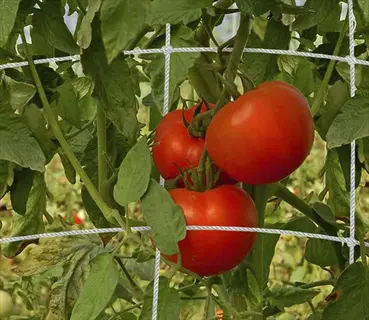
- Nitrogen Needs: Heavy feeders require 3 pounds (136 g) of nitrogen per 1,000 square feet (9.3 sq m), roughly triple what light feeders need for optimal production.
- Key Vegetables: Tomatoes, peppers, eggplant, corn, cabbage, broccoli, cauliflower, Brussels sprouts, and squash all fall into this demanding category.
- Application Schedule: Apply starter fertilizer at planting, then sidedress every 3-4 weeks during active growth and fruit production phases.
- Tomato Tip: Withhold fertilizer during flowering to prevent blossom drop, then resume when fruits reach marble size for best yields.
- Corn Strategy: Apply 2 lbs (0.9 kg) nitrogen when plants reach 12 inches (30 cm) tall, as corn has a short window for nutrient uptake.
- Warning Sign: If these plants produce lush leaves but few fruits, reduce nitrogen and increase phosphorus to shift energy toward production.
Medium Feeders - Moderate Requirements
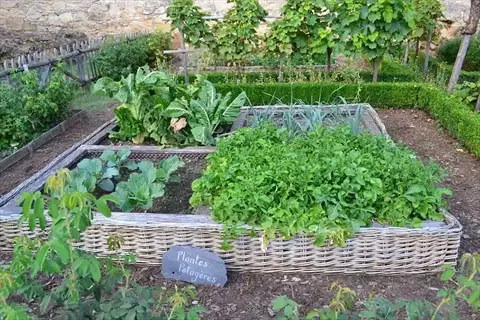
- Nitrogen Needs: Medium feeders perform well with 2-2.5 pounds (91-113 g) of nitrogen per 1,000 square feet (9.3 sq m) throughout the growing season.
- Key Vegetables: Lettuce, cucumbers, summer squash, sweet potatoes, melons, and Swiss chard need regular but not excessive fertilization.
- Application Schedule: Apply balanced fertilizer at planting, then one sidedress application 4-6 weeks later during active growth.
- Lettuce Note: Research shows 70-80% of lettuce nitrogen uptake occurs between heading and harvest, so time applications accordingly.
- Root Crop Approach: Root vegetables like sweet potatoes benefit from lower nitrogen and higher phosphorus to promote underground development.
- Container Adjustment: Container-grown medium feeders need more frequent light applications since nutrients wash out faster than in-ground gardens.
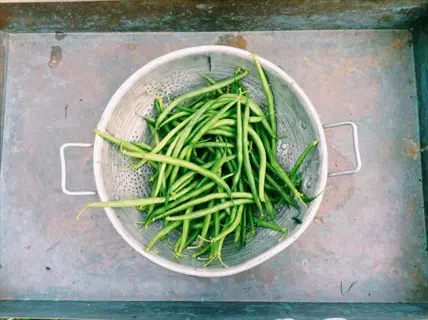
Light Feeders - Minimal Fertilization
- Nitrogen Needs: Light feeders thrive with just 1-2 pounds (45-91 g) of nitrogen per 1,000 square feet (9.3 sq m), and over-fertilizing reduces yields.
- Key Vegetables: Beans, peas, carrots, radishes, beets, turnips, and onions require minimal supplemental nitrogen to perform well.
- Legume Exception: Beans and peas fix their own nitrogen through root nodules, often needing only phosphorus and potassium at planting time.
- Carrot Caution: Excess nitrogen causes carrots to fork and develop hairy roots instead of forming smooth, straight taproots.
- Onion Timing: Apply nitrogen early in the season for leaf growth, then stop about 4 weeks before harvest to allow bulb development.
- Follow-Up Planting: Light feeders are ideal for succession planting after heavy feeders, using residual nutrients without additional fertilization.
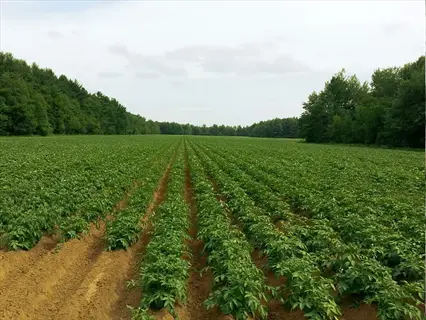
Special Cases - Unique Feeding Needs
- Potatoes: Grow best at lower pH (5.5) to prevent scab disease, and need moderate nitrogen with higher potassium for tuber development.
- Garlic and Onions: Heavy nitrogen early for leaf growth, but stop feeding 4-6 weeks before harvest to encourage bulb formation and storage quality.
- Perennial Vegetables: Asparagus and rhubarb benefit from annual fall fertilization after harvest ends to support next year's production.
- Herbs: Most culinary herbs prefer lean soil with minimal fertilization, as excess nitrogen reduces essential oil concentration and flavor intensity.
- Container Vegetables: All container plants regardless of category need more frequent feeding since nutrients leach quickly with regular watering.
- New Gardens: First-year gardens often need heavier initial fertilization to build soil fertility, tapering down as organic matter accumulates.
Application Methods and Techniques
How you put fertilizer in the ground matters as much as what kind you use. Broadcasting fertilizer works like spreading salt across your whole dish. Banding fertilizer places food right where roots can grab it fast.
I burned my first batch of transplants by adding too much starter solution transplants. need. Now I mix just 2 tablespoons per gallon like Texas A&M says. That gentle dose gets young plants growing without shock.
Spring is the best time for granular fertilizer application. Liquid fertilizer vegetables use gets in fast. Side dressing vegetables works mid season. Foliar spray vegetables helps too. Each method has its place.
Broadcasting - Whole Garden Coverage
- How It Works: Spread fertilizer evenly across the entire garden surface before planting, then incorporate into the top 4-6 inches (10-15 cm) of soil with a rake or tiller.
- Best For: Pre-season soil preparation, new garden beds, and situations where you want uniform nutrient distribution across all crops.
- Application Rate: Apply 2-3 lbs (0.9-1.4 kg) of complete fertilizer per 100 sq ft (9.3 sq m) for most vegetable gardens without recent soil tests.
- Timing: Broadcast applications work best 1-2 weeks before planting to allow nutrients to dissolve and distribute through the root zone.
Side Dressing - Mid-Season Boost
- How It Works: Apply fertilizer in a small trench or band 4-6 inches (10-15 cm) away from plant stems, then cover with soil and water well.
- Best For: Heavy feeders during active growth, long-season crops that exhaust initial fertilizer, and correcting mid-season deficiency symptoms.
- Application Rate: Use approximately one-half cup (120 mL) of fertilizer per 10 feet (3 m) of row, adjusting based on plant spacing and crop needs.
- Timing: Apply sidedress fertilizer 4-6 weeks after planting for synthetic options, or when plants show signs of slowing growth or pale coloration.
Banding - Targeted Root Zone Feeding
- How It Works: Place fertilizer in a narrow band 2-3 inches (5-8 cm) to the side and slightly below seed or transplant rows for concentrated root zone access.
- Best For: Direct-seeded crops, phosphorus delivery to young roots, and gardens with limited fertilizer supplies needing maximum efficiency.
- Application Rate: Use about half the broadcast rate since nutrients concentrate near roots rather than spreading across unused soil areas.
- Caution: Keep fertilizer bands separated from seeds by at least 2 inches (5 cm) to prevent salt injury to germinating seeds and young roots.
Foliar Feeding - Quick Nutrient Delivery
- How It Works: Dissolve water-soluble fertilizer and spray directly onto leaves, which absorb nutrients faster than roots for rapid deficiency correction.
- Best For: Emergency correction of visible nutrient deficiencies, micronutrient delivery, and supplementing stressed plants during drought or heat.
- Application Rate: Dilute to half the recommended soil drench strength to prevent leaf burn, and apply in early morning or evening to avoid evaporation.
- Limitation: Foliar feeding supplements but cannot replace soil fertilization, as leaves absorb limited quantities compared to root uptake capacity.
Starter Solutions - Transplant Support
- How It Works: Mix 2 tablespoons (30 mL) of balanced fertilizer per gallon (3.8 L) of water, then apply 1 cup (240 mL) per transplant at planting time.
- Best For: Transplanting seedlings from containers, establishing young plants quickly, and giving plants a strong start in challenging conditions.
- Application Rate: Keep solution dilute to prevent root burn; the goal is gentle nutrition rather than heavy feeding during the vulnerable transplant phase.
- Organic Option: Fish emulsion or compost tea at half strength provides similar benefits with added soil biology support for transplants.
One warning from UGA Extension: never put granular fertilizer on wet leaves. The granules stick and burn the plant tissue. Water your plants first or wait until leaves dry before you feed.
Organic vs Synthetic Fertilizers
A synthetic fertilizer garden works like a microwave meal. It is fast but something is missing. Organic fertilizer vegetables get acts more like a home cooked dish. It takes longer but feeds your plants and your soil at the same time.
Lettuce grew 29% bigger in one study. I saw the same gains in my garden. Natural fertilizer vegetables get works for most crops you grow.
Many think compost vegetable garden use never causes problems. Same with manure vegetable garden. Rutgers says both can pollute water if you add too much. Test your soil before adding any type.
Slow release fertilizer builds soil over time. It is the quick release fertilizer. that gives fast results when you need them. Most gardens do best with a mix of both types based on what each crop needs.
Timing and Seasonal Schedules
You need to know when to fertilize vegetables. Your fertilizer schedule vegetables use is like meals. Use pre-planting fertilizer first then do a sidedress application. later in the season.
I wasted years feeding at the wrong times. My plants got breakfast but missed lunch. Now I follow a set spring garden fertilizing plan that keeps crops fed all season. The guide below shows you exactly when to feed for best results.
Your soil type sets your fertilizing frequency vegetables need. Sandy soil needs food every 3 to 4 weeks. Clay holds nutrients longer. Your fall garden fertilizer. rate should be half your spring rate.
Spring - Foundation Building
- Timing: Apply base fertilizer 1-2 weeks before planting after soil temperatures reach 50 degrees F (10 degrees C) and conditions allow cultivation.
- Application Rate: Broadcast 2-3 lbs (0.9-1.4 kg) of complete fertilizer per 100 sq ft (9.3 sq m) and incorporate into the top 6 inches (15 cm) of soil.
- Soil Prep Priority: Test soil and adjust pH first, as lime needs 2-3 months to fully react and affect nutrient availability.
- Organic Approach: Apply all organic fertilizer at this time since slow-release nutrients need time to become plant-available through soil biology.
Early Summer - Active Growth Support
- Timing: Apply first sidedress application 4-6 weeks after planting or transplanting when plants show rapid vegetative growth.
- Heavy Feeder Focus: Tomatoes, peppers, and corn need sidedressing at this stage to support their intense nutrient demands during growth spurts.
- Application Method: Place fertilizer in small bands 4-6 inches (10-15 cm) from plant stems, cover and water well.
- Container Gardens: Begin weekly half-strength liquid fertilizer applications as frequent watering leaches nutrients from potting mix.
Mid-Summer - Production Support
- Timing: Apply second sidedress to heavy feeders 3-4 weeks after the first application, particularly for indeterminate tomatoes and long-season crops.
- Flowering Crops: Reduce nitrogen during flowering to prevent excessive leaf growth at the expense of fruit development.
- Continuous Harvest: Vegetables like squash, cucumbers, and beans producing continuously need fertilizer every 3 weeks during active harvest.
- Water Connection: Increase watering after mid-summer fertilization to move nutrients into the root zone during hot weather.
Fall - Preparation and Wind-Down
- Fall Garden Rate: Use half the spring application rate (1-2 lbs per 100 sq ft or 0.5-0.9 kg per 9.3 sq m) if following a fertilized summer garden.
- Cover Crops: Plant legume cover crops after harvest to fix nitrogen and reduce spring fertilizer needs by up to 30%.
- Soil Building: Apply compost or aged manure in fall to decompose over winter, improving spring soil structure and fertility.
- Stop Timing: Cease fertilizing established crops 4-6 weeks before expected frost to allow plants to harden off naturally.
5 Common Myths
Organic fertilizers cannot pollute water supplies or harm the environment since they come from natural sources.
Organic fertilizers can pollute water just like synthetic options when over-applied, as excess nitrogen and phosphorus still leach into groundwater regardless of source.
More fertilizer always produces bigger vegetables and higher yields in the garden.
Excessive fertilizer causes salt buildup, root burn, and lush foliage at the expense of fruit production, often reducing total harvest quality and quantity.
Lawn fertilizer works fine for vegetable gardens since plants all need the same nutrients.
Lawn fertilizers contain too much nitrogen and often include herbicides that kill or damage vegetable plants while promoting leafy growth over fruit production.
You should fertilize vegetables whenever they look yellow or growth slows down.
Yellow leaves may indicate overwatering, disease, or pH problems rather than nutrient deficiency, so soil testing should precede any fertilizer application.
Fresh manure from animals provides the best organic nutrients for vegetable gardens.
Fresh manure contains harmful pathogens and excess ammonia that burns plants; only composted manure aged at least 90-120 days should contact food crops.
Conclusion
Fertilizing vegetable garden beds well comes down to three core ideas. Test your soil first so you know what you have. Match your vegetable garden fertilizer to what each crop needs. Time your feedings when plants can absorb the most. These steps took my harvests from average to great over 5 growing seasons.
I feed half my beds with organic fertilizer vegetables love. The rest get synthetic feeds. Both gave me strong results when I used them right. Your best choice depends on your goals and budget. A balanced fertilizer gives most gardens a solid base to grow from.
Good feeding is about getting it right not adding more. Gardens waste about 86% of nitrogen because people add too much at bad times. That waste drains your wallet and harms nearby water. Soil testing garden beds before planting shows you what to add and what to skip.
Get a soil test before your next growing season starts. You will know what your garden needs instead of guessing like most folks do. Your plants will grow stronger with the right food at the right time. Your yields will rise while costs drop. Better feeding helps your garden and the land around it.
External Sources
Frequently Asked Questions
When should I fertilize my vegetable garden?
Fertilize at planting and sidedress 4-6 weeks later for most vegetables, adjusting timing based on plant growth stage.
What do the numbers on fertilizer packages mean?
The three numbers represent nitrogen, phosphorus, and potassium percentages by weight, indicating the nutrient concentration in the product.
How do you apply fertilizer to vegetables?
Common methods include:
- Broadcasting evenly over the soil surface
- Side dressing along plant rows
- Banding in furrows near seeds
- Foliar spraying for quick absorption
Can I just sprinkle fertilizer on top of soil?
Yes, broadcasting fertilizer on top works, but incorporating it into the top few inches improves nutrient uptake.
Can coffee grounds be used as fertilizer?
Coffee grounds add nitrogen and organic matter but should be composted first to avoid nitrogen tie-up in soil.
Can I use the same fertilizer for all my vegetables?
A balanced fertilizer works for most vegetables, though heavy feeders benefit from additional nitrogen applications.
How often should I fertilize vegetables?
Most vegetables need fertilizer every 4-6 weeks during the growing season, with heavy feeders requiring more frequent applications.
What vegetables should you not fertilize?
Legumes like beans and peas fix their own nitrogen and rarely need fertilizer beyond phosphorus and potassium.
Can you put banana peels in compost?
Yes, banana peels are excellent compost additions, providing potassium, phosphorus, and organic matter as they decompose.
Should you fertilize a vegetable garden in fall?
Fall fertilizing prepares soil for spring but use half the normal rate if following a fertilized summer garden.