
Introduction
You might think your potted plants can pull food from the soil forever without any help. This leads to weak plants that never look their best. Fertilizing indoor plants is what turns your sad collection into one with lush green growth all year long.
I learned this the hard way with my first monstera over 18 months. Each new leaf came out smaller than the last and I blamed light and humidity. A friend told me the truth. Your container soil is like a pantry that empties out but never refills on its own like outdoor beds do.
Research shows that good plant nutrition helps new growth make up for leaves that drop off. Without proper feeding, your plants decline even when you water them well. Smart houseplant care means giving your plants the food they need to stay strong.
This guide shows you how indoor gardening nutrition works from start to finish. You will learn to read NPK numbers on labels and pick the right products for your plants. We cover timing, amounts, and how to fix common mistakes you might make along the way.
8 Best Indoor Plant Fertilizers
The best fertilizer for indoor plants depends on your schedule and the plants you keep. A busy person with 5 plants needs a different approach than someone with 50 pots. How often you feed can range from every 2 weeks to every 3 months based on what you pick.
I tested many houseplant fertilizer types in my home over 3 years. These 8 picks cover every need and budget you might have. Liquid fertilizer and slow-release fertilizer are both here. You get organic fertilizer too if you want to skip the chemicals. Water-soluble fertilizer options round things out.
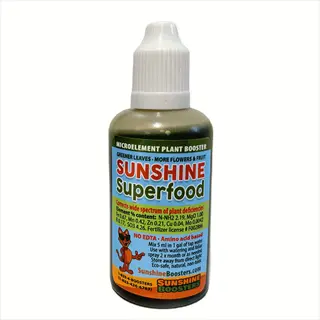
Balanced Liquid All-Purpose Fertilizer
- Best For: General houseplant collections with mixed foliage and flowering plants that need consistent nutrition throughout the growing season.
- NPK Ratio: Look for balanced formulas like 20-20-20 or 10-10-10 that provide equal parts nitrogen, phosphorus, and potassium for overall plant health.
- Application: Dilute to half the recommended strength and apply every two to four weeks during the active growing season from March through September.
- Advantages: Fast-acting nutrients reach roots quickly, easy to adjust dosage based on plant response, and works well with regular watering routines.
- Considerations: Requires more frequent application than slow-release options and can cause salt buildup if over-applied without periodic soil flushing.
- Value: Most economical option per application when diluted properly, with concentrate bottles lasting several months for average collections.
Slow-Release Granular Fertilizer
- Best For: Busy plant owners who prefer a set-it-and-forget-it approach with minimal maintenance and consistent feeding over several months.
- NPK Ratio: Typically balanced formulas around 14-14-14 that release nutrients gradually based on soil temperature and moisture levels.
- Application: Sprinkle granules on soil surface or mix into top layer, then water thoroughly. Reapply every three to six months depending on product formulation.
- Advantages: Reduces risk of over-fertilization, requires fewer applications throughout the year, and provides steady nutrient release without peaks and valleys.
- Considerations: Difficult to adjust once applied, may not provide enough nutrients for heavy feeders, and granules can attract curious pets.
- Value: Higher upfront cost but fewer applications needed, making it cost-effective for larger collections or those with limited time.
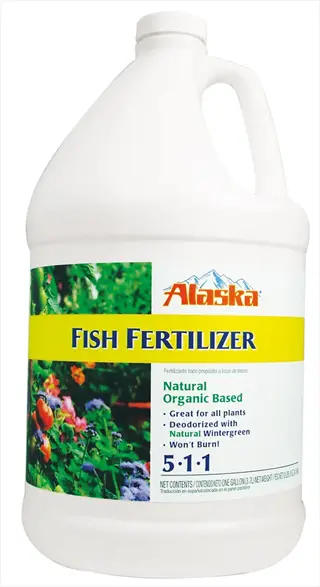
Organic Fish Emulsion Fertilizer
- Best For: Gardeners seeking natural alternatives who prioritize soil health and want to avoid synthetic chemical inputs in their home.
- NPK Ratio: Usually around 5-1-1 with higher nitrogen content, making it excellent for promoting lush foliage growth in green leafy plants.
- Application: Dilute according to label directions and apply every two to three weeks. Best used outdoors or in well-ventilated areas due to strong odor.
- Advantages: Contains natural micronutrients and beneficial compounds, improves soil microbial activity, and derived from sustainable fish processing byproducts.
- Considerations: Strong fishy smell that lingers for several days, may attract pets or insects, and lower nutrient concentration requires more frequent application.
- Value: Mid-range pricing with the added benefit of soil conditioning properties that synthetic options lack.
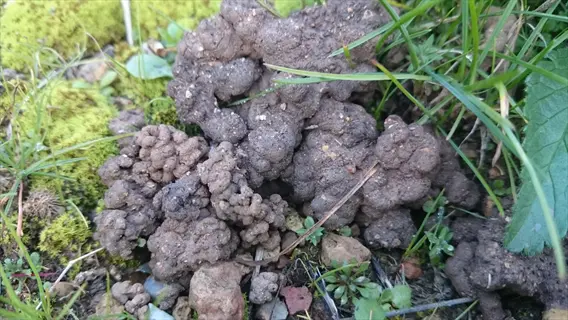
Worm Casting Fertilizer
- Best For: Indoor gardeners wanting odor-free organic options that are safe around children and pets while providing gentle, consistent nutrition.
- NPK Ratio: Low concentration around 1-0-0 but rich in beneficial microorganisms and humic acids that improve nutrient uptake and soil structure.
- Application: Mix into potting soil when repotting or top-dress existing containers with a thin layer. Can also brew into compost tea for liquid application.
- Advantages: Virtually no odor, impossible to over-apply, improves soil water retention, and introduces beneficial microbes that support root health.
- Considerations: Lower nutrient concentration means slower results, may need supplementation for heavy-feeding plants, and quality varies between brands.
- Value: Excellent value when purchased in bulk, especially for those who make their own compost tea or have large plant collections.
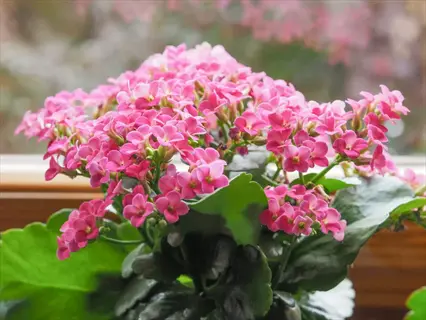
Flowering Plant Fertilizer
- Best For: African violets, peace lilies, orchids, and other flowering houseplants that need extra phosphorus to produce abundant, long-lasting blooms.
- NPK Ratio: Higher middle number like 10-30-20 or 15-30-15 that emphasizes phosphorus for flower development and strong root systems.
- Application: Apply every two weeks during active blooming periods, reducing to monthly when plants are not flowering to prevent nutrient imbalances.
- Advantages: Specifically formulated to trigger and sustain flowering, often includes bloom-boosting additives, and produces noticeable results within weeks.
- Considerations: Not suitable for foliage-only plants that do not flower, excess phosphorus can interfere with micronutrient absorption.
- Value: Worth the specialized investment for dedicated flowering plant collectors who want maximum bloom production.
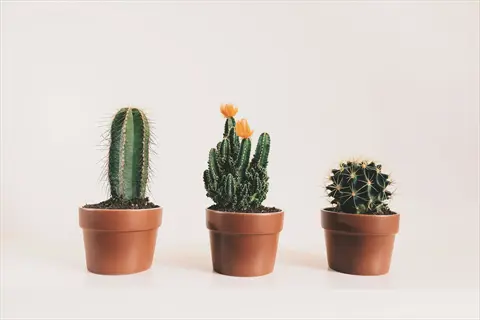
Succulent and Cactus Fertilizer
- Best For: Desert plants, succulents, and cacti that require low-nitrogen formulations to prevent soft, leggy growth that makes them vulnerable to rot.
- NPK Ratio: Lower nitrogen with ratios like 2-7-7 or 1-2-2 that match the natural low-nutrient environments these plants evolved in.
- Application: Fertilize sparingly during the growing season only, typically once monthly at half strength from late spring through early fall.
- Advantages: Prevents the over-feeding that causes succulents to stretch and weaken, promotes compact growth and vibrant coloring.
- Considerations: Regular all-purpose fertilizers are too strong for these plants, and even specialized formulas should be diluted further than directions suggest.
- Value: Essential for succulent collectors, though small bottles last a long time given the infrequent and diluted application requirements.
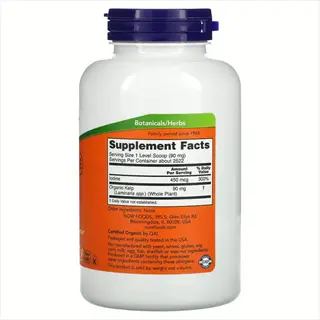
Seaweed Extract Fertilizer
- Best For: Gardeners focused on plant stress resistance and root development who want to supplement primary fertilizers with growth-enhancing compounds.
- NPK Ratio: Very low macronutrient content around 0-0-1 but rich in cytokinins, auxins, and trace minerals that boost overall plant vigor.
- Application: Use as a foliar spray or soil drench every two to four weeks. Works best when combined with a primary fertilizer rather than used alone.
- Advantages: Enhances root growth and stress tolerance, improves plant resilience to temperature fluctuations, and contains natural growth hormones.
- Considerations: Should not be relied upon as sole nutrient source due to low NPK values, most effective as part of a broader feeding program.
- Value: Affordable supplement that extends the effectiveness of primary fertilizers while providing unique benefits they lack.
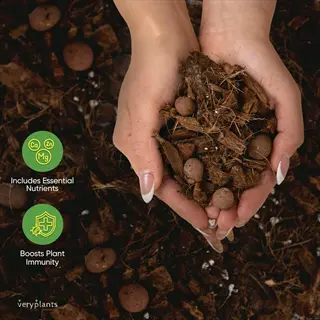
Fertilizer Spikes for Indoor Plants
- Best For: Beginners who want foolproof application and those prone to over-fertilizing when mixing liquid concentrates.
- NPK Ratio: Typically balanced around 13-4-5 or similar formulations designed for gradual release over one to two months per spike.
- Application: Push spikes into moist soil around the drip line of the plant, spacing according to pot size. Replace every one to two months during growing season.
- Advantages: No measuring or mixing required, consistent nutrient release, and minimal risk of fertilizer burn from concentrated applications.
- Considerations: Nutrients concentrate around spike placement rather than distributing evenly, may not reach all roots in larger containers.
- Value: Convenient option with moderate cost-per-application, ideal for those starting out or maintaining a few favorite plants.
NPK Ratios Explained
Those three numbers on every fertilizer bag tell you the NPK ratio inside. They stand for nitrogen, phosphorus, and potassium in that order. I teach my friends to think of it as N for New leaves, P for Pretty flowers, and K for Keeping strong stems. This trick helps you match plant nutrients to what your plants need most.
When I first started with houseplants, those label numbers looked like random codes. Now I know a balanced fertilizer like 20-20-20 gives equal parts of all three macronutrients. This works great for mixed collections. Foliage plants want more nitrogen for bigger leaves. Flowering plants need extra phosphorus to make blooms. You can see the results in just a few weeks when you pick the right ratio.
The table below shows you which ratios work best for each type of plant in your home. Micronutrients come in smaller amounts but still play a role in plant health. Look at your plant and ask what you want it to do. More leaves? Go high on N. More flowers? Bump up that P number on your next bottle.
When and How Often to Fertilize
Knowing when to fertilize houseplants saves you from one of the most common care mistakes. I used to feed my plants year round until I learned why this causes harm. The growing season runs from March through September when days are long and plants make new growth. Monthly fertilizing during this active time keeps most plants healthy.
Your fertilizing schedule needs to match your plant's natural rhythm. In winter dormancy, reduced light slows growth to a near stop. Plants can't use extra food during this time. The nutrients sit in the soil and turn into harmful salts. How often to fertilize depends on the season and your dilution rates for the product you use.
UConn Extension gives us clear numbers to follow. For monthly fertilizing, mix 1 teaspoon per quart of water. Going every 2 weeks? Use half a teaspoon. Weekly feeding calls for just a quarter teaspoon per quart. These small doses prevent the salt buildup that damages roots over time.
Early Spring (March-April)
- Resume Feeding: March signals the end of winter dormancy as daylight increases and plants show new growth, making it the ideal time to start fertilizing again.
- Start Slowly: Begin with quarter-strength applications to ease plants back into active nutrition after months without fertilizer to avoid shocking dormant roots.
- Watch for Growth Signs: Look for new leaves unfurling, stems elongating, or buds forming as confirmation that your plants are ready to receive and process nutrients.
- Increase Gradually: By late April, transition to half-strength applications every two to three weeks as plants demonstrate vigorous growth responses.
Peak Growing Season (May-August)
- Maximum Nutrition: This is when indoor plants grow most actively due to longer days and warmer temperatures, requiring their highest nutritional support.
- Regular Schedule: Apply fertilizer every two to four weeks depending on product type, with liquid formulas on the shorter end and slow-release on the longer.
- Full Strength Optional: Healthy, actively growing plants can handle full recommended dosages, though half-strength applied more frequently often produces better results.
- Monitor Closely: Watch for signs of both deficiency (pale leaves, slow growth) and excess (brown tips, salt crust) and adjust frequency accordingly.
Late Season (September-October)
- Begin Tapering: As daylight decreases and temperatures cool, reduce fertilizer frequency to every four to six weeks to match slowing plant metabolism.
- Lower Concentration: Switch back to half or quarter strength applications to prevent nutrient accumulation as plants prepare for their dormant period.
- Final Application: Make your last fertilizer application by mid-October at the latest, giving plants time to use remaining nutrients before winter rest.
- Flush Soil: Consider a thorough watering to leach accumulated salts from the growing season before plants enter dormancy.
Winter Dormancy (November-February)
- No Fertilizer Needed: Most houseplants enter a rest period during winter months when reduced light levels slow growth to a near standstill.
- Why Skip Feeding: Dormant roots cannot efficiently absorb nutrients, leading to salt buildup, potential root damage, and wasted fertilizer resources.
- Exceptions Exist: Plants under grow lights or in consistently warm environments with continued active growth may benefit from occasional diluted feeding.
- Focus on Maintenance: Use winter months for soil flushing, pest inspection, and planning your spring fertilization schedule.
Fertilizing Different Plant Types
Not every plant in your home needs the same food. I group my collection into feeding types based on how fast they grow and what they do. Tropical plants like monstera and pothos are heavy feeders that want food every 2 weeks. Your snake plant? It might need just 2 or 3 feedings per year.
Plant-specific feeding makes a real difference in how your plants look. Foliage plants fertilizer should have higher nitrogen for leaf growth. Flowering plants fertilizer needs more phosphorus for blooms. Your orchid fertilizer needs a special ratio too. Succulent fertilizer and cacti fertilizer work best when you use less.
Heavy Feeders (Tropical Foliage)
- Plants Included: Monstera, philodendron, pothos, bird of paradise, rubber plants, and most tropical aroids that produce large leaves rapidly during growing season.
- Nutritional Needs: High nitrogen requirement supports their characteristic large leaf production, with balanced potassium for stem strength and stress tolerance.
- Recommended Formula: Use balanced or nitrogen-forward fertilizers like 20-20-20 or 24-8-16 diluted to half strength for consistent feeding.
- Feeding Schedule: Every two weeks during active growth from March through September, reducing to monthly in shoulder seasons with winter rest.
Flowering Houseplants
- Plants Included: African violets, peace lilies, orchids, anthuriums, holiday cacti, and any houseplant grown primarily for bloom production.
- Nutritional Needs: Higher phosphorus promotes flower bud formation and root development, with moderate nitrogen to maintain foliage without excessive leaf growth.
- Recommended Formula: Switch to bloom-boosting formulas like 10-30-20 when buds begin forming, returning to balanced feeding between flowering cycles.
- Feeding Schedule: Every two weeks during bud development and active blooming, reducing to monthly during foliage-only growth periods.
Succulents and Cacti
- Plants Included: Echeveria, jade plants, haworthia, aloe, most desert cacti, and any plant adapted to store water in fleshy leaves or stems.
- Nutritional Needs: Very low nitrogen prevents soft, stretched growth that makes these plants vulnerable to rot and pest damage in humid indoor environments.
- Recommended Formula: Specialized succulent fertilizers with ratios like 2-7-7 or dilute standard fertilizer to quarter strength maximum.
- Feeding Schedule: Once monthly during active growth only (typically late spring through early fall), with complete rest during winter dormancy.
Ferns and Humidity Lovers
- Plants Included: Boston ferns, maidenhair ferns, calathea, maranta, and other plants requiring high humidity that often struggle in typical indoor conditions.
- Nutritional Needs: Moderate nitrogen for frond development with extra magnesium and iron to maintain the deep green coloring these plants are prized for.
- Recommended Formula: Balanced fertilizer at quarter to half strength, with occasional Epsom salt application at 1 teaspoon per gallon (3.8L) for magnesium.
- Feeding Schedule: Every three to four weeks during growing season, as these sensitive plants are easily burned by fertilizer salts.
Low-Light Tolerant Plants
- Plants Included: Snake plants, ZZ plants, cast iron plants, and Chinese evergreens that survive in areas receiving minimal natural or artificial light.
- Nutritional Needs: Reduced light means slower photosynthesis and growth, requiring proportionally less fertilizer than sun-loving counterparts.
- Recommended Formula: Any balanced fertilizer diluted to quarter strength, as these slow growers cannot process standard concentrations efficiently.
- Feeding Schedule: Once monthly maximum during growing season, or every six to eight weeks, with many thriving on just two to three feedings annually.
Troubleshooting Fertilizer Problems
When your plants show signs of trouble, over-fertilization is often the real cause. I made this mistake early on when I thought more food meant faster growth. Brown leaf tips, yellow leaves, and stunted growth can all point to fertilizer burn or salt buildup in the soil.
The tricky part is that nutrient deficiency symptoms can look a lot like other problems. Yellow leaves might mean too little nitrogen or just bad watering habits. Purple tints could signal a phosphorus shortage. The table below helps you figure out what's wrong and how to fix it based on where the damage shows up on your plant.
Leaching your soil with plain water fixes most salt buildup problems within a week or two. Pour water through the pot until it runs clear from the bottom. Do this 3 times in a row. For serious fertilizer burn, you may need to repot into fresh soil and skip feeding for a month while roots recover.
Organic vs Synthetic Fertilizers
The organic vs synthetic fertilizer debate comes down to what matters most to you. I use both types in my home based on what each plant needs. Organic fertilizer like compost and fish emulsion builds soil health. This natural plant food works slow and steady over weeks. Chemical-free fertilizer options are also great if you have pets or small kids around.
In my experience, each type has clear fertilizer pros and cons you should know. Organic options rarely burn roots even if you use a bit too much. Synthetic types give plants instant access to food but need more careful dosing. I learned this the hard way when I burned a fern with full strength liquid feed.
The table below breaks down key differences for indoor container plants. Your choice should match your priorities and lifestyle. Want exact control? Go synthetic. Care more about soil health and safety? Organic might be your better pick.
5 Common Myths
More fertilizer means faster and bigger growth, so doubling the recommended dose will produce healthier and more impressive plants.
Excessive fertilizer causes salt buildup, root damage, and leaf burn. Always follow label directions or dilute to half strength for indoor plants that grow slower than outdoor varieties.
Indoor plants need fertilizer year-round to stay healthy, including during winter months when they might look a bit tired or droopy.
Most houseplants enter dormancy from October through February and do not need fertilizer during this period. Feeding dormant plants wastes nutrients and risks toxic salt accumulation.
All fertilizers are basically the same, so any garden fertilizer will work perfectly fine for your indoor houseplants.
Indoor plants need gentler formulations than outdoor garden plants. Outdoor fertilizers are often too concentrated and lack the micronutrient balance houseplants require in containers.
Organic fertilizers are always safer and better for indoor plants than synthetic chemical fertilizers without exception.
Both organic and synthetic fertilizers can harm plants if misused. Organic options release nutrients slowly and may have odors, while synthetics offer precise nutrient control for containers.
Newly purchased plants need immediate fertilization to help them recover from store conditions and adjust to their new home.
New plants need time to acclimate before fertilizing. Wait at least two to four weeks after bringing a plant home, as store potting mixes often contain slow-release fertilizer already.
Conclusion
Fertilizing indoor plants doesn't need to be complex. When I started, I made it way harder than it had to be. The main goal is giving your plants just enough food so new growth makes up for the leaves that drop off. A gentle approach works better for most houseplant care.
Keep the seasonal framework in mind for healthy growth. Feed from March through September when your plants grow strong. Let them rest in winter with no fertilizer at all. This simple rhythm matches how plants work in nature.
If you feel lost with all the options, start simple like I did. Pick a balanced fertilizer and dilute it to half strength for your first few months. Watch how your plants respond. Good plant nutrition shows up as fresh growth and deep green color.
Indoor gardening gets easier once you learn the basics. I promise your plants will forgive small mistakes along the way. Take notes on what works and build your skills over time. You now have everything you need to grow a thriving collection.
External Sources
Frequently Asked Questions
What is the best natural fertilizer for indoor plants?
Compost tea, worm castings, and fish emulsion are excellent natural fertilizers for indoor plants that provide gentle, slow-release nutrients without chemical additives.
Can I use the same fertilizer for all my indoor plants?
A balanced all-purpose fertilizer works for most plants, but foliage plants prefer higher nitrogen while flowering plants need more phosphorus for best results.
Is Miracle-Gro ok for house plants?
Yes, Miracle-Gro and similar water-soluble fertilizers work well when diluted to half strength and applied during the growing season.
Which houseplants should not be fertilized?
Newly repotted plants, dormant plants, and stressed or sick plants should not be fertilized until they recover and resume active growth.
Which plants do not like fertilizer?
Succulents, cacti, and air plants naturally grow in low-nutrient environments and can be harmed by regular fertilization schedules.
Can I just sprinkle fertilizer on top of soil?
Granular fertilizers can be sprinkled on soil and watered in, but liquid fertilizers should be diluted and applied during regular watering for even distribution.
How should I fertilize my indoor plants?
Dilute liquid fertilizer to half strength and apply during regular watering, or use slow-release granules on the soil surface for consistent feeding.
How often should indoor plants be fertilized?
Most houseplants benefit from fertilizing every two to four weeks during the growing season and not at all during winter dormancy.
Is it okay to fertilize in September?
September is generally the last month for fertilizing as plants begin transitioning to dormancy, so use a diluted application and stop by month end.
What should you feed indoor plants?
Feed indoor plants with a balanced fertilizer containing nitrogen, phosphorus, and potassium, along with micronutrients like iron, magnesium, and calcium.