
Introduction
Your lawn drinks more water than you might realize. In Southwest cities, 60% to 90% of home water goes to landscape irrigation. Drought tolerant perennials offer a smarter choice. They give you beauty without constant watering demands.
My xeriscaping journey started when my water bills kept climbing every summer. Research confirmed what I suspected. Water wise plants save 55.8 gallons per square foot each year. That single number changed how I viewed every plant in my garden beds.
Here is what most guides get wrong about these tough plants. They need 1 to 3 years of watering before they survive on their own. Think of it like training an athlete. You build root strength over time. This lets plants perform during dry spells. Skip this step and your garden will struggle.
This guide covers the best water wise perennials for your yard. You will learn which plants work in your zone. We explain how to establish them for success and why they help pollinators too. Low maintenance gardening starts with smart plant choices that save you water conservation headaches.
Best Drought Tolerant Perennials
I tested these 10 plants in my own garden beds for years. Each one handles dry spells like a champ once you get past the first year or two. I grouped them by how well they attract bees and butterflies to your yard based on University of Vermont research.
Purple coneflower alone draws in 27 different bee species to your yard. Sedum stonecrop and lavender rank near the top for easy care. Russian sage and yarrow fill in gaps where other plants wilt in summer heat. The list includes something for every USDA zone from 3 to 9.
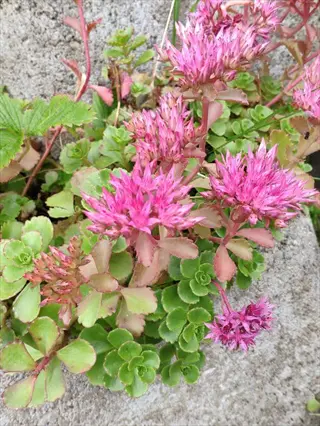
Sedum Stonecrop
- Drought Adaptation: Sedum stores water in thick fleshy leaves and stems, allowing survival through extended dry periods without supplemental irrigation once established in the garden.
- Growing Conditions: Thrives in USDA zones 3 through 9 in full sun to partial shade, preferring well-drained soil and tolerating poor rocky conditions that other perennials cannot handle.
- Garden Uses: Works excellently as groundcover, in rock gardens, green roofs, and container plantings where its spreading habit creates attractive low-maintenance coverage.
- Bloom Time: Produces clusters of star-shaped flowers in late summer through fall, ranging from yellow and pink to deep red depending on variety selection.
- Pollinator Value: Late season blooms provide critical nectar for bees and butterflies when other food sources become scarce in autumn gardens.
- Varieties to Consider: Autumn Joy reaches 18 inches (45 centimeters) tall with pink flowers while Dragon's Blood spreads as groundcover with deep red foliage.
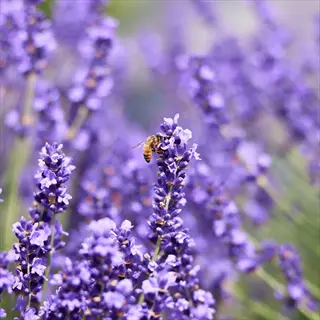
Lavender
- Drought Adaptation: Mediterranean origins give lavender excellent drought tolerance through silvery foliage that reflects sunlight and aromatic oils that reduce water loss.
- Growing Conditions: Performs best in USDA zones 5 through 9 with full sun and excellent drainage; clay soil requires amendment with sand or gravel to prevent root rot.
- Garden Uses: Creates stunning borders, hedges, and mass plantings while the fragrant foliage and flowers work well in herb gardens and cutting arrangements.
- Bloom Time: Produces purple, blue, pink, or white flower spikes from late spring through summer with some varieties reblooming if you deadhead soon after first flush.
- Pollinator Value: Very attractive to bees, butterflies, and beneficial insects while the strong scent deters deer and rabbits from your garden areas.
- Varieties to Consider: English lavender (Lavandula angustifolia) offers best cold hardiness while French and Spanish types suit warmer zones with milder winters.
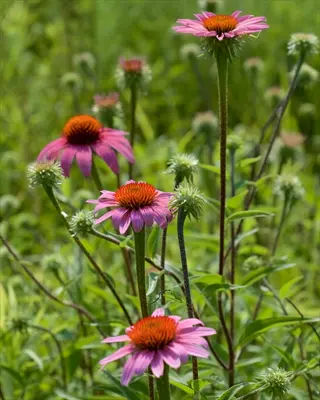
Purple Coneflower (Echinacea)
- Drought Adaptation: Native prairie heritage means deep taproot systems that access moisture far below surface soil, making coneflower highly resilient during extended dry spells.
- Growing Conditions: Hardy in USDA zones 3 through 8, thriving in full sun with average to poor soil; actually performs better with some drought stress than excess fertility.
- Garden Uses: Essential for prairie-style gardens, mixed borders, and naturalized meadow plantings where its strong vertical form adds structure and height.
- Bloom Time: Flowers from early summer through fall, with distinctive cone-shaped centers persisting into winter providing architectural interest and bird food.
- Pollinator Value: Research shows purple coneflower attracts 27 different bee species along with butterflies, making it one of the most valuable pollinator plants available.
- Varieties to Consider: Native Echinacea purpurea reaches 2-4 feet (60-120 centimeters) while newer cultivars offer colors from white through orange and red.
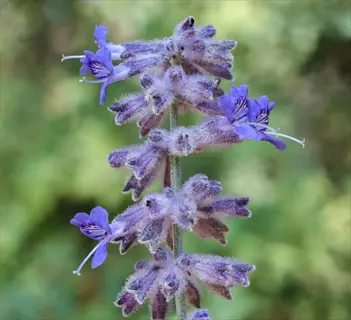
Russian Sage
- Drought Adaptation: Silvery-gray foliage and aromatic compounds reflect heat while reducing water loss, traits developed in its native Central Asian steppe habitat.
- Growing Conditions: Excels in USDA zones 4 through 9 with full sun and well-drained soil; established plants tolerate poor rocky conditions and alkaline soils well.
- Garden Uses: Creates airy see-through effect in borders reaching 3-5 feet (90-150 centimeters) tall; pairs well with ornamental grasses and yellow flowers in your beds.
- Bloom Time: Produces clouds of lavender-blue flowers from midsummer through fall, creating exceptional color during the hottest driest part of the growing season.
- Pollinator Value: Long bloom period provides sustained nectar source for bees, butterflies, and hummingbirds when many other plants struggle in summer heat.
- Varieties to Consider: 'Blue Spire' offers classic form while 'Little Spire' stays compact at 2 feet (60 centimeters) for smaller garden spaces.
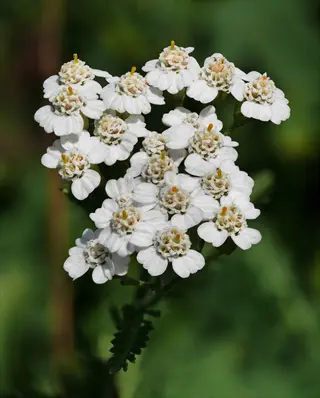
Yarrow (Achillea)
- Drought Adaptation: Fine ferny foliage reduces leaf surface area while deep fibrous roots gather moisture from a wide soil zone with great effect.
- Growing Conditions: Grows well in USDA zones 3 through 9 with full sun; tolerates poor soil, heat, humidity, and even some salt spray in coastal gardens.
- Garden Uses: Flat-topped flower clusters work great for cutting gardens and dried arrangements while the spreading habit fills border spaces in your yard.
- Bloom Time: Blooms from early to late summer in colors ranging from white and yellow through pink, red, and salmon depending on variety selected.
- Pollinator Value: Flat flower heads provide easy landing platforms for butterflies while small florets offer nectar to beneficial insects including predatory wasps.
- Varieties to Consider: 'Moonshine' offers silvery foliage with yellow flowers while 'Paprika' displays red blooms fading to pink and cream as they age.
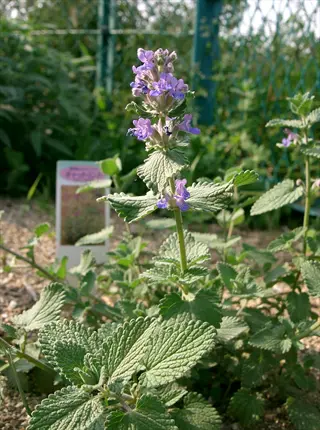
Catmint (Nepeta)
- Drought Adaptation: Aromatic foliage contains oils that reduce water loss through evaporation while gray-green leaves reflect excess sunlight and heat.
- Growing Conditions: Hardy in USDA zones 3 through 8 with full sun to partial shade; adapts to various soil types and tolerates drought once root system establishes.
- Garden Uses: Creates soft billowing masses perfect for edging pathways, softening hardscapes, and filling spaces between roses and other upright plants.
- Bloom Time: Produces spikes of lavender-blue flowers from late spring through summer, blooming again if you shear plants back after first flush fades.
- Pollinator Value: Flowers attract numerous bee species and butterflies while the mint family scent deters deer, rabbits, and many common garden pests.
- Varieties to Consider: 'Walker's Low' reaches 30 inches (75 centimeters) with long bloom while 'Cat's Meow' stays compact at 18 inches (45 centimeters).
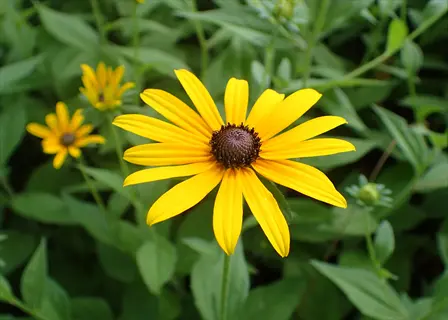
Black-Eyed Susan (Rudbeckia)
- Drought Adaptation: Native prairie origins mean established plants access deep soil moisture with extensive root systems that sustain flowering through dry summers.
- Growing Conditions: Thrives in USDA zones 3 through 9 with full sun to light shade; tolerates clay soil, heat, humidity, and occasional flooding better than most perennials.
- Garden Uses: Essential for meadow gardens, cottage borders, and naturalized plantings where golden flowers create cheerful summer-long displays of color.
- Bloom Time: Flowers from midsummer through fall with distinctive dark brown cone centers surrounded by golden yellow petals that attract attention.
- Pollinator Value: Very attractive to butterflies and bees during bloom while seed heads provide important winter food for goldfinches and other birds in your yard.
- Varieties to Consider: Rudbeckia fulgida 'Goldsturm' offers reliable performance while R. hirta selections provide larger flowers in orange and bronze tones.
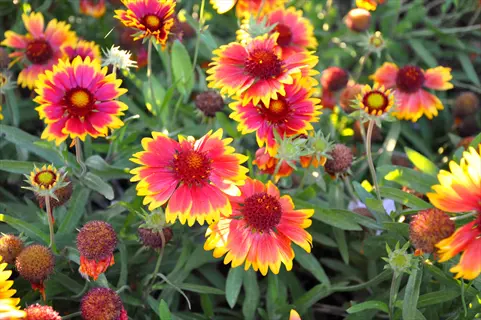
Blanket Flower (Gaillardia)
- Drought Adaptation: Native to prairies and open woodlands, blanket flower developed deep taproots and tolerance for poor dry soils that would stress other garden perennials.
- Growing Conditions: Grows well in USDA zones 3 through 10 with full sun and excellent drainage; excessive moisture and fertility actually reduce plant health and longevity.
- Garden Uses: Bright bicolor flowers add long-lasting warm tones to borders, containers, and meadow plantings from early summer until hard frost arrives.
- Bloom Time: One of the longest blooming perennials, flowering from early summer through fall nonstop if you remove spent blooms each week for neatness.
- Pollinator Value: Ring pattern on petals guides bees to nectar while long bloom season provides reliable food source throughout the growing season.
- Varieties to Consider: 'Arizona Sun' stays compact at 12 inches (30 centimeters) while 'Burgundy' offers deep wine-red petals without typical yellow tips.
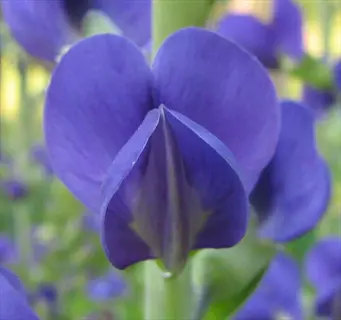
Blue False Indigo (Baptisia)
- Drought Adaptation: Very deep taproot systems reach several feet into soil, giving baptisia access to moisture that plants with weak roots cannot find during drought.
- Growing Conditions: Hardy in USDA zones 3 through 9 with full sun to partial shade; tolerates poor soil, drought, and heat while forming impressive clumps over time.
- Garden Uses: Creates substantial shrub-like presence reaching 3-4 feet (90-120 centimeters) tall and wide; blue-green foliage remains attractive all season.
- Bloom Time: Produces spikes of pea-like flowers in late spring followed by ornamental dark seed pods that rattle in the wind and persist through winter.
- Pollinator Value: Early blooms provide important spring nectar for bumblebees and other native pollinators emerging from winter dormancy when food is scarce.
- Varieties to Consider: Native Baptisia australis offers classic blue flowers while newer hybrids provide yellow, purple, and bicolor bloom options.
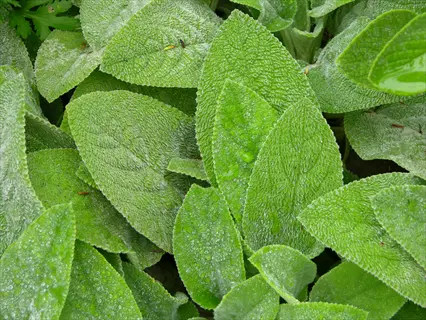
Lamb's Ear (Stachys)
- Drought Adaptation: Thick fuzzy coating on leaves reflects sunlight and cuts water loss through evaporation by a large margin, protecting plants during hot dry conditions.
- Growing Conditions: Performs well in USDA zones 4 through 8 with full sun to partial shade; requires well-drained soil as wet conditions cause crown rot.
- Garden Uses: Silvery foliage creates striking contrast with dark-leaved plants while soft texture invites touch along pathways and at border fronts.
- Bloom Time: Sends up fuzzy flower spikes with small purple blooms in early summer; many gardeners remove these to maintain neat foliage appearance.
- Pollinator Value: Flowers attract bees when allowed to bloom while the dense soft foliage provides shelter for beneficial insects and small spiders.
- Varieties to Consider: 'Helen von Stein' offers large leaves without flowers while 'Silver Carpet' creates low non-flowering groundcover spreading to 18 inches (45 centimeters).
Start with 3 to 5 plants from this list for your first dry garden bed. In my experience, sedum stonecrop and catmint need the least fuss during setup. Echinacea coneflower and black-eyed Susan reward you with blooms all summer long once their roots grow deep into your soil.
How Plants Survive Drought
Plants survive drought in two main ways, just like desert animals do. Some store water like a camel. Others reduce water loss like a cactus. I learned these drought adaptation tricks after years of trial and error in my own beds. Knowing them helps you pick winners for your yard.
Research by Xu and team in 2010 showed how plants shift their growth under moisture stress. They put more energy into root systems and less into leaves. This drought stress response lets xerophytic plants grab water from deep soil layers that stay moist during dry spells.
You can spot drought tolerant plants just by looking at them. Silver or gray foliage reflects heat. Thick fleshy leaves store water. Fine feathery leaves lose less moisture. These visual clues help you find tough plants even before you check plant physiology guides.
Deep Root Systems
- How it works: Plants develop extensive root networks reaching 8-18 inches (20-45 centimeters) or deeper to access moisture in soil layers that remain moist when surface soil dries completely.
- Plants using this strategy: Prairie natives like coneflower, black-eyed Susan, and blue false indigo develop taproots several feet deep over multiple growing seasons.
- Gardener benefit: Once established after one to three years, these plants seldom need extra watering except during extreme or prolonged drought conditions.
- Recognition tip: Plants with deep roots often have a central taproot visible when transplanting and may be slow to establish but very long-lived once mature.
Water Storage Tissues
- How it works: Succulent plants store water in specialized cells within thick fleshy leaves, stems, or roots that act as internal reservoirs during dry periods.
- Plants using this strategy: Sedum, sempervivum, agave, yucca, and ice plant all feature obvious succulent tissues that feel firm and plump when hydrated.
- Gardener benefit: These plants survive weeks without rainfall and bounce back fast from wilting once water becomes available again.
- Recognition tip: Thick rubbery leaves that snap rather than bend indicate succulent water storage tissues adapted for drought survival.
Reduced Leaf Surface
- How it works: Fine needle-like or split foliage minimizes the leaf surface area exposed to sun and wind, cutting water loss through evaporation by a huge margin.
- Plants using this strategy: Yarrow, artemisia, lavender, and Russian sage all feature fine textured foliage that limits transpiration during hot conditions.
- Gardener benefit: Plants with reduced leaf surface maintain appearance better during drought without the wilting and browning common in large-leafed species.
- Recognition tip: Ferny, feathery, or needle-like leaves often signal drought adaptation even before testing a plant in dry conditions.
Reflective Leaf Coatings
- How it works: Silvery, gray, or white coloration from waxy coatings or fine hairs reflects sunlight away from leaf surfaces, keeping tissues cooler and reducing moisture needs.
- Plants using this strategy: Lamb's ear, dusty miller, artemisia, and many Mediterranean herbs display characteristic gray or silver foliage adapted to intense sun.
- Gardener benefit: Silver-foliaged plants add striking visual contrast while thriving in the hottest driest garden locations with minimal care from you.
- Recognition tip: Run your finger across the leaf surface - a powdery or fuzzy texture indicates the protective coating that enables drought tolerance.
Most drought tolerant perennials combine two or more of these survival tricks. That layered defense is why they handle dry conditions so much better than regular garden plants in your beds.
Establishing Drought Tolerant Gardens
I killed more drought tolerant plants in my first year than I care to admit. The problem was simple. I stopped watering too soon. These plants need 1 to 3 years of care before their root development lets them survive on their own.
UC Davis Arboretum research showed me what I was doing wrong. Your watering depth matters more than how often you water. For transplanting perennials, you need to get water down 8 inches into your soil. Shrubs need 18 inches of depth for proper plant establishment.
Fall planting gives you a huge head start with soil preparation. Cool weather and natural rain reduce your watering work in year one. The roots grow while tops stay dormant. By spring your plants will be far ahead of anything you plant after frost.
Add mulching around your plants with 3 inches of organic material. This keeps soil cool and holds moisture near roots. Skip the mulch right at the stem to prevent rot. Aim for 4 to 6% organic matter in your soil for best moisture retention.
Regional Plant Selection by Zone
Your USDA hardiness zones tell you what survives winter cold. But they say nothing about summer heat or rainfall. I learned this the hard way when Mediterranean plants died in my humid summers. Climate adapted perennials need to match your whole weather picture.
EPA WaterSense research backs up what smart gardeners know. Zone specific gardening works best when you pick regional drought plants from similar climates. Native plants by region often beat imports because they evolved for your exact conditions.
Cold Northern Climates (Zones 3-4)
- Climate challenges: Short growing seasons combined with cold winters limit plant selection, but native prairie species evolved to handle both drought and extreme cold.
- Top performers: Purple coneflower, black-eyed Susan, prairie dropseed grass, blanket flower, and wild bergamot all tolerate zone 3 conditions while handling summer dry spells.
- Planting strategy: Focus on spring planting to allow full root establishment before winter; fall-planted perennials may heave from freeze-thaw cycles.
- Regional note: Upper Midwest and northern Plains gardeners benefit from selecting Great Plains natives adapted to both drought and temperature extremes.
Temperate Zones (Zones 5-6)
- Climate challenges: Variable rainfall with potential summer dry spells means plants need both drought tolerance and ability to handle occasional wet periods.
- Top performers: Russian sage, catmint, sedum, yarrow, lamb's ear, and ornamental grasses like little bluestem thrive across these widely varied conditions.
- Planting strategy: Either spring or fall planting works well; fall gives advantage of cool-weather root establishment before summer stress arrives.
- Regional note: Much of the Northeast, Midwest, and Pacific Northwest interior falls in these zones with very different rainfall patterns requiring local observation.
Warm Temperate Zones (Zones 7-8)
- Climate challenges: Hot summers with potential extended drought periods demand plants with multiple drought adaptations; humidity in Southeast adds disease pressure.
- Top performers: Lavender, agastache, salvia, lantana, gaura, and blue false indigo handle heat while established plants survive extended dry periods.
- Planting strategy: Fall planting strongly preferred to establish roots during mild winter before summer heat stress; spring plantings need extra attention.
- Regional note: Southeast gardeners should select varieties tolerant of humidity while Southwest gardeners can choose from broader Mediterranean plant palette.
Hot Arid Climates (Zones 8-10)
- Climate challenges: Extreme heat combined with minimal rainfall requires plants specifically adapted to desert or Mediterranean conditions with multiple survival mechanisms.
- Top performers: Agave, yucca, penstemon, California poppy, desert marigold, and many sage species evolved for exactly these challenging growing conditions.
- Planting strategy: Plant in fall when temperatures moderate; provide afternoon shade for first summer if possible to reduce transplant stress.
- Regional note: Southwest desert gardens differ significantly from California Mediterranean climates; select plants matching your specific rainfall pattern and timing.
Test 3 to 5 new plants each year to build your list of proven winners for your yard. What works for your neighbor may fail in your microclimate due to soil, shade, or wind exposure differences.
Pollinator Benefits of Drought Plants
My bee garden came together by accident. I planted drought tolerant plants to save water and ended up with a wildlife habitat full of life. Native pollinators showed up in waves once the right pollinator plants started blooming in my yard.
NMSU research tracked 22 native species that draw in helpful bugs. Bees, wasps, ladybugs, and hoverflies all showed up. One plant stands out above the rest. Purple coneflower pulls in 27 bee species by itself. These butterfly attracting perennials do double duty.
Native drought plants beat imports for supporting local pollinators. Your native bee garden works better with plants that evolved alongside the bees. Both developed at the same time on the same prairies. That shared history makes them perfect partners for each other.
Plant 5 to 7 species with staggered bloom times. This gives pollinators food from early spring through late fall. Your bee garden becomes a year round buffet instead of a one month feast.
Water Conservation Impact
My water bills dropped by a third after I switched to sustainable landscaping. The numbers from research back up what I saw at home. Journal AWWA data shows xeriscape benefits add up to 55.8 gallons saved per square foot each year. That is real water conservation you can measure.
Southwest cities use 50% or more of summer water just for landscape irrigation. The DOE found that drought tolerant yards need only one quarter of what bluegrass lawns drink. A full xeriscape can reduce water bills and cut your total home water use by 30% after plants mature.
In my experience, the water savings grow each year as your plants get stronger roots. First year costs more as you water for plant establishment. But by year 3 you barely touch the hose. That adds up to 96,000 gallons saved each year for an average home lot.
Start small if you want. Even one 200 square foot bed of drought plants saves over 11,000 gallons a year. Each patch you convert brings more water savings and lower bills for years to come.
5 Common Myths
Drought tolerant plants never need watering and can survive completely on rainfall alone from the moment they are planted in the garden.
All drought tolerant perennials require regular watering during their establishment period of one to three years before developing the deep root systems that enable true drought tolerance.
Drought tolerant perennials are all dull gray or brown colored plants that lack attractive flowers and provide minimal visual interest in garden landscapes.
Many drought tolerant perennials produce vibrant blooms in purple, yellow, pink, and red including coneflower, black-eyed Susan, blanket flower, and Russian sage throughout the growing season.
Native plants are always more drought tolerant than non-native species regardless of where they originally evolved or their natural growing conditions.
Drought tolerance depends on a plant's native habitat rather than whether it is native to your region; Mediterranean plants often outperform local natives in dry conditions.
Drought tolerant gardens look sparse and desert-like with minimal plant coverage and wide spaces of bare mulch or gravel between scattered plantings.
Well-designed drought tolerant gardens feature lush layered plantings combining perennials, ornamental grasses, and groundcovers that provide year-round color and texture.
Adding more mulch is always better for drought tolerant plants since it conserves moisture and reduces the need for supplemental watering.
Excessive mulch over four inches deep can trap moisture against plant crowns causing rot; drought tolerant perennials prefer three inches of mulch kept away from stems.
Conclusion
Drought tolerant gardening gives you two wins at once. You save 55.8 gallons of water per square foot each year while building pollinator habitat that bees and butterflies love. My low maintenance garden now runs on rainfall alone most months.
The key lesson I learned was patience. That 1 to 3 year establishment period feels long at first. But those roots grow deep during that time. Once your sustainable perennials mature, they survive decades with almost no help from you.
Start your water wise landscaping journey with proven picks. Sedum, lavender, and coneflower handle most climates and soils. Add regional natives once you build confidence. Each plant you add makes your drought tolerant gardening setup stronger.
Water will only grow more precious in the years ahead. Drought tolerant perennials offer a path forward that looks great and does good. Your garden can thrive on less while giving back to local wildlife every day.
External Sources
Frequently Asked Questions
What is the most drought tolerant perennial?
Sedum stonecrop is considered one of the most drought tolerant perennials due to its succulent leaves that store water and thick waxy coating that prevents moisture loss.
What is the best low maintenance perennial plant?
Lavender ranks among the best low maintenance perennials because it thrives in poor soil, needs minimal watering once established, and naturally repels pests.
Which plants can survive in a very dry place?
Plants that survive very dry conditions include:
- Sedum and sempervivum succulents
- Yarrow with deep taproots
- Russian sage with silvery drought-adapted foliage
- Agave species with water-storing leaves
What plant can survive the longest without water?
Yucca and agave species survive the longest without water due to their specialized water storage tissues and thick waxy coatings that minimize evaporation.
How do drought tolerant perennials differ from annuals?
Drought tolerant perennials differ from annuals in key ways:
- Perennials develop deeper root systems over multiple years
- Annual flowers must complete their lifecycle in one season
- Perennials provide consistent habitat for pollinators
- Annuals require replanting each year increasing water needs
When should you water drought tolerant perennials?
Water drought tolerant perennials in early morning when evaporation is lowest, and only when soil is dry two to three inches below the surface during establishment.
Can drought tolerant perennials grow in clay soil?
Many drought tolerant perennials grow well in clay soil including coneflower, black-eyed Susan, yarrow, and Russian sage which tolerate heavy soil conditions.
What are the signs of overwatering drought plants?
Signs of overwatering drought tolerant plants include:
- Yellowing leaves starting from the bottom
- Soft mushy stems especially at soil level
- Root rot with foul odor when plant is removed
- Fungal growth or mold on soil surface
Do drought tolerant perennials need fertilizer?
Most drought tolerant perennials require little to no fertilizer because they evolved in poor soils; excessive feeding promotes weak leggy growth susceptible to disease.
How do you prepare soil for drought tolerant plants?
Prepare soil for drought tolerant plants by adding organic matter to achieve four to six percent content, ensuring good drainage, and applying three inches of mulch to retain moisture.