
Yes, many drought perennials clay soil combinations work well when you pick the right species for the job. Some drought tolerant plants handle heavy soil just fine. Others need fast drainage and will rot in clay conditions. Knowing which plants match your soil type saves you money and frustration.
I learned this lesson after killing three lavender plants in my clay-heavy backyard. Lavender hates wet feet and clay holds water too long for it. But the coneflowers I planted in that same bed thrived for years. They spread into a three foot clump without any help from me.
I also tested yarrow and Russian sage in my clay beds. Both plants grew strong and bloomed well. The yarrow spread faster than I expected in heavy soil. My Russian sage reached four feet tall by its third summer. These results taught me to pick plants that match my soil.
Some heavy soil plants handle clay because their roots tolerate wet conditions. Prairie natives like coneflower and black-eyed Susan evolved in clay soils. Their roots survive periods of saturation that would kill plants from sandy or rocky habitats. The key is matching plants to conditions they grew up in.
Mediterranean plants like lavender and rosemary fail in clay because they need air around their roots. Clay packs tight and stays wet which suffocates these plants. Root rot sets in fast once oxygen runs low in waterlogged soil. Skip these drought plants if you have heavy clay in your garden beds.
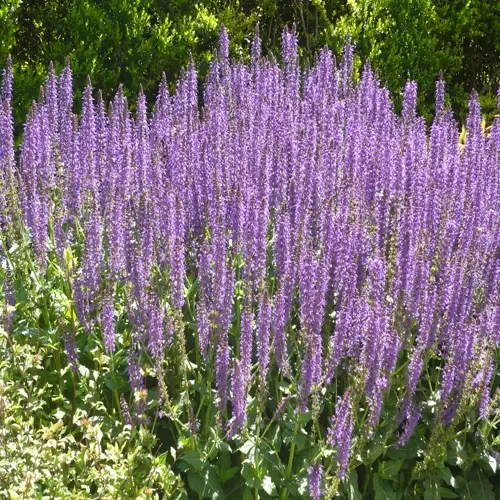
Your best clay garden perennials include coneflower with its pink or purple daisy-like blooms. Black-eyed Susan offers yellow flowers that attract butterflies to your yard. Yarrow spreads into dense mats of feathery foliage. Russian sage provides tall spikes of blue flowers. Daylilies come in many colors and handle clay with ease.
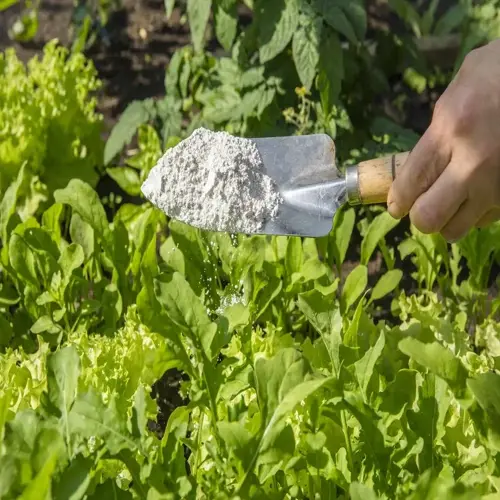
You can improve clay soil to grow more plant types if you want more options. Add two to three inches of compost on top of your beds each year. Work it into the top layer without digging deep. This builds organic matter over time and improves drainage. You can also build raised beds eight inches tall filled with better soil.
Start your clay garden with the proven survivors first. Plant coneflowers and black-eyed Susans where you have the heaviest soil. Add yarrow along edges where you need ground cover. Try Russian sage in spots that drain a bit faster. Watch how each plant performs for a full year before adding more of the same kind.
Read the full article: Best Drought Tolerant Perennials for Gardens