
Introduction
Deer resistant plants can save your garden from the growing threat that most homeowners face today. Back in 1930, North America had around 300,000 white-tailed deer roaming the wild. Today that number has hit over 30 million deer looking for their next meal in your flower beds.
I spent years watching deer damage garden beds before I learned which plants deer avoid and why they skip them. The harm goes far beyond ruined hostas and nibbled tulips. Deer cause 58% of all wildlife crop damage in the United States, costing hundreds of millions each year.
Rutgers has tested 527 plants and rated them for deer resistance. They sort these plants into four groups from rarely damaged to often damaged. This data gives you real facts to work with instead of guesswork and myths.
A deer proof garden works like a menu that deer find gross rather than a fence you need to fix. You don't need tall barriers or sprays when you pick plants with traits deer want to skip. Strong scents, fuzzy textures, and bitter tastes all send deer to eat somewhere else.
Best Deer Resistant Plants
You need to know the four traits that make deer resistant plants work in your garden. Penn State found that aromatic oils and fuzzy textures rank among the top deer deterrent plants. Toxic compounds and bitter tastes round out your best options for plants deer won't eat.
When I first started gardening, I lost dozens of plants to deer before I learned what works. Rutgers rates deer tolerant plants in four tiers based on damage. The plants below all fall into their rarely damaged group, and I grow most of these deer repellent plants in my own yard.
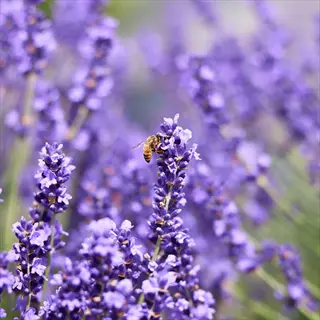
Lavender
- Deer Deterrence: Lavender's strong aromatic oils make it one of the most reliably deer resistant plants, rated as rarely damaged by multiple university extension services.
- Growing Conditions: Thrives in full sun with well-drained soil, tolerates drought once established, and grows best in zones four through nine.
- Size and Spread: Most varieties reach 12 to 24 inches (30 to 60 centimeters) tall with a similar spread, forming attractive mounded shapes.
- Bloom Period: Purple flower spikes appear from early summer through fall, providing long-lasting color and fragrance throughout the growing season.
- Garden Uses: Plant as borders, in herb gardens, or mass plantings where the aromatic foliage creates a natural deer barrier.
- Pollinator Benefit: Attracts bees, butterflies, and other beneficial insects while repelling deer, making it ideal for wildlife-friendly gardens.
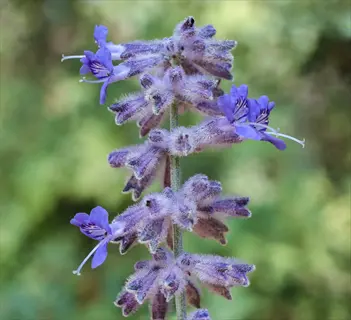
Russian Sage
- Deer Deterrence: The silvery aromatic foliage and strong scent make Russian sage consistently deer resistant across all growing regions.
- Growing Conditions: Requires full sun and excellent drainage, tolerates poor soil and drought, thriving in zones four through nine.
- Size and Spread: Grows three to four feet (90 to 120 centimeters) tall and wide, creating impressive vertical interest in garden beds.
- Bloom Period: Lavender-blue flower spikes bloom from midsummer through fall, providing months of color when many other plants have faded.
- Garden Uses: Works beautifully in mixed borders, as specimen plants, or massed for dramatic sweeps of blue-gray color.
- Care Requirements: Cut back to six inches (15 centimeters) in early spring to promote vigorous new growth and maintain plant shape.
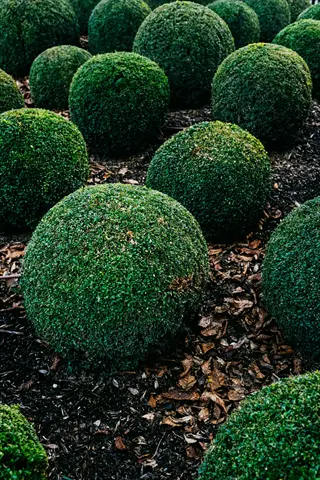
Boxwood
- Deer Deterrence: Boxwood contains alkaloid compounds that make it distasteful to deer, earning consistently high deer resistance ratings.
- Growing Conditions: Adapts to sun or partial shade with moist, well-drained soil, growing successfully in zones five through nine.
- Size and Spread: Varieties range from dwarf forms under two feet (60 centimeters) to large shrubs reaching 15 feet (4.5 meters) tall.
- Evergreen Structure: Provides year-round green foliage and structure, maintaining garden presence through winter months.
- Garden Uses: Excellent for formal hedges, foundation plantings, topiaries, and as anchoring elements in perennial borders.
- Variety Selection: Choose blight-resistant varieties like 'Green Velvet' or 'Green Mountain' for best long-term performance.
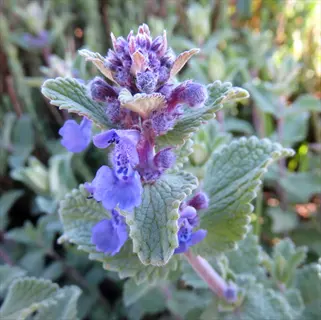
Catmint
- Deer Deterrence: Strong aromatic oils in catmint foliage create an effective deer deterrent while attracting beneficial pollinators.
- Growing Conditions: Prefers full sun to light shade with average, well-drained soil, hardy in zones three through eight.
- Size and Spread: Forms neat mounds 12 to 36 inches (30 to 90 centimeters) tall depending on variety, spreading gradually.
- Bloom Period: Blue-purple flower spikes bloom from late spring through fall, especially with regular deadheading to encourage reblooming.
- Garden Uses: Ideal for edging paths and borders, softening hardscape edges, and creating fragrant garden pathways.
- Companion Planting: Plant around roses and other deer-attractive plants to provide aromatic protection for vulnerable specimens.
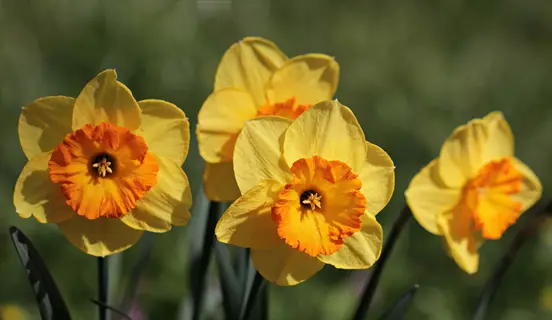
Daffodils
- Deer Deterrence: All parts of daffodils contain toxic alkaloids that deer instinctively avoid, making them extremely deer resistant.
- Growing Conditions: Plant bulbs in fall in sun to partial shade with well-drained soil, hardy in zones three through nine.
- Size and Spread: Heights range from six inches (15 centimeters) for miniature types to 20 inches (50 centimeters) for large trumpet varieties.
- Bloom Period: Flowers appear in early to mid-spring, providing cheerful color when most gardens are just waking up.
- Naturalization: Daffodils multiply over time and return reliably year after year, creating expanding drifts of spring color.
- Garden Uses: Plant in borders, under deciduous trees, or naturalize in lawns for early season deer-resistant color.
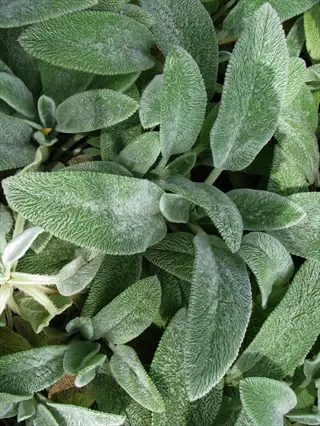
Lamb's Ear
- Deer Deterrence: The thick fuzzy leaves feel unpleasant to deer mouths, providing excellent deer resistance through texture alone.
- Growing Conditions: Thrives in full sun with well-drained soil, tolerates drought and poor soil once established in zones four through eight.
- Size and Spread: Low-growing foliage stays under 12 inches (30 centimeters) with flower stalks reaching two feet (60 centimeters).
- Foliage Appeal: Soft silvery-gray leaves provide beautiful contrast with green-leaved plants and maintain interest throughout the growing season.
- Garden Uses: Perfect for edging borders, rock gardens, children's gardens, and areas where touchable texture is desired.
- Spread Control: Remove flower stalks before seeding to prevent excessive spreading and maintain compact growth habit.
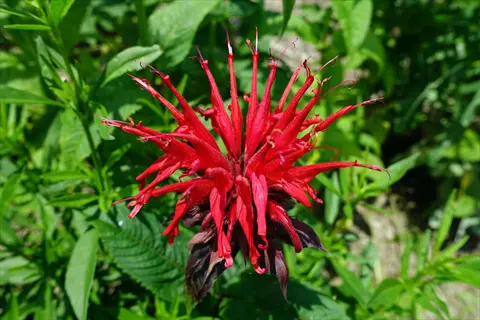
Bee Balm
- Deer Deterrence: Aromatic foliage with a minty scent makes bee balm consistently deer resistant while attracting hummingbirds and butterflies.
- Growing Conditions: Prefers full sun to part shade with moist, rich soil, growing well in zones three through nine.
- Size and Spread: Grows two to four feet (60 to 120 centimeters) tall and spreads gradually through underground runners.
- Bloom Period: Shaggy flower heads in red, pink, purple, or white bloom from midsummer through late summer.
- Disease Resistance: Choose mildew-resistant varieties like 'Jacob Cline' or Balmy series for best performance in humid climates.
- Wildlife Value: Provides nectar for hummingbirds, bees, and butterflies while seeds feed birds in fall and winter.
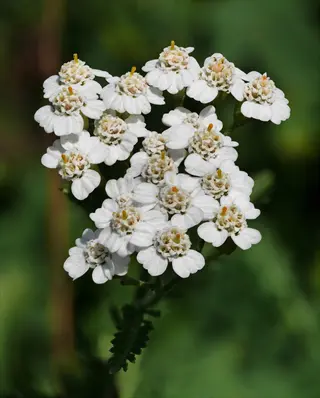
Yarrow
- Deer Deterrence: Strong aromatic foliage with a distinctive scent makes yarrow reliably deer resistant across all regions.
- Growing Conditions: Requires full sun with average to poor, well-drained soil, thriving in zones three through nine.
- Size and Spread: Grows one to three feet (30 to 90 centimeters) tall with feathery foliage spreading two feet (60 centimeters) wide.
- Bloom Period: Flat-topped flower clusters in white, yellow, pink, or red bloom from early summer through fall.
- Drought Tolerance: Extremely drought tolerant once established, making it ideal for low-water and xeriscaping gardens.
- Cut Flowers: Makes excellent fresh or dried cut flowers, adding value beyond deer resistance in the landscape.
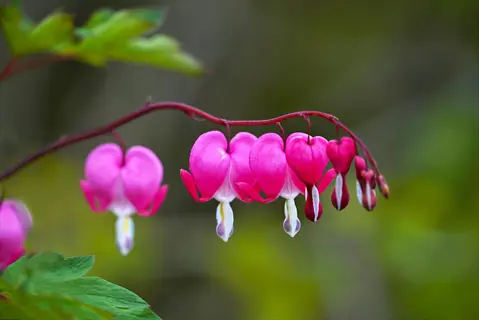
Bleeding Heart
- Deer Deterrence: Contains alkaloid compounds toxic to deer, providing reliable protection in shaded garden areas.
- Growing Conditions: Prefers partial to full shade with moist, humus-rich soil, hardy in zones three through nine.
- Size and Spread: Old-fashioned varieties grow two to three feet (60 to 90 centimeters) tall; fringed types stay more compact.
- Bloom Period: Distinctive heart-shaped flowers dangle from arching stems in spring, with fringed types blooming longer into summer.
- Foliage Behavior: Traditional bleeding heart foliage dies back in summer heat; plant with ferns or hostas to fill the gap.
- Shade Garden Role: Provides essential deer resistance in shady areas where deer resistant options are more limited.
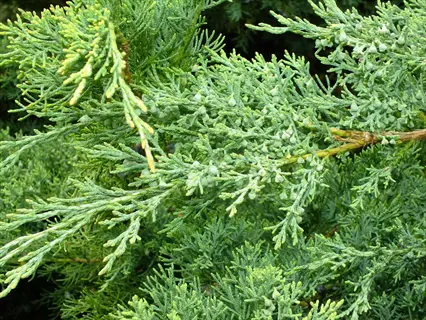
Juniper
- Deer Deterrence: Prickly needles and aromatic oils make junipers consistently deer resistant as ground covers, shrubs, or trees.
- Growing Conditions: Requires full sun with well-drained soil, extremely adaptable to poor soil and drought in zones three through nine.
- Size Range: Options range from four-inch (10 centimeter) tall creeping ground covers to 40-foot (12 meter) tall upright trees.
- Evergreen Value: Blue-green, green, or gold foliage provides year-round structure and color in the landscape.
- Garden Uses: Ground cover types control erosion on slopes; shrub forms work as foundation plants or screens.
- Berry Production: Female plants produce blue berry-like cones that provide winter food for birds and wildlife.
Perennials Deer Avoid
Your best bet for deer resistant perennials comes from plants that bloom in waves through the growing season. Penn State found 47 perennial species that deer rarely touch, giving you plenty of choices. I group my deer resistant flowers by bloom time so my garden stays protected from spring through fall.
Spring succulent growth can get nibbled even on plants deer normally skip. That's why you need a mix of long-lived deer resistant plants that mature at different times. The table below shows perennial plants deer won't eat and tells you which deterrent type each one uses.
You can see a pattern in the table above. Plants with toxic compounds offer the strongest protection since deer learn to avoid them. Aromatic and rough textured plants give you solid backup options that work well in most gardens.
Shrubs and Trees Deer Skip
Deer resistant shrubs and deer resistant trees form the bones of your garden's defense system. These woody plants deer avoid give you structure that lasts for decades. I learned early on that you need to skip certain plants like arborvitae that deer love to eat.
Cornell warns that arborvitae, balsam fir, and yew rank among the most damaged plants in deer country. Evergreen deer resistant options like juniper and boxwood stand strong year after year. You can use deer resistant hedges to create safe zones for your tender plants.
Boxwood Varieties
- Landscape Role: Boxwood serves as the backbone of deer resistant formal gardens, providing structure year-round with its dense evergreen foliage.
- Deer Deterrence Mechanism: Alkaloid compounds throughout the plant create a bitter taste that deer consistently avoid even when other food is scarce.
- Recommended Varieties: Choose 'Green Velvet' for hedging, 'Green Mountain' for pyramidal form, or 'Wintergreen' for cold hardiness in northern zones.
- Maintenance Level: Requires minimal pruning once established, though annual shaping maintains formal appearance and encourages dense growth.
- Companion Strategy: Use boxwood hedges to create protected garden rooms where more vulnerable plants can grow safely inside the boundary.
Juniper Species
- Landscape Role: Junipers offer unmatched versatility from ground-hugging spreaders to tall columnar forms, all with excellent deer resistance.
- Deer Deterrence Mechanism: Prickly needle-like foliage combined with aromatic oils makes junipers physically and chemically unpalatable to browsing deer.
- Recommended Varieties: 'Blue Rug' for ground cover, 'Blue Star' for accent, 'Skyrocket' for vertical interest, or Eastern red cedar for screening.
- Drought Tolerance: Once established, junipers require minimal supplemental water, reducing the irrigation that attracts deer to landscapes.
- Wildlife Benefit: Berry-like cones on female plants provide essential winter food for birds while the dense foliage offers protective cover.
Spirea Cultivars
- Landscape Role: Deciduous spireas provide three-season interest with spring flowers, summer foliage color, and fall leaf changes.
- Deer Deterrence Mechanism: Spirea's naturally bitter-tasting stems and foliage rank it among seldom-damaged shrubs in university extension ratings.
- Recommended Varieties: 'Goldflame' for colorful foliage, 'Bridal Wreath' for cascading white blooms, or 'Little Princess' for compact pink flowers.
- Easy Care Nature: Spireas tolerate a wide range of conditions and recover quickly from any occasional deer browse with vigorous regrowth.
- Foundation Planting: Their moderate size and deer resistance make spireas ideal for planting near homes where deer damage is most visible.
Mountain Laurel
- Landscape Role: Native mountain laurel provides spectacular late spring blooms in shaded woodland gardens where deer resistant options are limited.
- Deer Deterrence Mechanism: Contains grayanotoxins throughout all plant parts that deer instinctively avoid due to their toxic effects.
- Growing Requirements: Prefers acidic, well-drained soil in partial shade, similar conditions to rhododendrons but with much better deer resistance.
- Evergreen Value: Dark green glossy leaves remain attractive year-round, providing structural interest even when not in bloom.
- Native Plant Benefit: As a North American native, mountain laurel supports local ecosystems while deterring the deer that threaten native plant populations.
Butterfly Bush
- Landscape Role: Fast-growing butterfly bush creates quick screening and abundant summer flowers that attract pollinators while deterring deer.
- Deer Deterrence Mechanism: Strongly aromatic foliage and bitter-tasting stems make butterfly bush consistently deer resistant across all regions.
- Recommended Varieties: Choose sterile cultivars like 'Miss Molly' or Lo and Behold series to prevent invasive spreading in natural areas.
- Pruning Requirements: Cut back to 12 inches (30 centimeters) in late winter to maintain vigorous growth and maximum flower production.
- Pollinator Magnet: Despite deer resistance, butterfly bush attracts butterflies, hummingbirds, and bees throughout its long summer bloom period.
Spruce Trees
- Landscape Role: Colorado blue spruce and Norway spruce provide deer resistant evergreen structure for windbreaks, screens, and specimen plantings.
- Deer Deterrence Mechanism: Sharp needles and resinous sap create physical and chemical barriers that deer prefer to avoid when browsing.
- Size Considerations: Most spruces grow large over time, requiring adequate space for mature size reaching 40 to 60 feet (12 to 18 meters).
- Alternative to Arborvitae: Choose spruce instead of arborvitae for deer prone areas since arborvitae ranks among most frequently damaged plants.
- Winter Interest: Blue-green to silver needle colors provide year-round visual interest and contrast with deciduous plants in the landscape.
Deer get about one third of their water from plants, which makes your irrigated shrubs look tasty. Use drought tolerant deer resistant trees on your property edges to reduce what draws them in.
Deer Resistant Groundcovers
Deer resistant groundcovers fill an important gap that most gardening guides miss. You need these ground cover plants deer avoid to carpet slopes, control erosion, and cover bare soil. Maryland DNR found that several ferns like Christmas fern work great as deer resistant shade plants.
I use groundcovers to create a living mulch that deer skip while weeds struggle to grow. The key is knowing whether each plant spreads by runners or stays in clumps. Running types can take over, so you need to plan where you plant them for deer resistant erosion control.
Pachysandra
- Coverage Pattern: Japanese pachysandra spreads through underground runners to form dense mats of glossy evergreen foliage in shade.
- Deer Deterrence: Contains alkaloid compounds that create bitter taste, earning high deer resistance ratings in university studies.
- Light Requirements: Thrives in partial to full shade where it outcompetes many weeds while tolerating dry shade once established.
- Height and Texture: Grows six to eight inches (15 to 20 centimeters) tall with whorled leaves creating a uniform carpet appearance.
- Establishment Time: Space plants eight to 12 inches (20 to 30 centimeters) apart for coverage within two to three growing seasons.
Lamb's Ear
- Coverage Pattern: Forms spreading mats of soft silvery foliage that root where stems touch ground, creating gentle deer resistant carpets.
- Deer Deterrence: Thick fuzzy leaf texture feels unpleasant in deer mouths, providing reliable protection through physical means.
- Light Requirements: Prefers full sun with excellent drainage, making it ideal for hot dry slopes where other groundcovers struggle.
- Flower Control: Choose 'Big Ears' or remove flower stalks to maintain neat foliage appearance in your garden.
- Design Uses: Silver foliage provides stunning contrast when planted beneath purple or pink flowering perennials in sunny borders.
Lady's Mantle
- Coverage Pattern: Clumping perennial spreads through self-seeding to create soft mounds of scalloped leaves with chartreuse flower sprays.
- Deer Deterrence: Fuzzy leaf texture and bitter taste combine to make lady's mantle deer resistant in most regions.
- Light Requirements: Performs best in partial shade with consistent moisture but tolerates more sun in cooler climates.
- Foliage Appeal: Scalloped leaves catch and hold water droplets after rain or dew, creating jewel-like morning displays in your garden.
- Edge Softening: Perfect for softening path edges and stone walls where the billowing habit creates romantic cottage garden effects.
Creeping Thyme
- Coverage Pattern: Low-growing aromatic groundcover forms tight mats two to three inches (5 to 8 centimeters) tall between stepping stones.
- Deer Deterrence: Strong aromatic oils in foliage create effective deer deterrence while releasing pleasant fragrance when walked upon.
- Light Requirements: Requires full sun and excellent drainage to prevent root rot, tolerating poor soil and drought once established.
- Bloom Display: Tiny pink, purple, or white flowers cover plants in early summer, attracting bees while deterring deer from your yard.
- Walkable Surface: Tolerates light foot traffic, making it ideal for planting between pavers, flagstones, or along path edges.
Christmas Fern
- Coverage Pattern: Native evergreen fern forms clumps of arching fronds that spread to create deer resistant masses over time.
- Deer Deterrence: Leathery frond texture and lack of palatability make Christmas fern among the most reliable deer resistant ferns.
- Light Requirements: Thrives in partial to full shade with moist, humus-rich soil typical of woodland garden conditions.
- Evergreen Value: Dark green fronds persist through winter, providing year-round structure in shade gardens where options are limited.
- Native Benefit: As a North American native, Christmas fern supports local ecosystems while providing deer resistance in woodland settings.
Lily of the Valley
- Coverage Pattern: Spreads fast through underground rhizomes, covering large shaded areas with dense colonies of foliage.
- Deer Deterrence: Contains cardiac glycosides that make all plant parts toxic to deer and other mammals including pets and humans.
- Light Requirements: Tolerates deep shade where few other plants survive, though blooms best with some filtered light.
- Fragrant Blooms: White bell-shaped flowers appear in spring with intense fragrance, valued for cutting despite their toxic nature.
- Containment Warning: Plant where spreading is acceptable or install root barriers to prevent invasion of other garden areas.
These groundcovers also suppress weeds once they fill in, giving you less work in the garden. I found that combining deer resistant shade plants with sunny options lets you carpet an entire property.
Why Deer Avoid Certain Plants
Knowing why deer avoid plants helps you pick winners even when they're not on any list. K-State research found that deer skip plants high in sulfur because these compounds can be toxic. Deer browse like picky food critics, testing smell, texture, and taste before they commit to eating.
Your nose might love lavender, but a deer's sensitive nose finds aromatic plants deer avoid to be too strong. I think of it like walking into a perfume shop where the scent hits you before you even see the bottles. Fuzzy leaves deer resistant plants work because that texture feels wrong in their mouths.
The table below breaks down each deterrent type and shows you the science behind plant textures deer hate. Once you know these patterns, you can spot toxic plants deer avoid just by looking at the leaves.
Cornell and Penn State found that deer pick what they eat based on plant species, not native status. When I tested this in my own yard, deer ate my native hostas and skipped the non-native lavender. Deer want plants high in protein that are easy to digest, which is why your well-fed garden plants get hit first.
5 Common Myths
If a plant is labeled deer resistant it means deer will never eat it under any circumstances regardless of conditions.
Rutgers Cooperative Extension rates 527 plants on deer damage frequency, using 'rarely damaged' rather than 'deer proof' because under severe food scarcity deer will eat almost anything.
Deer resistant plants only work in certain regions and the same plants will not deter deer in different parts of the country.
Penn State Extension confirms plants with strong aromatic compounds, fuzzy textures, or toxic properties deter deer consistently across geographic areas regardless of regional deer populations.
Young deer resistant plants are just as protected as mature specimens and need no extra care during establishment.
University of Georgia research shows new succulent growth on any plant is vulnerable to browsing until plants develop mature characteristics like woody stems or concentrated oils.
Deer avoid all native plants because they evolved together and deer learned which plants to skip over generations.
Cornell University research demonstrates deer actually reduce native plant diversity by sixteen percent while increasing invasive species coverage in browsed forest areas.
Commercial deer repellent sprays make any plant deer resistant so you can grow whatever you want in deer prone areas.
Penn State research shows repellent sprays require frequent reapplication and lose effectiveness as deer become accustomed to them, making plant selection the most reliable long-term strategy.
Conclusion
Deer resistant plants work through four main defenses: aroma, texture, toxicity, and taste. Now you know how to spot winners and protect plants from deer using science instead of guesswork. With deer numbers at historic highs across the country, smart plant choices matter more than ever.
Rutgers tested 527 plants and rated each one so you don't have to learn through trial and error like I did. Start with their rarely damaged list for your first deer resistant landscaping projects. Once those establish, you can try plants from the seldom damaged group to expand your options.
From what I've seen, the best deer proof garden uses layers of protection. Put aromatic shrubs around the edges and fill beds with textured perennials. Add toxic bulbs throughout so deer resistant plants get more chances to turn deer away.
You now have all the tools to build a garden that thrives even with deer around. Pick a few plants from each category and watch your landscape become a place deer choose to skip.
External Sources
Frequently Asked Questions
What potted plants will deer not eat?
Container plants deer typically avoid include lavender, rosemary, sage, ornamental grasses, boxwood, and marigolds due to their strong scents or textures.
What plants deter deer from vegetable gardens?
Plants that deter deer from vegetable gardens:
- Lavender planted as border protection
- Rosemary around garden perimeters
- Sage interplanted between vegetables
- Marigolds at garden edges
- Chives near vulnerable crops
What is the best ground cover that deer won't eat?
Pachysandra, lamb's ear, lily of the valley, and lady's mantle are among the best deer resistant groundcovers due to their texture or toxic compounds.
Does lavender really keep deer away?
Yes, lavender is rated as rarely damaged by deer in university studies due to its strong aromatic oils that deer find unpleasant.
What companion plants keep deer away?
Effective deer deterrent companion plants:
- Catmint around roses
- Russian sage near hostas
- Bee balm protecting vulnerable perennials
- Ornamental onions throughout beds
- Yarrow as protective borders
Do marigolds keep deer away?
Marigolds have some deer deterrent properties due to their pungent scent, though they work best when combined with other aromatic plants.
How do you keep deer out of your garden naturally?
Natural deer deterrent methods:
- Plant aromatic herbs as borders
- Use fuzzy textured plants
- Include toxic-to-deer species like daffodils
- Create layered plantings
- Install motion activated sprinklers
Do deer eat begonias?
Deer occasionally eat begonias when food is scarce, making them moderately deer resistant rather than deer proof.
What herbs will deer not eat?
Deer typically avoid most culinary herbs including lavender, rosemary, sage, thyme, oregano, and mint due to their strong aromatic compounds.
Can deer resistant plants attract pollinators?
Many deer resistant plants attract pollinators:
- Bee balm draws bees and hummingbirds
- Catmint attracts butterflies
- Russian sage supports native bees
- Coneflower feeds butterflies
- Lavender is a pollinator favorite