
Introduction
About 42 million households in the United States now grow food at home. Cool season vegetables give these gardeners a secret weapon for longer harvests. Most people think gardening only happens when the weather turns warm. That belief leaves months of prime growing time on the table.
I spent years assuming my garden had to sit empty during spring and fall. Then I learned that frost tolerant vegetables prefer cooler temps to sprout and grow strong. These cold weather crops thrive when summer favorites would struggle or die.
Think of these crops as the shoulder season of your garden. Spring planting and fall gardening can add 1 to 2 months of harvesting on each end of your typical summer window. That extra time means more fresh food on your table.
This guide covers everything you need to know about growing vegetables in cooler weather. You will learn which crops handle frost best. You will find out when to plant them in your area and how to avoid common mistakes.
Cool Season Vegetables List
Picking the right crops makes all the difference when you garden in cooler weather. I grouped these frost tolerant vegetables into categories based on how they grow and what parts you eat. Leafy greens, root vegetables, brassicas, and alliums each have their own needs.
Every vegetable on this list packs high levels of Vitamins A and C. Many also contain calcium and iron that your body needs. Cold hardy crops often taste better than their summer versions because cool temps bring out natural sugars.
I added difficulty ratings to help you pick a starting point. Beginners should start with the easier crops and work up from there. The cabbage family and cole crops take more skill but reward you with bigger harvests.
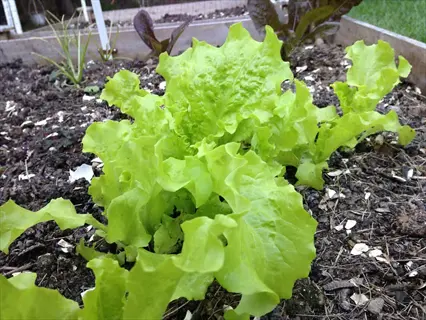
Lettuce
- Category: Leafy Greens - one of the fastest cool season options, ready to harvest in 30 to 60 days based on variety and whether you pick baby leaves or full heads.
- Temperature Range: Grows best between 45°F to 65°F (7°C to 18°C) and tolerates light frost down to 28°F (-2°C), though long cold spells make leaves tough and bitter.
- Growing Difficulty: Beginner crop that needs minimal space and adapts well to containers, raised beds, and garden rows with 12 inches (30 centimeters) spacing for head types.
- Nutritional Value: Rich in Vitamin A, Vitamin K, and folate. Darker leaf types like romaine provide more nutrients than iceberg.
- Best Planting Time: Direct sow seeds when soil reaches 40°F (4°C) in spring, or plant 8 to 10 weeks before first fall frost for autumn harvests.
- Common Varieties: Romaine, butterhead, loose leaf, and crisphead types each offer different textures, flavors, and heat tolerance levels.
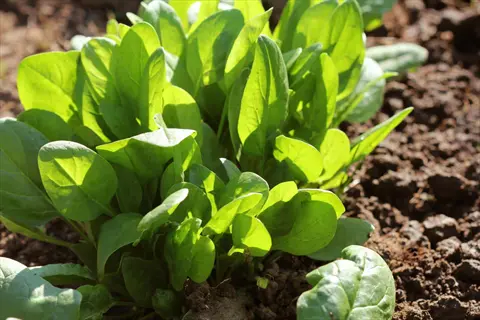
Spinach
- Category: Leafy Greens - a nutrient powerhouse that sprouts better in cooler soils than warm conditions, making it ideal for early spring planting.
- Temperature Range: Thrives between 35°F to 75°F (2°C to 24°C) and tolerates hard frosts down to 20°F (-7°C). Cold hardy types survive even colder with protection.
- Growing Difficulty: Beginner crop with direct seeding at half inch (1.3 centimeter) depth and 6 inches (15 centimeters) spacing, though bolts fast once temps exceed 75°F (24°C).
- Nutritional Value: High in iron, calcium, Vitamins A and C, and antioxidants, making it one of the most nutritious vegetables in your garden.
- Best Planting Time: Plant 4 to 6 weeks before last spring frost and again 6 to 8 weeks before first fall frost for the sweetest, most tender leaves.
- Common Varieties: Bloomsdale, Tyee, and Space hybrids offer different bolt resistance levels. Malabar spinach provides a heat tolerant summer option.
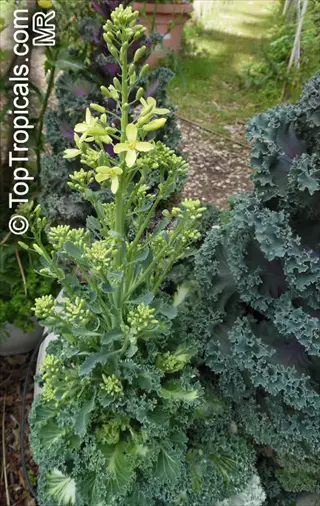
Kale
- Category: Brassica/Cole Crop - a cold hardy superfood that becomes sweeter after frost exposure as the plant converts starches to sugars for protection.
- Temperature Range: Grows well between 40°F to 75°F (4°C to 24°C) and is frost hardy below 28°F (-2°C). Mature plants survive temps as low as 15°F (-9°C).
- Growing Difficulty: Beginner to intermediate, needs 12 to 18 inches (30 to 46 centimeters) spacing and consistent moisture to prevent tough, bitter leaves.
- Nutritional Value: Contains more Vitamin C than oranges, high levels of Vitamin K and A, plus calcium, iron, and powerful antioxidants.
- Best Planting Time: Start indoors 4 to 6 weeks before last frost for spring harvest, or direct sow in mid summer for fall and winter harvesting.
- Common Varieties: Curly kale, Lacinato, Red Russian, and Siberian types vary in cold tolerance, texture, and culinary uses.
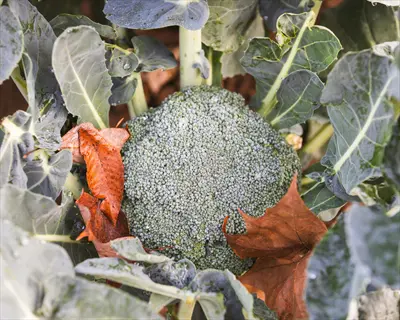
Broccoli
- Category: Brassica/Cole Crop - produces large central heads followed by smaller side shoots, extending harvest for weeks when you maintain the plant well.
- Temperature Range: Ideal growing temps between 60°F to 70°F (16°C to 21°C), tolerates light frost and improves in flavor after brief cold exposure.
- Growing Difficulty: Intermediate level needs 18 to 24 inches (46 to 61 centimeters) spacing, consistent watering, and protection from cabbage family pests.
- Nutritional Value: High in Vitamins C and K, fiber, and sulforaphane, a compound studied for potential health benefits.
- Best Planting Time: Transplant seedlings 2 to 4 weeks before last spring frost, or start fall crops 85 to 100 days before first expected fall frost.
- Common Varieties: Calabrese, Waltham 29, and Green Magic offer different maturity times. Sprouting types produce over extended periods.
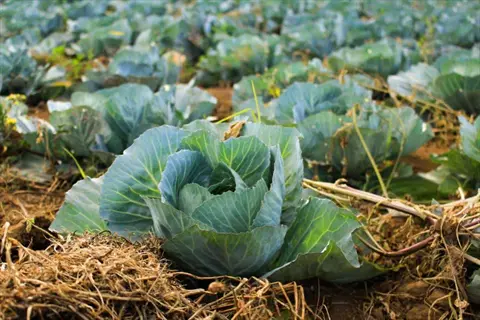
Cabbage
- Category: Brassica/Cole Crop - forms tight heads that store well, making it valuable for winter food storage and extended fresh eating.
- Temperature Range: Grows between 45°F to 75°F (7°C to 24°C) and tolerates frost down to 25°F (-4°C). Some types handle even colder temps.
- Growing Difficulty: Intermediate needs 18 to 24 inches (46 to 61 centimeters) spacing, consistent moisture, and pest management for cabbage worms and aphids.
- Nutritional Value: Rich in Vitamin C, Vitamin K, and fiber. Red cabbage contains extra anthocyanin antioxidants.
- Best Planting Time: Transplant 2 to 4 weeks before last spring frost, or start fall crops 12 to 14 weeks before first frost for storage heads.
- Common Varieties: Green, red, savoy, and Napa types offer different textures, storage abilities, and culinary uses from coleslaw to fermentation.
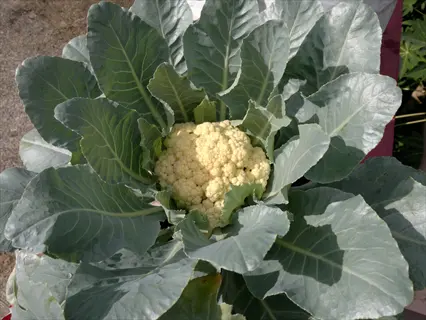
Cauliflower
- Category: Brassica/Cole Crop - the most temp sensitive of the brassicas, needs consistent cool conditions for proper head formation.
- Temperature Range: Narrow optimal range of 60°F to 70°F (16°C to 21°C), tolerates light frost but heads discolor and quality drops with temp swings.
- Growing Difficulty: Advanced level needs 18 to 24 inches (46 to 61 centimeters) spacing, blanching for white types, and careful timing to avoid heat stress.
- Nutritional Value: Low in calories while providing Vitamin C, Vitamin K, and fiber. Colored types contain extra phytonutrients.
- Best Planting Time: Transplant in early spring for late spring harvest, or time fall plantings so heads mature during consistent cool temps.
- Common Varieties: Snowball, Purple Sicily, Cheddar, and Romanesco offer different colors, flavors, and growing needs.
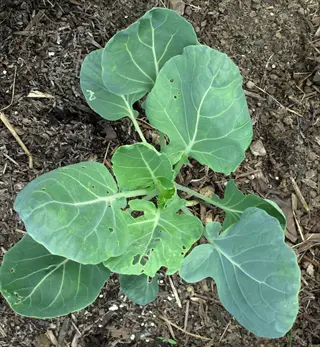
Brussels Sprouts
- Category: Brassica/Cole Crop - produces miniature cabbage heads along tall stalks, with flavor getting much better after multiple frost exposures.
- Temperature Range: Grows between 45°F to 75°F (7°C to 24°C) and is very frost hardy, tolerating temps down to 15°F (-9°C) with improved sweetness.
- Growing Difficulty: Intermediate to advanced, needs 24 inches (61 centimeters) spacing, long growing season of 90 to 120 days, and stalk support as sprouts develop.
- Nutritional Value: Very high in Vitamins C and K, fiber, and antioxidants. One cup provides over 100% daily Vitamin C needs.
- Best Planting Time: Start indoors in early summer for fall harvest. Time maturity to coincide with first frosts for sweetest flavor.
- Common Varieties: Long Island Improved, Jade Cross, and Diablo offer different heights, sprout sizes, and disease resistance.
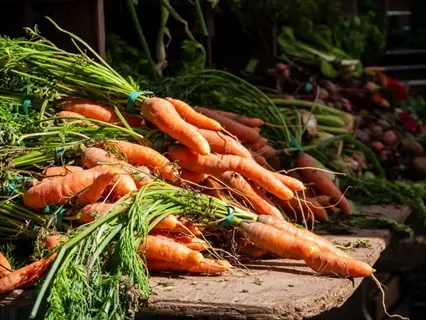
Carrots
- Category: Root Vegetable - develops sweeter flavor when soil temps drop below 40°F (4°C), making fall harvested carrots much better tasting.
- Temperature Range: Germinates between 45°F to 85°F (7°C to 29°C) and tolerates light frost. Roots become sweeter as temps cool in autumn.
- Growing Difficulty: Beginner to intermediate, needs loose soil free of rocks, consistent moisture for germination, and patience as seeds take 14 to 21 days to sprout.
- Nutritional Value: Exceptional source of beta carotene (Vitamin A), also providing Vitamin K, potassium, and fiber for digestive health.
- Best Planting Time: Direct sow 2 to 4 weeks before last spring frost, and again in mid summer for fall harvest when sugar content peaks.
- Common Varieties: Nantes, Chantenay, Danvers, and Imperator types suit different soil conditions. Shorter types perform better in heavy soils.
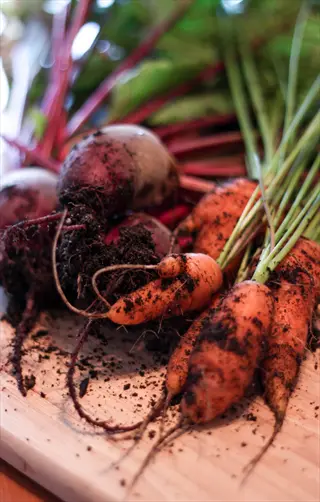
Beets
- Category: Root Vegetable - provides dual harvest value with both nutritious roots and edible greens that you can harvest throughout the growing season.
- Temperature Range: Grows between 50°F to 75°F (10°C to 24°C) and tolerates light frost to 28°F (-2°C), though long cold spells cause roots to become woody.
- Growing Difficulty: Beginner crop with easy germination, though seeds are seed clusters that need thinning to 3 to 4 inches (8 to 10 centimeters) spacing.
- Nutritional Value: Rich in folate, manganese, and nitrates that support heart health. Greens provide extra Vitamins A and K.
- Best Planting Time: Direct sow 2 to 3 weeks before last frost and succession plant every 2 to 3 weeks for continuous harvest through fall.
- Common Varieties: Detroit Dark Red, Chioggia, Golden, and Cylindra offer different colors, shapes, and storage traits.
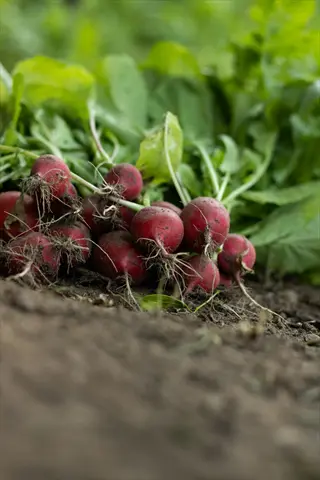
Radishes
- Category: Root Vegetable - the fastest cool season crop, with some types ready to harvest in just 25 to 30 days from seeding.
- Temperature Range: Grows best between 50°F to 65°F (10°C to 18°C) and tolerates light frost, but becomes fibrous and sharp tasting in hot weather above 80°F (27°C).
- Growing Difficulty: Beginner level needs minimal space, direct seeding at half inch (1.3 centimeters) depth, and quick turnaround for fast results.
- Nutritional Value: Good source of Vitamin C, potassium, and digestive enzymes. Leaves are also edible and nutritious when young.
- Best Planting Time: Plant when soil is workable in spring and continue succession planting until temps warm. Resume in late summer for fall.
- Common Varieties: Cherry Belle, French Breakfast, Easter Egg mix, and winter storage types like Daikon and Black Spanish offer varied flavors and uses.
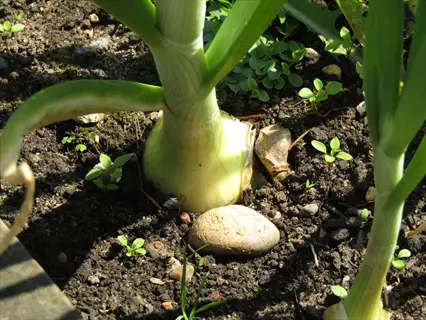
Onions
- Category: Allium - available as sets, transplants, or seeds with different day length needs based on your latitude (short, intermediate, or long day).
- Temperature Range: Cold hardy between 20°F to 75°F (-7°C to 24°C) based on type. Growth slows but plants survive through cold winters.
- Growing Difficulty: Beginner to intermediate based on method. Sets are easiest while seeds need more skill and longer timeline.
- Nutritional Value: Contains quercetin and sulfur compounds with antimicrobial properties, plus Vitamin C and dietary fiber.
- Best Planting Time: Plant sets or transplants 4 to 6 weeks before last frost, or start seeds indoors 8 to 10 weeks earlier for larger bulbs.
- Common Varieties: Yellow, red, and white storage onions, sweet types like Vidalia, and bunching types for fresh use offer options for every kitchen.
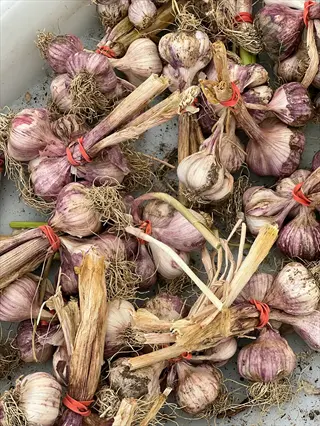
Garlic
- Category: Allium - planted in fall for harvest the next summer. Needs cold exposure to form full sized bulbs.
- Temperature Range: Very cold hardy, surviving winter temps below 0°F (-18°C) when mulched. Growth resumes in spring warmth.
- Growing Difficulty: Beginner once you understand planting timing. Needs fall planting, mulching, and patience through winter dormancy.
- Nutritional Value: Contains allicin and other sulfur compounds studied for immune support and heart benefits, plus manganese and Vitamin B6.
- Best Planting Time: Plant individual cloves 4 to 6 weeks before ground freezes in fall. This means October to November in most regions.
- Common Varieties: Hardneck types produce scapes and store 4 to 6 months. Softneck types store longer and grow better in mild climates.
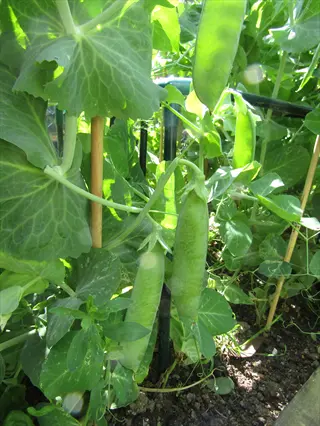
Peas
- Category: Legume - nitrogen fixing plants that improve soil health while producing sweet, edible pods and seeds in cool spring conditions.
- Temperature Range: Germinates in soil as cool as 40°F (4°C) and grows best between 55°F to 70°F (13°C to 21°C). Declines fast when temps exceed 80°F (27°C).
- Growing Difficulty: Beginner crop with direct seeding at 1 inch (2.5 centimeters) depth, though climbing types need trellising support.
- Nutritional Value: High in protein for a vegetable, plus fiber, Vitamins A and C, and folate. Shoots and tendrils are also edible.
- Best Planting Time: Plant when soil thaws in spring. One of the earliest crops possible. Plant again in late summer where fall conditions permit.
- Common Varieties: Shelling peas, snow peas, and snap peas offer different eating styles. Bush and climbing growth habits are available.
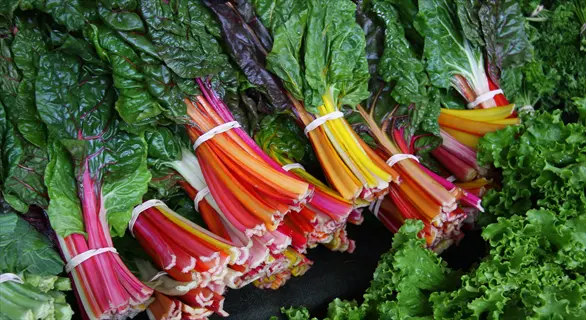
Swiss Chard
- Category: Leafy Greens - a cut and come again crop producing colorful stems and nutritious leaves all through the growing season.
- Temperature Range: Grows between 40°F to 85°F (4°C to 29°C) with good heat tolerance for a cool season crop, while handling light frost to 28°F (-2°C).
- Growing Difficulty: Beginner crop with direct seeding or transplanting, producing harvest within 50 to 60 days and continuing for months.
- Nutritional Value: Very high in Vitamins A and K, plus magnesium, potassium, and iron. Colorful stems indicate different antioxidant profiles.
- Best Planting Time: Direct sow 2 to 3 weeks before last frost and succession plant, or start a fall crop that will often overwinter with protection.
- Common Varieties: Bright Lights rainbow mix, Fordhook Giant, Ruby Red, and White Silver offer different stem colors and leaf textures.
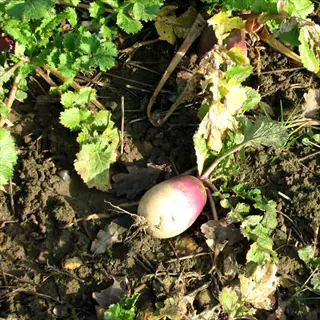
Turnips
- Category: Root Vegetable - fast growing dual purpose crop providing both edible roots and nutritious greens within 40 to 60 days of planting.
- Temperature Range: Grows best between 40°F to 75°F (4°C to 24°C) and tolerates light frost. Roots become sweeter after cold exposure.
- Growing Difficulty: Beginner crop with direct seeding at half inch (1.3 centimeters) depth, thinning to 6 to 12 inches (15 to 30 centimeters) spacing.
- Nutritional Value: Roots provide Vitamin C and fiber. Greens are very high in Vitamins A, C, and K with calcium for bone health.
- Best Planting Time: Direct sow 2 to 4 weeks before last spring frost, and again in late summer for fall harvest when flavor peaks.
- Common Varieties: Purple Top White Globe for roots, Hakurei for sweet salad turnips, and Seven Top for nutritious greens production.
These 15 vegetables give you plenty of options for cool weather growing. Start with the beginner crops like lettuce, radishes, and peas to build your skills. Then move on to the brassicas and root vegetables as you gain experience in your garden.
When to Plant Cool Season Crops
Your planting schedule depends on where you live and what season you want to grow in. Spring planting is like catching an early flight to beat the rush. You get your seeds in the ground weeks before most gardeners even think about their plots.
I learned that fall planting offers even better conditions than spring in most areas. Pests slow down, soil stays moist longer, and many crops taste sweeter after light frost. The USDA updated zone planting guide maps in 2023, so check your current zone before planning.
Southern gardeners can plant about one week earlier than the dates below. Northern gardeners should wait about one week longer. Your last frost date and first frost date are the anchors for this whole planting calendar.
These dates work as a starting point for most gardeners across the country. Track your results each year and adjust your timing based on what you see. Your own garden will teach you more than any chart.
Growing Requirements
Getting your growing conditions right makes the difference between a struggling crop and a thriving harvest. I check my soil temperature the same way you test bath water for a baby. Consistent temp checks over several days tell you when conditions are safe.
Soil preparation matters more than most new gardeners realize. I lost an entire row of carrots one spring because my soil was too wet. Too much tilling destroys the soil structure and kills the helpful microbes your plants need to grow strong.
Below you will find tips on soil temperature testing and proper spacing requirements. Direct seeding works great for some crops. Others do better with seed starting indoors first for a head start on the season.
Soil Temperature Requirements
- Testing Method: Measure soil temp at 9 AM for seven days straight at 2 inches (5 centimeters) depth using a soil probe or kitchen thermometer to get accurate readings.
- Minimum for Seeding: Most cool season vegetables need soil temps of at least 40°F to 50°F (4°C to 10°C) for germination. Spinach sprouts better in cooler conditions.
- Optimal Range: The sweet spot for most cool season crops is 50°F to 65°F (10°C to 18°C) soil temp, which promotes quick germination without disease problems.
- Warming Techniques: Use black plastic mulch, cold frames, or low tunnels to warm soil 5°F to 10°F (3°C to 6°C) earlier in spring for advanced planting.
Soil Preparation Basics
- Workability Test: Squeeze a handful of soil. If it crumbles easy, soil is ready to work. If it forms a sticky ball, wait for drying to prevent compaction damage.
- Avoid Over Tilling: Too much tilling destroys soil structure and harms the helpful microbes that help plants access nutrients and resist disease.
- Drainage Needs: Waterlogged soils cause seeds to rot before germination. Ensure good drainage, especially in spring when soils tend to be wet.
- Amendment Timing: Add compost and amendments in fall to allow time for mixing in, or use aged materials that will not burn tender seedlings.
Spacing and Depth Guidelines
- Brassica Spacing: Broccoli, cabbage, and cauliflower need 18 to 24 inches (46 to 61 centimeters) between plants to allow for full head growth and air flow.
- Leafy Greens Spacing: Kale requires 12 to 18 inches (30 to 46 centimeters), head lettuce needs 12 inches (30 centimeters), while spinach can grow at 6 inches (15 centimeters) apart.
- Planting Depth: Most small seeds like lettuce plant at one eighth inch (3 millimeters), while larger seeds like peas go 1 inch (2.5 centimeters) deep.
- Root Crop Needs: Carrots, beets, and radishes need loose soil at least 12 inches (30 centimeters) deep for proper root growth without forking.
Sunlight and Location
- Full Sun Crops: Brassicas and root vegetables perform best with 6 to 8 hours of direct sunlight daily for proper head and root growth.
- Partial Shade Tolerant: Leafy greens like lettuce, spinach, and arugula prefer 3 to 6 hours of sun and may bolt faster in full sun spots.
- Winter Sun Angles: Sun position changes a lot in fall and winter, so you may need to relocate your garden to areas that get enough light.
- Companion Planting: Pair lettuce with its short roots next to deep rooted carrots to maximize garden space without competing for the same soil zone.
Watering Practices
- Consistent Moisture: Cool season vegetables need steady water supply, especially during germination and head formation, with 1 to 2 inches (2.5 to 5 centimeters) per week.
- Avoid Overhead Watering: Water at soil level when you can to prevent fungal diseases that thrive in cool, damp conditions on plant leaves.
- Mulching Benefits: Apply 2 to 3 inches (5 to 8 centimeters) of organic mulch to retain moisture, regulate soil temp, and reduce watering needs.
- Stress Prevention: Inconsistent watering causes bitterness in lettuce, cracking in root vegetables, and early bolting in many cool season crops.
Transplanting gives you more control during the early stage of growth. I start my brassicas indoors about 6 weeks before I plan to move them outside. This lets me time the move for ideal weather.
Frost Tolerance Guide
Think of frost tolerance like cold water swimming. Some vegetables are polar bear swimmers that love the chill. Brussels sprouts handle temps down to 15°F (-9°C). Others just test the water, like lettuce that only takes a light frost down to 28°F (-2°C).
The science behind cold tolerance explains why many crops taste better after frost. Plants convert starches into sugars as a form of cell protection. Your winter hardy vegetables will taste sweeter than summer produce from the same plot.
A light freeze happens between 28°F and 32°F (-2°C to 0°C). A hard freeze drops below 28°F (-2°C). Freeze tolerant plants survive hard freezes while frost tolerant ones handle only light frost. The table below shows exact thresholds for cold hardy crops.
Keep in mind that frost protection with row covers or cold frames extends these limits by 4°F to 8°F (2°C to 4°C). I use floating row covers on my lettuce beds to push them through light frosts that would hurt exposed plants.
Troubleshooting Common Problems
Every gardener faces problems with their cool season crops at some point. I have dealt with every issue on this list during my years of growing. The good news is that most common mistakes have simple fixes you can apply right away.
The best tip for troubleshooting garden problems? Pick the right variety. Choose crops suited to your climate to prevent issues. Bitter vegetables and vegetable pests give you less trouble when plants match your growing zone.
The list below covers the most frequent issues from bolting vegetables to pest damage. Each section includes causes, affected crops, and solutions you can use today. Pest control organic methods work great for most cool season gardens.
Bolting and Early Flowering
- Cause: Plants shift to seed mode when triggered by high temps above 75°F to 80°F (24°C to 27°C), longer days, or stress from inconsistent water and transplant shock.
- Affected Crops: Lettuce, spinach, cilantro, and arugula bolt most readily. Broccoli and cabbage may bolt instead of forming proper heads when stressed.
- Prevention: Choose bolt resistant varieties, plant at the right times to mature before summer heat, and provide afternoon shade during warm spells.
- Management: Once bolting begins, harvest right away as flavor declines fast. Consider leaving some plants to flower for beneficial insects and seed saving.
Bitter or Off Flavor Vegetables
- Cause: Heat stress, water stress from both drought and overwatering, plant aging, and temps outside the optimal 55°F to 75°F (13°C to 24°C) range trigger bitter compound production.
- Affected Crops: Lettuce becomes bitter fastest, followed by radishes that turn fibrous and sharp tasting. Brassicas develop sulfurous off flavors.
- Prevention: Maintain consistent soil moisture with mulching, harvest at peak maturity, and time plantings to avoid hot weather during harvest.
- Management: Harvest in early morning when sugar content peaks, remove outer leaves that may be more bitter, and blanch bitter greens before eating.
Failure to Form Heads
- Cause: Too much nitrogen fertilizer promotes leaf growth over head formation. Overcrowding prevents proper air flow. Water stress interrupts head formation.
- Affected Crops: Broccoli, cabbage, cauliflower, and head lettuce all need specific conditions to form tight heads rather than loose, leafy growth.
- Prevention: Use balanced fertilizers, follow proper spacing guidelines of 18 to 24 inches for brassicas, and maintain consistent moisture throughout the growing cycle.
- Management: Side shoots on broccoli remain edible after main head issues. Loose lettuce heads can be harvested as leaf lettuce. Analyze conditions for next planting.
Pest Damage and Insects
- Common Pests: Cabbage worms, aphids, flea beetles, and cabbage maggots target brassicas. Slugs affect most cool season crops in damp conditions.
- Prevention Strategy: Use transplants rather than direct seeding for better pest resistance. Install row covers right after planting. Practice crop rotation.
- Organic Controls: Handpick larger pests, use insecticidal soap for aphids, apply diatomaceous earth for crawling insects, and introduce beneficial insects like ladybugs.
- Integrated Approach: Combine physical barriers, biological controls, and cultural practices. Healthy plants resist pest damage better than stressed ones.
Poor Germination and Seedling Loss
- Cause: Soil too cold below 40°F (4°C), too wet causing rot, planted too deep, old seed with low viability, or damping off disease in cool wet conditions.
- Temperature Factors: Each vegetable has specific soil temp needs. Spinach germinates well in cool soil while carrots need 45°F to 85°F (7°C to 29°C) for reliable sprouting.
- Prevention: Test soil temp before planting, ensure good drainage, use fresh seed, plant at correct depth, and avoid overwatering during germination.
- Recovery: Replant failed areas with fresh seed, adjust timing based on conditions, and consider starting transplants indoors for more controlled germination.
Root Problems and Malformation
- Cause: Rocky or compacted soil forces roots to fork and twist. Inconsistent watering causes cracking. Root maggots tunnel through developing vegetables.
- Affected Crops: Carrots, beets, radishes, turnips, and parsnips all need loose soil at least 12 inches (30 centimeters) deep for straight root growth.
- Prevention: Double dig beds or use raised beds with amended soil, maintain even moisture, and apply beneficial nematodes for root maggot control.
- Variety Selection: Choose shorter varieties like Chantenay carrots for heavy soils, or globe beet varieties that tolerate less than ideal soil conditions.
In my experience, most plant diseases stem from wet conditions on leaves. Water at soil level and space plants well for good air flow. Prevention beats treatment for almost every problem you will face in your cool season garden.
Storage and Preservation
Storing vegetables the right way stretches your harvest for months beyond the growing season. The average garden yields about $600 of produce each year. Proper vegetable preservation helps you get the most value from every plant you grow.
I was surprised to learn that fall harvested carrots keep for at least a month in my fridge drawer. Parsnips can stay in the ground all winter and taste even better after frost. These harvesting tips changed how I plan my cool season garden.
Below you will find methods from cold storage to freezing vegetables. Each approach works best for certain crops. Match your storage method to what you grow for the longest shelf life.
Cold Storage for Root Vegetables
- Best Candidates: Carrots, beets, parsnips, turnips, and rutabagas store well for 3 to 6 months in proper root cellar storage conditions with high humidity.
- Temperature Needs: Maintain temps between 32°F to 40°F (0°C to 4°C) with 90% to 95% humidity using a root cellar, unheated garage, or fridge crisper drawer.
- Preparation: Remove tops leaving one inch (2.5 centimeters) of stem, brush off soil without washing, and cure for a few days in cool conditions before long term storage.
- Container Method: Layer vegetables in boxes or buckets between damp sand, sawdust, or peat moss to maintain humidity and prevent shriveling during winter storage.
In Ground Winter Storage
- Suitable Crops: Parsnips, carrots, leeks, and Jerusalem artichokes can remain in the garden through winter. They improve in flavor as temps drop.
- Mulch Protection: Apply 12 to 18 inches (30 to 46 centimeters) of straw, leaves, or hay mulch before ground freezes to prevent soil from freezing solid and allow harvest.
- Harvest Timing: Dig as needed through winter when ground thaws, or harvest entire crop before spring growth resumes and quality declines.
- Regional Notes: Works best in USDA zones 5 to 7. Colder zones may need extra protection. Warmer zones may not provide enough cold for flavor improvement.
Freezing Leafy Greens
- Best Candidates: Kale, spinach, Swiss chard, and collard greens freeze well for 8 to 12 months when you blanch them before freezing vegetables in bags.
- Blanching Process: Boil greens for 2 to 3 minutes, plunge into ice water to stop cooking, squeeze out extra moisture, and pack into freezer bags.
- Usage Notes: Frozen greens work best in cooked dishes like soups, stews, smoothies, and casseroles rather than raw salad uses.
- Space Savings: Blanched and packed greens shrink to about one tenth their fresh volume. This makes freezing an efficient way to preserve large harvests.
Cabbage Family Storage
- Fresh Storage: Cabbage stores 3 to 4 months in cold storage at 32°F (0°C), while Brussels sprouts and broccoli keep only 2 to 3 weeks in the fridge.
- Fermentation Option: Turn cabbage into sauerkraut or kimchi for 6 to 12 month shelf stable storage while adding helpful probiotics to your diet.
- Freezing Brassicas: Broccoli and cauliflower freeze well after blanching for 3 minutes for florets. They store for 10 to 12 months in the freezer.
- Brussels Sprouts Trick: Leave sprouts on the stalk and hang in a cold garage or cellar for extended fresh storage lasting several weeks beyond harvest.
Allium Long Term Storage
- Curing Process: Garlic and onions need 2 to 3 weeks of curing in a warm area at 75°F to 80°F (24°C to 27°C) with dry and good airflow before storing.
- Storage Duration: Cured hardneck garlic stores 4 to 6 months, softneck garlic 8 to 12 months, and storage onions 6 to 8 months in cool dry conditions.
- Braiding and Hanging: Softneck garlic and onions can be braided for attractive storage that promotes air flow and easy access.
- Signs of Decline: Check once a month for soft spots, sprouting, or mold. Use affected bulbs right away or remove from storage to prevent spread.
Smart storage turns a single season harvest into year round produce. Start with the crops that store longest and work your way through the rest. You will be amazed how much food one garden can provide.
5 Common Myths
Cool season vegetables cannot survive any frost and must be harvested before temperatures drop below freezing
Many cool season vegetables like kale, Brussels sprouts, and spinach actually improve in flavor after frost exposure, with some tolerating temperatures below 15F (-9C)
You can only grow cool season vegetables in spring since fall is too late for planting anything
Fall is often the better growing season for cool season crops because gradual temperature drops prevent bolting and frost exposure sweetens the harvest
Cool season vegetables need full sun all day long just like summer tomatoes and peppers do
Many cool season vegetables, especially leafy greens, tolerate and even prefer partial shade with 3-6 hours of direct sunlight daily
Vegetables that bolt have gone bad and should be immediately removed from the garden and discarded
While bolted vegetables become bitter, you can still harvest young leaves, and allowing plants to flower provides pollinator food and seeds for future planting
All vegetables planted at the same time will be ready to harvest together for convenience
Cool season vegetables have varying maturity times from 25 days for radishes to 120 days for Brussels sprouts, requiring staggered planting for continuous harvests
Conclusion
Cool season vegetable gardening adds 1 to 2 extra months of harvests on each end of summer. That means more fresh produce from the same plot. About 35% of American households already grow their own food.
The flavor benefits alone make cool weather crops worth growing. Frost turns starches to sugars in many frost tolerant vegetables. Your fall harvest of kale, carrots, and Brussels sprouts will taste sweeter than summer produce.
Cool season crops also face fewer pest problems than summer vegetables. They retain water better in spring and fall conditions. These factors make year-round gardening easier than most people expect.
Start small with beginner crops like lettuce, radishes, and peas to build your skills. Once you master these quick growers, move on to longer season brassicas. You will extend growing season success with each year of experience in your garden.
In my experience, cool season crops reward patience more than any other type of gardening. The fall harvest brings flavors you simply cannot get from summer gardens. Give these crops a try this season and see the difference for yourself.
External Sources
Frequently Asked Questions
What vegetables are in cool season?
Cool season vegetables include leafy greens like lettuce, spinach, and kale; brassicas such as broccoli, cabbage, and cauliflower; root vegetables including carrots, beets, and radishes; and alliums like onions, garlic, and leeks.
What is the definition of cool season vegetables?
Cool season vegetables are crops that thrive in temperatures between 55-75F (13-24C), can tolerate light to moderate frosts, and actually require cooler conditions to germinate, grow, and produce quality harvests.
Are carrots cool or warm season?
Carrots are cool season vegetables that prefer soil temperatures between 50-75F (10-24C) and can tolerate light frosts, actually developing sweeter flavor when harvested after temperatures drop below 40F (4C).
Is broccoli a cool-season crop?
Yes, broccoli is a classic cool-season crop from the brassica family that thrives in temperatures between 60-70F (16-21C) and benefits from light frost exposure which enhances its flavor.
Are there any vegetables that can be planted in late fall?
Late fall planting options include garlic for spring harvest, overwintering onions, spinach for early spring growth, and in mild climates, lettuce and other cold-hardy greens under protection.
What are the best winter vegetables to grow?
Best winter vegetables include cold-hardy options that tolerate temperatures below 28F (-2C) such as kale, Brussels sprouts, parsnips, leeks, and winter spinach varieties.
What vegetables need the least amount of sun to grow?
Leafy greens like lettuce, spinach, arugula, and Asian greens tolerate partial shade (3-4 hours of direct sun), making them ideal for gardens with limited sunlight or winter growing.
What are cool season vegetable seeds?
Cool season vegetable seeds are varieties bred to germinate in cooler soil temperatures (40-75F or 4-24C) and produce crops that mature best in mild conditions rather than summer heat.
Which season is best for vegetables?
The best season depends on the vegetable type: cool season crops perform best in spring and fall when temperatures stay between 55-75F (13-24C), while warm season crops need summer heat.
What is the best time of year to plant vegetables?
For cool season vegetables, plant in early spring (2-6 weeks before last frost) and late summer (6-8 weeks before first fall frost) to maximize the dual-season growing advantage.