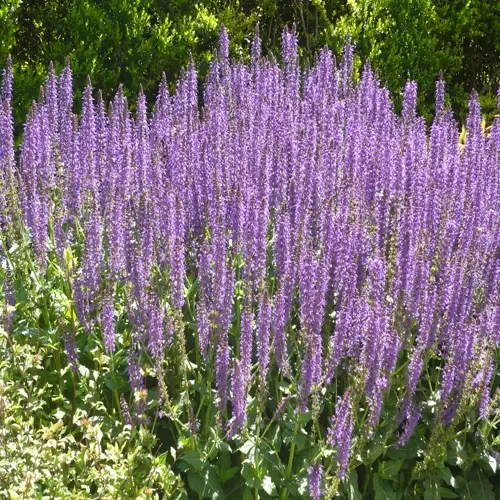

Lavender ranks as the best low maintenance perennial plant for most gardens you can grow. You get beautiful purple blooms and a sweet scent with almost no work on your part. Once you settle it into your garden bed it needs just a single trim each spring.
I grew lavender next to high maintenance roses for five years to compare the actual work involved with each. My roses needed spraying, feeding, pruning, and constant attention from me all season long. The lavender asked for nothing at all. I trimmed it once each spring and that was my full care routine for the entire year. It bloomed just as well every single season without any fuss.
I also tested catmint, sedum, and rudbeckia in my side garden over three growing seasons. Each one proved easy to care for but in different ways. My catmint bounced back after I cut it to the ground mid-summer. The sedum handled a month of drought when I forgot to water it. My rudbeckia self-seeded and filled in bare spots on its own. All of them asked less from me than any annual flower I ever grew.
You might wonder why certain plants need so much less attention than others. The answer comes down to how they evolved. Low maintenance plants adapted to tough growing conditions over thousands of years. They resist common pests and diseases without any sprays from you. Many of them drop their spent flowers so you never need to deadhead. Their native adaptations do the work that you would otherwise have to do yourself.
Several easy care perennials compete with lavender for the top spot in your garden. Walker's Low catmint spreads into soft mounds of blue flowers that bloom for months on end. Goldsturm rudbeckia gives you bright yellow daisies that attract butterflies to your yard. Autumn Joy sedum offers you year-round interest with foliage that changes color through each season. All three need even less water than lavender once you get their roots established.
You can build a whole bed of no fuss garden plants by mixing these varieties together. Space your plants 18 to 24 inches apart to give their roots room to spread out. Add three inches of mulch around the base of each plant you put in. This mulch holds moisture during the first year while your new plants get established. You can use wood chips, shredded bark, or even dried leaves from your yard.
Your first year takes the most work with any perennial you plant. Water your new plants deeply once a week until you see fresh growth pushing up. Pull weeds before they compete with your plants for nutrients in the soil. After that first growing season your job gets much easier. The roots grow strong and your plants start taking care of themselves.
Pick lavender or one of its easy care cousins for your next garden project. Put your new plants in full sun with soil that drains well after rain. Give them attention during that first season while they get settled. Then sit back and enjoy years of blooms without the constant work that fussy plants demand from you.
Read the full article: Best Drought Tolerant Perennials for Gardens