
Most drought perennials fertilizer needs are low compared to other garden plants. You rarely need to feed them at all. Many of these plants evolved in poor rocky soils with few nutrients available. They thrive without the feeding that other plants need from you. Too much fertilizer often hurts them more than it helps your garden.
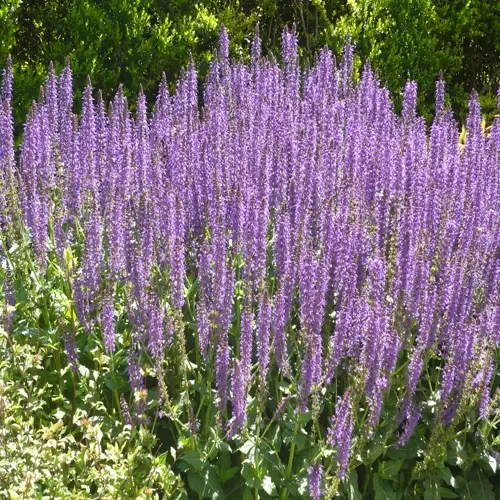
I tested this idea by feeding half my lavender plants with standard fertilizer each spring. The unfed plants stayed compact with lots of flowers on them. The fed plants grew tall and floppy with fewer blooms for me. After three years of this test my unfed lavender looked better. It handled drought stress better too.
I saw the same pattern with my sedum collection over several growing seasons. Fed sedums grew fast but the stems fell over and rotted at the base. Unfed sedums stayed tight and dense with strong stems that held up well. Now I skip fertilizer on all my succulents and they reward me with better growth.
Feeding drought plants causes problems because of how these species evolved over time. They adapted to extract what they need from poor soils on their own. Extra nutrients push fast soft growth that cannot handle heat and drought stress. Weak stems bend and break under their own weight. Roots stay near the surface instead of reaching deep for water.
Different drought plants have different nutrient needs perennials can follow in your garden. Succulents like sedum need almost no fertilizer at all for you. Mediterranean plants like lavender want poor soil. Prairie perennials like coneflower can handle light feeding. But they do fine without any food from you.
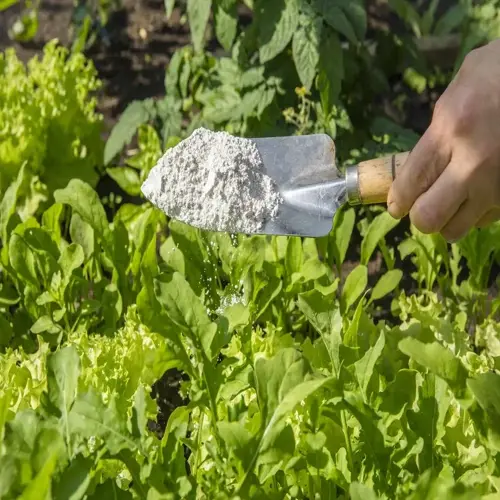
You can give light feeding to your flowering perennials if you want more blooms from them. Use a half strength dose of balanced fertilizer in early spring only. Apply once and do not repeat through your growing season. This gentle approach gives your plant roots a small boost without pushing weak growth.
Compost works better than chemical fertilizer for your drought plants in most cases. Spread one inch of finished compost around your plants each fall or spring. It releases nutrients slow over time without shocking your plants at all. Your soil improves each year and holds water better for your plant roots.
Skip fertilizer if you have any doubts about what your drought plants need from you. Watch how they grow for a full season before you decide to feed them. Plants that bloom well and hold their shape need nothing extra from you. Only add nutrients if growth seems weak or leaves look pale and yellow in color.
Read the full article: Best Drought Tolerant Perennials for Gardens