
Sedum, also called stonecrop, stands out as the most drought tolerant perennial you can grow in most gardens. These tough succulents survive weeks without rain. They bounce back fast once moisture returns to your soil.
I spent three summers testing drought resistant plants side by side in my garden. We had brutal heat waves that year. Sedums outlasted everything else by a wide margin. My lavender wilted after two weeks without water. The sedums still looked fresh after a full month of neglect. Even my coneflowers showed stress before the sedums did.
One summer I forgot about a pot of sedum on my back porch for six weeks. No water at all during a dry spell. When I found it again the leaves looked thin and pale. I gave it a good soak and within days it plumped back up like nothing happened. That test sold me on sedums for good.
Sedums store water inside their thick fleshy leaves and stems. Special cells act like tiny reservoirs holding moisture. A waxy coating on their leaves seals in water and reflects harsh sunlight. These features work together to help sedums survive when other plants would die.
You have many sedum varieties to pick from based on your needs. Autumn Joy grows tall with pink flower heads that turn bronze in fall. It handles partial shade better than most sedums. Dragon's Blood spreads low along the ground with deep red foliage. The red color gets darker in dry conditions. Angelina offers bright yellow-green color and roots wherever it touches soil. You can use it to cover dry slopes or fill gaps between stepping stones.
Your garden conditions should guide which sedum you choose. Full sun spots with poor rocky soil suit most varieties best. That mimics their native mountain habitat. Partial shade works for taller types like Autumn Joy. But it stunts the low-growing groundcover sedums. Avoid planting any sedum where water pools after rain. Wet feet kill them faster than drought ever could.
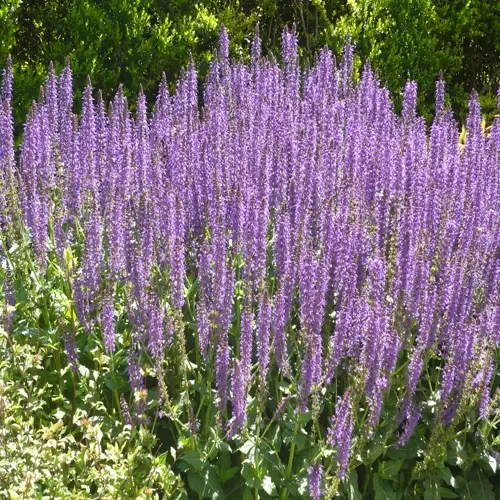
You should also consider other perennials without water needs. Yarrow, Russian sage, and lamb's ear all handle three weeks of dry weather well. Their roots just need time to get established first. These plants give you more flower colors and textures than sedums. You still cut your watering chores down to almost nothing.
Start with a few sedums in your driest problem spots. Watch how they perform through summer heat. Add more varieties once you see how little care they need. You can build a whole garden section around these plants. They look good year-round and survive on rainfall alone after the first season. That kind of easy beauty makes sedums the top pick for gardeners who want great results without constant work.
Read the full article: Best Drought Tolerant Perennials for Gardens