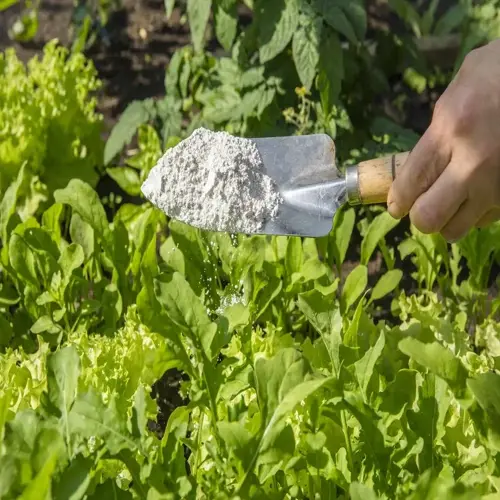

The houseplants that should not be fertilized include those just repotted, dormant in winter, sick, or stressed. These plants can't use the nutrients you give them right now. Feeding at the wrong time does more harm than good to your indoor plants.
I learned this lesson the hard way with a snake plant I repotted two years ago. I fed it the next week like normal and watched the leaves turn soft and yellow over the following month. The new roots couldn't handle the extra salts while they were still settling into fresh soil. That plant took six months to bounce back.
My neighbor had a similar problem with her fiddle leaf fig during winter. She kept feeding it through December and January even though it wasn't growing. The leaves dropped one by one until she stopped the fertilizer. Some plants that don't need fertilizer during rest periods will tell you through leaf loss.
The reason behind this involves how plants process nutrients at a basic level. Active roots absorb water and minerals to fuel new growth. Dormant or damaged roots can't do this job well. When you add fertilizer that the plant can't use, salts build up in the soil. These salts then pull water away from roots and cause damage.
Wait 4 to 6 weeks after repotting before you feed any plant. Fresh potting mix has some nutrients built in already. Your plant needs time to grow new root tips that can absorb what you give it. Rushing this step is one of the most common over-fertilization risks new plant owners face.
Skip feeding your houseplants from November through February. Low light levels slow down growth even in warm homes. Your plants enter a rest phase and when to skip fertilizing lines up with this dormant time. Start feeding again when you see new growth pop up in spring.
Sick or stressed plants need care before food. Yellow leaves, drooping stems, and pest damage all signal that something else is wrong first. Fix the water, light, or pest problem before you think about fertilizer. A stressed plant fed too soon will often get worse instead of better.
Check your plant for new growth before each feeding during active season. Fresh leaves and stems mean your plant can use nutrients right now. No new growth means wait another week or two and check again. Start with half strength after any long rest period to ease your plant back into regular feeding.
Read the full article: Fertilizing Indoor Plants for Healthy Growth