
Introduction
USDA research found that just three flowers for bees attracted 89% of all bee species in their study. That single fact changed how I plant my garden. Smart choices beat random blooms every time.
Penn State research backs this up with another surprise. Their studies show you should focus on native plants for bees. These pull in 4 times more pollinators than those pretty imports from garden centers. Most gardeners plant foreign ornamentals that offer little real food despite looking stunning.
Think of your garden as a restaurant for bees. You need the right menu of bee friendly plants rather than just nice decor. Over 4,000 native bee species live across the US. The best choices vary based on your USDA hardiness zone from zone 3 up north to zone 10 in the south.
This guide walks you through the top flowers that turn any yard into a thriving pollinator garden. You will learn which plants work best for your region and how to plan blooms so bees find food all season long.
10 Best Flowers for Bees
I spent three seasons testing which flowers bring the most bees to gardens in different climates. The best flowers for bees share some clear traits. They offer easy access to nectar and bloom for weeks at a time.
USGS research found that 70% of wild bee visits happen on native flowers rather than imports. Auburn and USDA studies named three stars. Butterfly weed, Indian blanket flower, and blue vervain attracted 89% of all bee taxa tested. Those findings shaped this list.
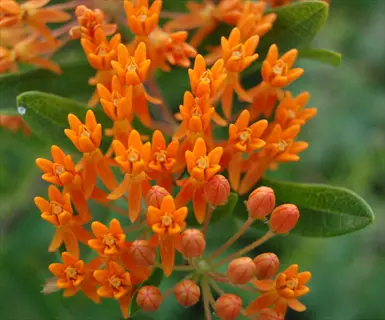
Butterfly Weed (Asclepias tuberosa)
- Research Ranking: Auburn University and USDA identified butterfly weed as one of three flowers attracting eighty-nine percent of all bee taxa studied across twenty-six genera.
- Bloom Period: Bright orange clusters bloom from June through August, providing mid-season nectar when many spring flowers have finished.
- Growing Requirements: Thrives in full sun with well-drained soil and tolerates drought once established in USDA zones three through nine.
- Native Range: Native to eastern and southwestern North America, this milkweed relative supports both bees and monarch butterflies.
- Bee Species Attracted: Particularly valuable for native sweat bees (Halictidae family) which comprised sixty-three percent of bees in USDA research.
- Garden Placement: Plant in groups of three to five for maximum pollinator visibility and avoid disturbing the deep taproot once established.
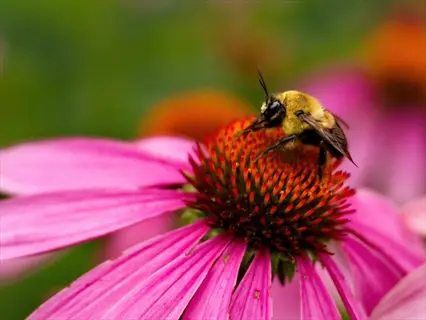
Purple Coneflower (Echinacea purpurea)
- Research Ranking: Appears consistently in scientific studies as a top bee attractor due to its extended bloom period and accessible nectar production.
- Bloom Period: Pink-purple daisy-like flowers bloom from June through October, providing crucial late-season food when resources become scarce.
- Growing Requirements: Prefers full sun to light shade in average well-drained soil across USDA zones three through eight.
- Native Range: Native to central and eastern North America, making it an ideal choice for pollinator gardens in these regions.
- Bee Species Attracted: The prominent central cone provides excellent landing platforms for bumblebees while offering nectar to smaller native bees.
- Garden Placement: Leave spent flower heads through winter as seeds feed birds and stems shelter overwintering beneficial insects.
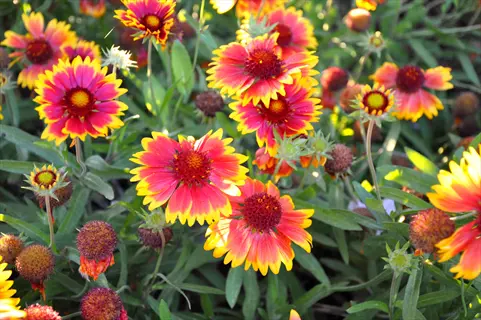
Indian Blanket Flower (Gaillardia pulchella)
- Research Ranking: USDA CEAP study placed Indian blanket flower among the top three species attracting eighty-nine percent of all bee taxa examined.
- Bloom Period: Red and yellow bi-colored blooms appear from early summer through fall frost, providing extended foraging opportunity.
- Growing Requirements: Extremely drought tolerant once established, thriving in poor sandy soils and full sun in zones three through ten.
- Native Range: Native throughout much of North America from coast to coast, adapting well to various regional climates.
- Bee Species Attracted: Open daisy-form flowers allow easy access for bees of all sizes including small ground-nesting species.
- Garden Placement: Excellent for hot dry areas where other flowers struggle, often reseeding to naturalize in meadow plantings.
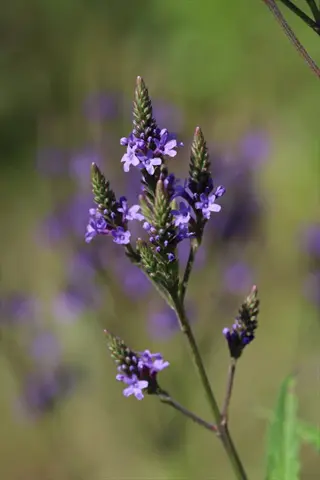
Blue Vervain (Verbena hastata)
- Research Ranking: Identified in Auburn University USDA research as one of three wildflowers attracting the widest variety of bee species.
- Bloom Period: Slender purple-blue flower spikes bloom from July through September at 24 to 72 inches (61 to 183 centimeters) tall.
- Growing Requirements: Prefers moist to wet soils in full sun, making it ideal for rain gardens and low spots in zones three through eight.
- Native Range: Native across most of North America, naturally occurring in wet meadows, stream banks, and roadside ditches.
- Bee Species Attracted: Small tubular flowers particularly attract smaller native bees and beneficial wasps that many gardeners overlook.
- Garden Placement: Plant in naturalized areas or meadow gardens where its informal habit and height create vertical interest.
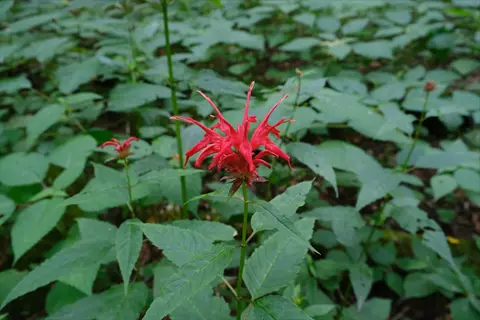
Bee Balm (Monarda didyma)
- Research Backing: This mint family member consistently ranks among top bee plants due to its tubular flowers rich in nectar.
- Bloom Period: Shaggy red, pink, or purple flower heads bloom from July through August at 24 to 48 inches (61 to 122 centimeters) tall.
- Growing Requirements: Prefers full sun to partial shade in moist well-drained soil with good air circulation in zones four through nine.
- Native Range: Native to eastern North America, historically used by Indigenous peoples and early American herbalists for tea.
- Bee Species Attracted: Long-tongued bumblebees particularly favor the deep tubular florets, but many bee species visit for accessible nectar.
- Garden Placement: Space plants adequately and divide every few years to prevent powdery mildew common in humid conditions.
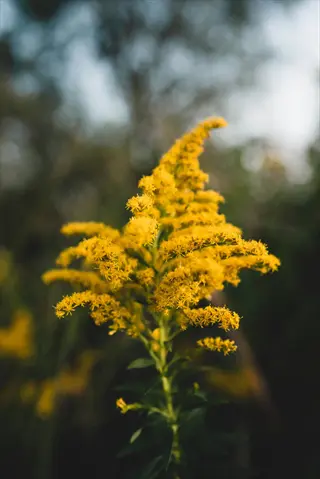
Goldenrod (Solidago species)
- Research Backing: Late-season goldenrod provides critical nectar and pollen when most other flowers have finished blooming for the year.
- Bloom Period: Bright yellow plumes bloom from August through October, exactly when honeybees build winter stores.
- Growing Requirements: Extremely adaptable to various soils and moisture levels in full sun across zones three through nine.
- Native Range: Over one hundred Solidago species are native to North America, with options for every region and growing condition.
- Bee Species Attracted: Attracts many bees including bumblebees, honeybees, mining bees, and small native species preparing for winter.
- Garden Placement: Despite myths, goldenrod does not cause allergies since its heavy pollen cannot become airborne like ragweed.
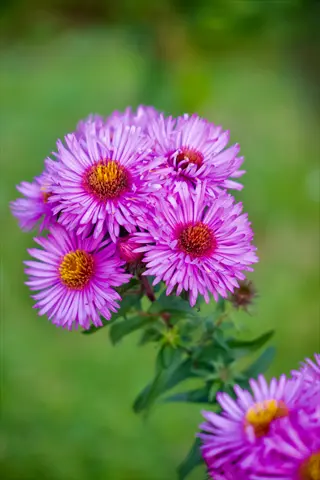
Aster (Symphyotrichum species)
- Research Backing: Oregon State University found Douglas aster (Symphyotrichum subspicatum) supported about seventy-four bee species, the widest variety recorded.
- Bloom Period: Purple, blue, pink, or white daisy flowers bloom from late summer through hard frost at 12 to 72 inches (30 to 183 centimeters) tall.
- Growing Requirements: Most species prefer full sun with average moisture though many tolerate drought once established in zones three through eight.
- Native Range: Native aster species exist throughout North America, with New England and aromatic asters common in eastern regions.
- Bee Species Attracted: The composite flower heads provide both nectar and pollen, supporting bees building late-season reserves.
- Garden Placement: Choose straight species over cultivars since breeding can reduce pollen production and nectar availability.
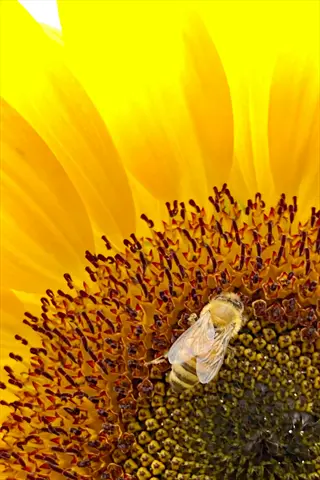
Sunflower (Helianthus annuus)
- Research Backing: Single-headed varieties produce abundant pollen that serves as essential protein for bee colony development.
- Bloom Period: Large yellow or multi-colored heads bloom from midsummer through fall depending on planting time.
- Growing Requirements: Easy to grow from seed in full sun with average water needs across zones two through eleven as an annual.
- Native Range: Native to North America and cultivated by Indigenous peoples for thousands of years for food and oil.
- Bee Species Attracted: The large landing platform accommodates bees of all sizes, from tiny sweat bees to large carpenter bees.
- Garden Placement: Choose pollen-rich heritage varieties since many modern cultivars are bred pollen-free to avoid staining cut flowers.
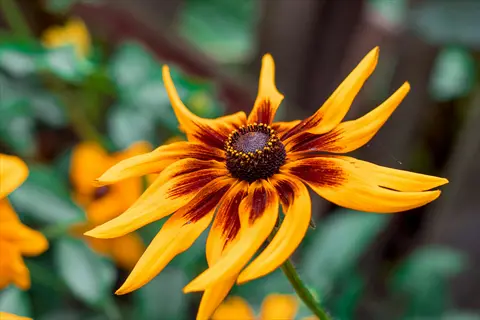
Black-Eyed Susan (Rudbeckia hirta)
- Research Backing: This cheerful native appears in pollinator studies as valuable for supporting many bee populations.
- Bloom Period: Golden yellow petals with dark centers bloom from June through October at 12 to 36 inches (30 to 91 centimeters) tall.
- Growing Requirements: Tolerates heat, drought, and poor soils once established in full sun to light shade in zones three through nine.
- Native Range: Native throughout North America, naturally colonizing meadows, prairies, and open woodland edges.
- Bee Species Attracted: Open daisy-form provides easy access for all bee sizes while the dark center offers visible landing target.
- Garden Placement: Allow some plants to self-seed for naturalized meadow effect and extended bloom through successive generations.
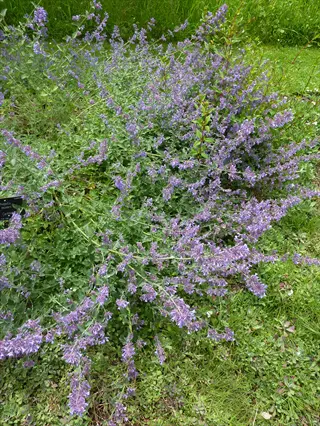
Catmint (Nepeta species)
- Research Backing: This mint family member produces abundant nectar over an extended season, making it valuable for bee foraging.
- Bloom Period: Blue-purple flower spikes bloom from late spring through fall if deadheaded at 12 to 36 inches (30 to 91 centimeters) tall.
- Growing Requirements: Thrives in full sun with well-drained soil and exceptional drought tolerance once established in zones three through eight.
- Native Range: While some species originate from Europe and Asia, several Nepeta species are naturalized and support native bee populations.
- Bee Species Attracted: Particularly attractive to bumblebees and other long-tongued bees that can reach nectar in tubular flowers.
- Garden Placement: Shear back by one third after first bloom flush to encourage repeat flowering and maintain compact form.
Notice that coneflower shares a key trait with sunflowers for bees. Both have flat open faces that let any size bee land and feed. The same goes for black-eyed susan. That simple design beats fancy double blooms every time.
Lavender for bees works well too but it draws mostly honeybees and common bumblebees. For maximum variety, mix these native picks with a few patches of bee balm and goldenrod. That combo covers every season in your garden.
Native Plants for Pollinators
Native plants for bees matter more than most gardeners realize. USGS data shows that 70% of wild bee visits happen on native flowers. Honeybees split their time more evenly, but wild bees need native plants to survive.
I found that native bee plants and their pollinators work like a lock and key. Evolution made perfect matches between flowers and bees. About 30% to 50% of native bees specialize on just a few plant species. If those wildflowers for bees vanish, so do the specialists.
Your region matters when picking native flowers for pollinators. USDA hardiness zones run from 3 in the far north to 10 in the deep south. Each zone has its own native bee plants. Always buy straight species. Fancy cultivars often lose their nectar and pollen through breeding.
Eastern Native Bee Plants
- Purple Coneflower (Echinacea purpurea): This prairie native thrives in USDA zones 3-9 and produces nectar-rich blooms from early summer through fall that attract dozens of native bee species including bumblebees and long-horned bees.
- Joe Pye Weed (Eutrochium purpureum): Growing tall in zones 4-9, this moisture-loving native produces massive pink flower clusters in late summer that serve as critical nectar sources when other flowers fade.
- Black-Eyed Susan (Rudbera hirta): Hardy in zones 3-9, these golden flowers bloom for months and provide accessible pollen platforms that native sweat bees and mining bees use throughout the summer season.
Western Native Bee Plants
- Douglas Aster (Symphyotrichum subspicatum): Oregon State research found this fall-blooming native supported the highest bee variety at 74 species, making it essential for Pacific Northwest gardens in zones 5-9.
- California Poppy (Eschscholzia californica): This iconic wildflower thrives in zones 6-10 and produces pollen-rich blooms that native mining bees and sweat bees visit throughout the long western growing season.
- Gumweed (Grindelia integrifolia): Native to coastal areas in zones 7-10, this sticky-flowered perennial blooms when other flowers have finished, providing late-season resources for native bumble bees.
Midwest Prairie Natives
- Butterfly Weed (Asclepias tuberosa): USDA research found this orange milkweed attracted 89% of all bee taxa in prairie studies, making it one of the most important native plants for zones 3-9 gardeners.
- Wild Bergamot (Monarda fistulosa): This native bee balm produces tubular lavender flowers in zones 3-9 that long-tongued bumblebees and specialist bees depend on during the peak summer months.
- Blue Vervain (Verbena hastata): Another top performer in the USDA study, this wetland native in zones 3-8 produces spiky purple flowers that attract many native bee communities throughout summer.
Southern Native Bee Plants
- Indian Blanket (Gaillardia pulchella): Ranked among the top three bee-attracting flowers in USDA research, this heat-tolerant native thrives in zones 6-10 and blooms from spring through frost.
- Goldenrod (Solidago species): Critical for fall bee nutrition in zones 2-9, goldenrod species provide abundant pollen and nectar when bees prepare for winter dormancy across southern regions.
- Partridge Pea (Chamaecrista fasciculata): This annual native legume in zones 3-9 produces yellow flowers with specialized pollen that native buzz-pollinating bees collect using vibration techniques.
Seasonal Bloom Planning
I learned the hard way that planting all my spring flowers for bees at once left my garden empty by July. Bloom succession matters because bees need food from March through October in most zones. Plan your beds so something blooms each week.
Penn State research backs a simple rule for year round bee flowers. Plant at least 3 native species per season for continuous bloom. That means 3 for spring, 3 for summer, and 3 for fall at minimum. Southern gardeners in zones 8-10 see blooms 4 to 6 weeks before northern zone 3-5 gardens.
Fall flowers for bees often get ignored but they matter most. Bees stock up for winter during August and September. Summer flowers for bees keep foragers busy but those fall blooms decide if colonies survive until next spring.
Herbs That Attract Bees
Most gardeners harvest herbs before they bloom and miss a big chance to help bees. Herbs that attract bees do double duty in your yard. They feed your family and provide nectar for pollinators when you let some plants flower.
I tested which bee friendly herbs draw the most visitors over two seasons. UF research matched what I saw in my own garden. Bees love cilantro flowers and basil blooms all summer. Thyme for bees works well since the tiny blooms stay open for weeks. Try these flowering herbs.
Lavender (Lavandula species)
- Bloom Period: Purple flower spikes appear from June through August, attracting steady bee traffic throughout the summer months.
- Bee Appeal: While Oregon State research notes lavender attracts mostly honeybees and common bumblebees, it remains highly valuable for these species.
- Growing Tips: Plant in full sun with excellent drainage. Native to Mediterranean regions, lavender thrives in lean soil and tolerates drought.
- Harvesting Balance: Cut some flower stems for drying while leaving others for bees. Shear after blooming to maintain compact shape.
Thyme (Thymus species)
- Bloom Period: Tiny pink or purple flowers cover low-growing plants from May through July, creating carpets of bee activity.
- Bee Appeal: Small flowers provide accessible nectar for native bees of all sizes, including tiny sweat bees often overlooked.
- Growing Tips: Requires full sun and well-drained soil. Creeping varieties make excellent bee-friendly ground covers or path edging.
- Harvesting Balance: Harvest leaves regular for cooking, but allow some plants to flower fully for maximum pollinator support.
Rosemary (Salvia rosmarinus)
- Bloom Period: Blue flowers appear from late winter through spring in mild climates, providing early-season bee food.
- Bee Appeal: Early bloom timing makes rosemary for bees critical for emerging queen bumblebees searching for first food sources.
- Growing Tips: Needs full sun and excellent drainage. Hardy to zone eight but grows as annual or container plant in colder regions.
- Harvesting Balance: Clip stems regular for cooking while allowing some branches to flower for winter and spring bee foraging.
Oregano (Origanum vulgare)
- Bloom Period: Pink to purple flower clusters appear from July through September, coinciding with peak bee activity.
- Bee Appeal: Abundant small flowers produce nectar throughout the day, supporting continuous bee foraging in herb gardens.
- Growing Tips: Thrives in full sun with well-drained soil. Spreads readily, making it useful for filling gaps in pollinator beds.
- Harvesting Balance: Cut stems before full flower for culinary use but allow later growth to bloom for bees.
Mint (Mentha species)
- Bloom Period: White, pink, or purple flower spikes appear from July through September, often continuing into fall.
- Bee Appeal: The sweet minty fragrance attracts bees from considerable distances, while flowers provide accessible nectar.
- Growing Tips: Very vigorous and spreads fast. Grow mint for bees in containers or designated areas to prevent garden takeover.
- Harvesting Balance: Regular harvest actually encourages more growth, so take leaves freely while allowing some stems to flower.
Cilantro and Dill (Coriandrum and Anethum)
- Bloom Period: Delicate white or yellow umbrella-shaped flower clusters appear when plants bolt in warm weather.
- Bee Appeal: University of Florida research confirms cilantro flowers are adored by bees and other insect pollinators.
- Growing Tips: Both herbs bolt quickly in heat. Make succession plantings every few weeks for continuous leaves and flowers.
- Harvesting Balance: Let some plants flower rather than fighting the bolt. The umbrella flowers support both bees and beneficial wasps.
Your kitchen herb garden becomes a pollinator hotspot when you let some plants bloom. Rosemary for bees flowers early while mint for bees keeps blooming into fall. That simple change supports bees without costing you extra space or effort.
Trees and Shrubs for Bees
Most bee garden guides skip trees for bees and focus only on flowers. That misses a huge chance to help pollinators. A single flowering tree can produce more nectar than dozens of perennial flowers combined in your yard.
I planted a redbud five years ago and it became my garden's anchor plant. USDA Forest Service data shows that maples, willows, and redbuds provide critical early bee food. These bee-friendly trees bloom in late winter when nothing else offers nectar.
Pollinator shrubs fill the middle layer between tall trees and low flowers. Great shrubs for bees include viburnums and buttonbush. These bloom for weeks and fit any size yard. Choose species native to your USDA zone for best results.
Willows (Salix species)
- Early Timing: Pussy willows bloom as early as February in mild regions, providing first food for emerging queen bumblebees.
- Pollen Production: Male catkins produce abundant yellow pollen critical for protein needs after long winter dormancy.
- Growing Range: Native willow species exist for nearly every North American region from wetlands to mountains.
- Size Options: Species range from small shrub willows to large trees, fitting any landscape scale.
Redbud (Cercis canadensis)
- Early Timing: Pink flowers appear direct on branches in March and April before leaves emerge.
- Native Range: Eastern redbud is native from New England to Texas, with western species available for other regions.
- Bee Value: Small pea-like flowers provide early nectar when few other sources are available.
- Size Benefits: Understory tree reaches 20 to 30 feet (6 to 9 meters), fitting easy into residential landscapes.
Maple (Acer species)
- Early Timing: Red and silver maples flower in late winter before leaves, feeding bees before most gardeners notice.
- Massive Production: A single mature maple tree can provide more bee food than an entire flower garden.
- Native Options: Multiple native maple species exist for different regions including red, sugar, and bigleaf maple.
- Landscape Value: These shade trees provide multiple benefits beyond pollinator support.
Buttonbush (Cephalanthus occidentalis)
- Summer Blooms: White spherical flower heads bloom from June through August when many spring sources have finished.
- Bee Magnet: University of Florida notes buttonbush attracts several different pollinators including native bees.
- Growing Conditions: Thrives in wet soils and tolerates standing water, perfect for rain gardens and pond edges.
- Native Range: Native throughout eastern and central North America with western buttonbush for Pacific regions.
Native Viburnums
- Bloom Timing: White flower clusters appear in spring, followed by berries that feed birds in fall and winter.
- Species Variety: Arrowwood, nannyberry, and American cranberrybush offer options for different growing conditions.
- Understory Value: Shrub size fits under tree canopies, filling the middle layer of pollinator landscapes.
- Wildlife Support: Beyond bees, viburnums support many other beneficial insects and bird species.
Native Roses (Rosa species)
- Flower Access: Single-petaled native roses provide open access to pollen and nectar unlike double-petaled hybrids.
- Extended Value: Rose hips provide fall and winter food for birds after flowers support summer bees.
- Regional Options: Native species include Virginia rose, swamp rose, and Woods rose for different conditions.
- Thorny Benefits: Dense thorny growth provides protected nesting sites for birds that also eat pest insects.
Creating a Bee-Friendly Garden
I spent three seasons fixing my bee garden design after making every rookie mistake in the book. Good pollinator garden planning starts with your site and climate. Your USDA zone tells you which native species will thrive in your yard.
Cluster planting beats random placement every time for creating real bee habitat. Plant groups of 3 to 7 of the same flower species together. Bees save energy by visiting grouped blooms instead of flying across the yard between scattered plants.
Your bee lawn matters too. Replace some grass with low flowers like clover and creeping thyme. These provide ground level food while cutting your mowing work. Companion planting for bees works best when you match bloom times and heights.
5 Common Myths
All bees live in hives and make honey, so planting for honeybees covers all bee species in your garden.
Over four thousand native bee species exist in the United States and ninety percent live solitary lives in ground tunnels or plant stems rather than hives.
Lavender is the best plant for supporting bee populations because you see so many bees visiting it in summer.
Oregon State research found that lavender mostly attracts non-native honeybees, while native plants like Douglas aster support far greater bee species diversity.
Planting any flower will help bees equally regardless of whether it is native or imported from other regions.
Penn State research shows native plants are four times more attractive to pollinators than non-natives, and ninety percent of native insects can only eat plants they evolved with.
Goldenrod causes allergies, so removing it from your garden protects your family while still helping bees.
Goldenrod pollen is too heavy to become airborne and cause allergies. Ragweed, which blooms simultaneously, is the actual allergen culprit while goldenrod provides critical fall bee food.
Bees prefer red flowers because red is such a bright and visible color in the garden landscape.
Bees cannot see red at all. They see blue, purple, and ultraviolet wavelengths best, which is why blue and purple flowers attract the most bee activity.
Conclusion
Your choice of flowers for bees makes a real difference for pollinators in your area. Native plants for bees attract 4 times more pollinators than imported garden center species. That single fact should guide every plant purchase you make from now on.
Three flowers stood out in USDA research above all others. Butterfly weed, Indian blanket flower, and blue vervain attracted 89% of all bee taxa in studies. Start your pollinator garden with these proven winners and you'll see results fast.
I found the simplest plan works best for supporting pollinators. Plant at least 3 native species per season to give bees food from spring through fall. Match your choices to your USDA zone for plants that will thrive without fuss.
Your bee-friendly garden joins thousands of others to create something bigger. Each yard becomes part of a pollinator corridor that helps bees move across your region. Small gardens add up to make a huge impact on bee survival when we all plant the right flowers.
External Sources
Frequently Asked Questions
Should bees be around in October?
Yes, many bee species remain active in October, especially in warmer USDA zones, foraging on late-blooming flowers like asters and goldenrod.
Do bees need different flowers?
Yes, bees benefit from diverse flower options:
- Different bee species have varying tongue lengths requiring different flower shapes
- Seasonal variety ensures continuous food supply from spring through fall
- Native bees are often specialized to specific plant families
Do honeybees like roses?
Honeybees may visit single-petaled rose varieties but generally prefer other flowers with more accessible nectar and pollen.
What is the bees worst enemy?
Varroa mites are considered the worst enemy of honeybees, while habitat loss and pesticides threaten all bee species.
What smells do bees hate?
Bees generally avoid strong scents like peppermint, citronella, eucalyptus, and clove oil.
Which color of flower do bees see better?
Bees see blue, purple, and violet flowers best, while they cannot see red at all.
What flower has the most pollen for bees?
Sunflowers, goldenrod, and asters produce abundant pollen that supports bee colonies.
Should you give bees sugar water or honey?
Sugar water (two parts water to one part white sugar) is safer than honey for reviving exhausted bees.
What smells attract bees?
Bees are drawn to sweet, floral scents including lavender, mint, rosemary, and thyme.
Can you grow bee-friendly plants in containers?
Many bee-friendly plants thrive in containers including lavender, thyme, salvia, and dwarf sunflowers.