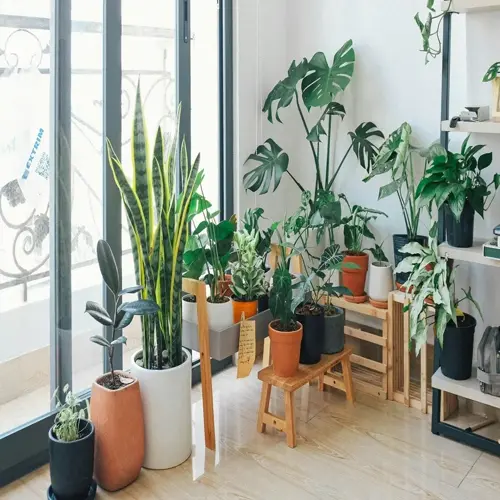

The smells bees hate most include peppermint, citronella, eucalyptus, and clove. These strong scents confuse their senses and make them fly away. You can use this to your benefit when planning where bees should and shouldn't go in your yard.
I use this trick around my patio dining area. I planted a row of peppermint along the edge closest to my bee garden. The bees work the flowers just ten feet away but rarely come to the table where we eat. The strong mint smell creates a barrier they don't want to cross.
Bees rely on scent to find their food. Their antennae pick up tiny traces of flower fragrance from far away. Strong odors like eucalyptus and clove overwhelm this system. When a bee hits a wall of peppermint smell, it can't detect what's beyond it and turns back.
Beekeepers have known this for ages. They use smoke to calm bees during hive inspections. The smoke masks alarm signals that bees send when they feel threatened. Essential oils work in a similar way by blocking the scents bees count on to navigate your garden.
The scents that repel bees include most strong herbs and citrus oils. Lemongrass, spearmint, and thyme all push bees away from an area. You don't need much of these plants to create a buffer zone. A few pots clustered together will do the job.
Peppermint
- Your placement: Put pots near doorways and outdoor seating where you want fewer bees.
- How it works: The strong menthol blocks flower scents that would draw bees to your area.
- Care tip: Grow it in containers since mint spreads fast and can take over your beds.
Citronella Grass
- Your placement: Plant around the edges of your patio in large pots for best coverage.
- How it works: The lemony oil masks other scents and bees avoid walking through it.
- Care tip: Bring your pots inside before frost since this grass can't handle cold winters.
Eucalyptus
- Your placement: Keep potted trees near outdoor cooking areas where bees might hover.
- How it works: The sharp medicinal smell overwhelms bee navigation and drives them off.
- Care tip: You can grow dwarf types in containers and move them where you need them.
I learned to think of my yard in zones. Your pollinator garden sits in one area with all the flowers bees love. Your bee repellent plants create borders around spaces where you spend time outside. This way you support the bees while keeping your picnic table clear.
Don't go overboard with deterrent plants near your vegetable garden though. You still need bees to pollinate your squash, tomatoes, and peppers. Place the strong-smelling herbs at least fifteen feet away from any plants that need bee visits to produce fruit.
You can also crush fresh mint leaves and rub them on table legs and chair arms. This creates a temporary barrier that fades after a few hours. I do this right before outdoor meals when I want extra protection from curious bees.
Read the full article: Best Native Flowers for Bees: Pollinator Plants