
Most gardens need to know how often water annuals to keep them healthy all season. Annual flower watering depends on where your plants grow and what the weather does. Container plants dry out faster than beds. Hot spells mean more water while cool rainy weeks mean less.
I water my garden beds and containers on different schedules. I tested this over several years to get it right. The pots on my deck need water every single day during summer heat. My in-ground flower beds do fine with deep soaks just twice a week.
Research from university extension programs gives us hard numbers to work with. Most annuals need about one to one and a half inches of water each week. That counts rainfall plus what you add with the hose. A rain gauge helps you track how much nature provides so you can fill in the gaps.
Watering annual flowers the right way matters as much as how often you do it. Deep soaks that wet the soil six to eight inches down beat quick sprinkles every time. Light watering grows roots that stay near the surface. Deep watering grows deep roots that find moisture on their own.
The finger test tells you when your plants need water better than any fixed schedule. Stick your finger two inches into the soil near your plants. If it feels dry that deep, your annuals need water. If it feels moist, you can wait another day before checking again.
Annual water requirements change through the season too. Young transplants need more frequent light watering to get roots going. Mature plants with deep roots can go longer between drinks. In my experience, I water new plants daily for two weeks then cut back as they settle in.
Morning watering works best for most annual flowers. The leaves dry off before evening, which cuts down on disease problems. Wet foliage overnight invites fungus and rot. Aim your water at the soil, not the leaves, whenever you can.
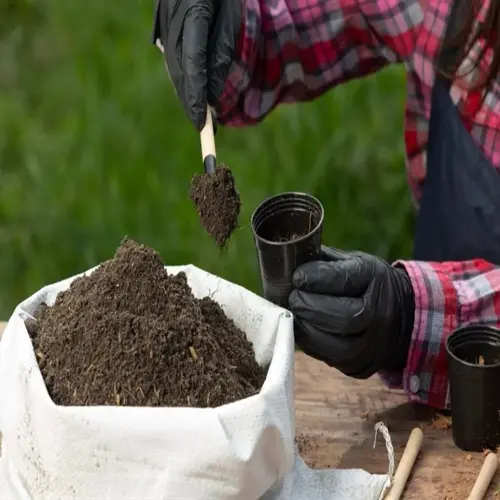
Sandy soil drains fast and needs more frequent watering than clay soil. Clay holds water longer but can get soggy if you overdo it. Know your soil type and adjust your schedule to match. Adding compost to any soil type helps it hold the right amount of moisture.
Mulch around your annuals to cut watering needs in half during hot weather. A two to three inch layer of bark or straw keeps soil cool and moist. This simple step saves you time and water while helping your plants thrive through summer heat.
Read the full article: 10 Best Full Sun Annuals for Nonstop Color