
Introduction
You need grow lights for seedlings if you want strong plants ready for your garden. That sunny window looks bright to your eyes. Research shows natural light rarely works for healthy seedlings.
I learned this the hard way during my first years of indoor seed starting. My tomato seedlings stretched toward the glass and grew thin floppy stems. They fell over before reaching transplant size. Seedlings need 14 to 18 hours of light daily at 65 to 75 degrees Fahrenheit for stocky growth.
Without good supplemental lighting, your seedlings will face the same issues I did. They become leggy and weak. Starting seeds indoors without proper light wastes your time and money.
This guide shows you how to pick and use grow lights for healthy transplants. You will learn which types work best and how long to run them. We also cover where to put fixtures and how to fix problems when they show up.
10 Best Grow Lights for Seedlings
Finding the best grow lights for seedlings comes down to matching your budget with your growing goals. I tested dozens of LED grow lights and fluorescent grow lights over the years. Each type has clear strengths worth knowing before you buy.
LED fixtures produce 75 to 110 lumens per watt according to Kansas State Extension research. Standard fluorescent bulbs only reach 35 to 60 lumens per watt. This gap means LEDs save you money on power bills while putting out more light.
T5 grow lights and T8 grow lights still work great for seedlings when positioned close to plants. Shop lights for seedlings remain popular because they cost less upfront. Below you will find 10 options ranked by value to help you choose.
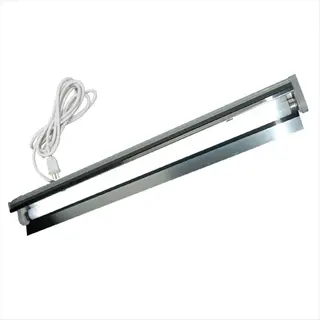
T5 High Output Fluorescent Fixtures
- Light Output: T5 fluorescent tubes produce 5000 lumens per tube making them among the brightest fluorescent options for seedling production according to University of Maryland Extension research
- Spectrum Quality: Cool white T5 tubes emit blue and yellow-green wavelengths ideal for producing stocky vegetable transplants with strong root systems and compact growth habits
- Positioning: Place T5 fixtures 4 to 6 inches (10 to 15 centimeters) above seedling tops and adjust height as plants grow to maintain optimal light intensity throughout development
- Lifespan: Expect 30000 to 40000 hours of use before brightness diminishes significantly though T5 tubes maintain better output longer than older T12 designs
- Best For: Serious seed starters who want professional-grade results and plan to grow multiple trays of seedlings each season benefiting from high light output
- Consideration: Higher initial cost than basic shop lights but delivers more lumens per tube resulting in faster more robust seedling growth for demanding vegetables
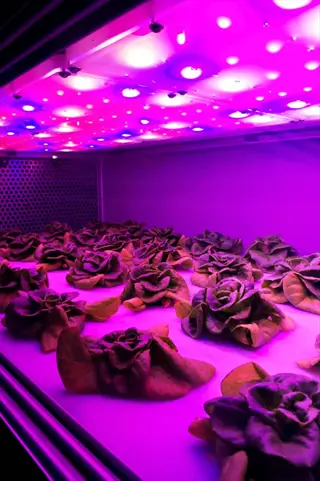
LED Full Spectrum Grow Panels
- Light Output: Quality LED panels emit 3000 or more lumens with full spectrum coverage including essential blue (440 nanometer) and red (660 nanometer) wavelengths for complete plant development
- Energy Efficiency: LED panels use approximately half the electricity of equivalent fluorescent setups while producing more light per watt according to Kansas State University Extension research
- Positioning: Mount LED panels 8 to 12 inches (20 to 30 centimeters) above seedlings which is further than fluorescents because LEDs concentrate light more efficiently
- Lifespan: LED grow panels last up to 50000 operating hours according to Oklahoma State Extension making them the longest-lasting option for home seed starters
- Best For: Gardeners seeking long-term energy savings who start seeds annually and want set-and-forget reliability with minimal bulb replacement needs
- Consideration: Higher upfront cost than fluorescents but lower operating costs over time especially for those running lights 14 to 18 hours daily for months
T8 Fluorescent Shop Lights
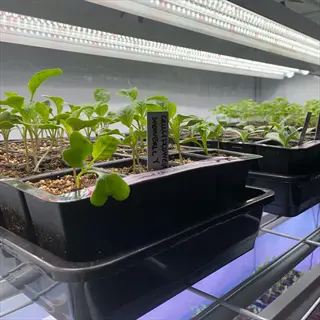
- Light Output: T8 tubes produce 2800 lumens per tube providing adequate light for seedlings when using four-tube fixtures positioned close to plant tops
- Spectrum Quality: Standard cool white T8 bulbs rated 5000 to 6500 Kelvin work well for seed starting providing the daylight spectrum seedlings need without special grow bulbs
- Positioning: Keep T8 shop lights 2 to 4 inches (5 to 10 centimeters) above seedling tops according to Kansas State Extension because light intensity drops quickly with distance
- Lifespan: Expect 10000 to 20000 hours from T8 tubes though brightness decreases about 10% after 7000 hours per University of Maryland Extension data
- Best For: Budget-conscious gardeners starting seeds for the first time who want affordable proven lighting without investing in expensive specialized equipment
- Consideration: Requires closer positioning than LEDs and may need height adjustment chains or blocks to maintain proper distance as seedlings grow taller
LED Tube Replacement Bulbs
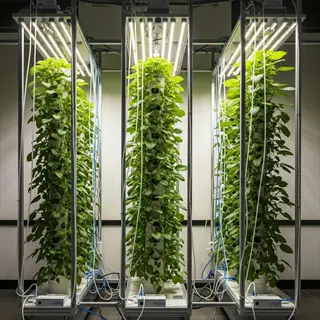
- Light Output: LED tube replacements fit existing fluorescent fixtures while producing more lumens per watt allowing gardeners to upgrade without buying new fixtures
- Energy Efficiency: LED tubes use 40% to 50% less electricity than fluorescent tubes they replace while maintaining or exceeding light output for seedling growth
- Positioning: Position LED replacement tubes 6 to 10 inches (15 to 25 centimeters) above seedlings slightly higher than original fluorescents due to improved efficiency
- Lifespan: LED tube replacements typically last 25000 to 50000 hours outlasting fluorescent tubes by two to four times according to Kansas State Extension research
- Best For: Gardeners with existing fluorescent fixtures who want to upgrade to LED efficiency without purchasing entirely new grow light systems or shelving
- Consideration: Verify compatibility with existing fixtures as some LED tubes require ballast bypass installation while others work with existing ballasts directly
Adjustable LED Grow Light Strips
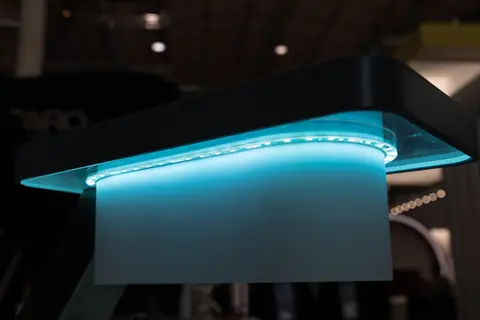
- Light Output: LED strip lights provide targeted lighting for individual seed trays with adjustable intensity settings allowing customization for different plant needs
- Flexibility: Strip designs mount easily under shelves or attach to wire racks making them ideal for multi-tier seed starting stations with limited vertical space
- Positioning: Install strips 6 to 12 inches (15 to 30 centimeters) above seedlings adjusting height based on light intensity settings and seedling response
- Lifespan: Quality LED strips last 30000 to 50000 hours providing years of reliable seed starting with minimal maintenance or replacement needs
- Best For: Gardeners with wire shelving units or limited space who need flexible lighting solutions that adapt to various tray sizes and shelf configurations
- Consideration: Multiple strips may be needed to cover wider growing areas evenly since strips provide narrow bands of light compared to panel fixtures
Clamp-Style LED Grow Lights
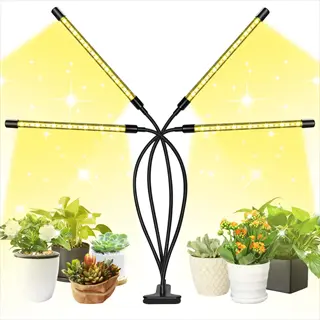
- Light Output: Clamp lights with LED bulbs provide focused illumination for small seed starting setups delivering adequate lumens for one to two standard trays
- Flexibility: Adjustable gooseneck designs allow precise positioning of light directly above seedlings making them versatile for various table or shelf arrangements
- Positioning: Position clamp light heads 8 to 12 inches (20 to 30 centimeters) above seedlings angling to cover the entire tray surface evenly
- Lifespan: LED bulbs in clamp fixtures last 15000 to 25000 hours providing several seasons of seed starting before bulb replacement becomes necessary
- Best For: Beginners starting small batches of seeds who want an affordable entry point without committing to larger fixture investments initially
- Consideration: Light coverage area is limited compared to tube or panel fixtures so multiple clamp lights may be needed for larger seed starting operations
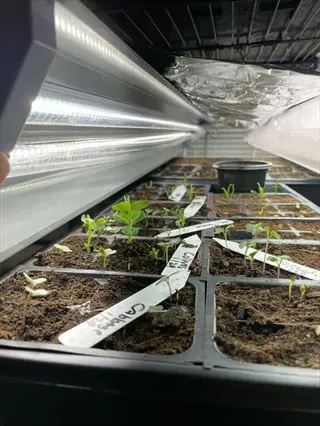
Four-Foot LED Shop Lights
- Light Output: Four-foot LED shop lights produce 4000 to 5000 lumens covering standard 10 by 20 inch (25 by 50 centimeter) seed trays effectively for indoor growing
- Spectrum Quality: Choose shop lights rated 5000 to 6500 Kelvin (daylight spectrum) for seed starting as these provide blue wavelengths essential for compact vegetative growth
- Positioning: Hang LED shop lights 8 to 12 inches (20 to 30 centimeters) above seedlings using chains or adjustable hangers to maintain proper distance as plants grow
- Lifespan: LED shop lights typically last 30000 to 50000 hours making them cost-effective long-term investments for annual seed starting activities
- Best For: Home gardeners wanting efficient full-coverage lighting at reasonable cost without the bulk and heat of older fluorescent shop light designs
- Consideration: Verify the light produces sufficient lumens and correct Kelvin rating as some budget shop lights lack adequate output for healthy seedling development
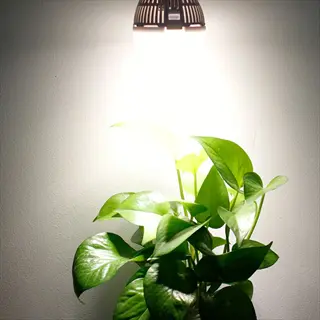
Two-Foot LED Fixtures
- Light Output: Two-foot LED fixtures produce 2000 to 2500 lumens in compact designs ideal for smaller seed starting setups or windowsill supplementation
- Space Efficiency: Compact two-foot length fits easily on standard shelves countertops or window areas where four-foot fixtures would be impractical
- Positioning: Mount two-foot fixtures 6 to 10 inches (15 to 25 centimeters) above seedlings positioning directly over trays for even light distribution
- Lifespan: These compact LED fixtures typically last 25000 to 40000 hours providing reliable performance across multiple growing seasons
- Best For: Apartment gardeners or those with limited space who want to start a few trays of seedlings without dedicating large areas to grow light setups
- Consideration: Light footprint covers smaller area than four-foot fixtures so plan tray placement carefully to ensure all seedlings receive adequate illumination
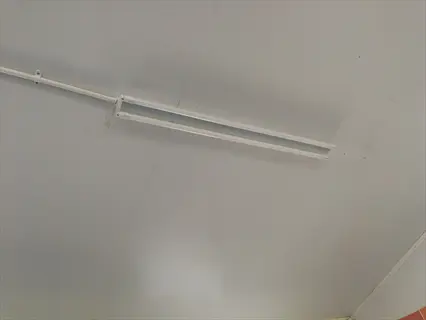
Dual T5 and T8 Combination Fixtures
- Light Output: Dual fixtures combining warm and cool spectrum tubes together provide broader light coverage mimicking natural sunlight more closely per University of Illinois Extension
- Spectrum Quality: Using one warm white and one cool white tube offers both blue wavelengths for foliage growth and red-shifted light for overall plant development
- Positioning: Keep dual tube fixtures 3 to 6 inches (7 to 15 centimeters) above seedlings maintaining close proximity because fluorescent intensity drops quickly with distance
- Lifespan: Expect 20000 to 40000 hours depending on tube type with T5 tubes maintaining brightness longer than T8 options over extended use periods
- Best For: Gardeners who already own fluorescent fixtures and want to optimize spectrum coverage without purchasing new LED equipment immediately
- Consideration: Higher heat output than LED options means more frequent monitoring of seedling distance and possible need for air circulation in enclosed spaces
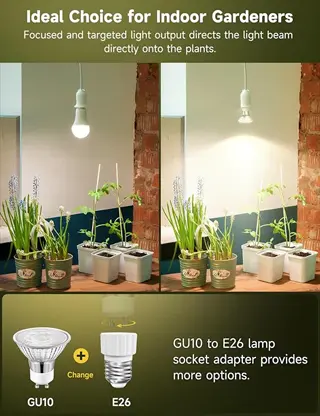
Budget LED Clamp Light with Daylight Bulb
- Light Output: Standard clamp fixtures paired with 5000 to 6500 Kelvin LED daylight bulbs provide functional seedling lighting at minimal cost for beginners
- Accessibility: Components are available at hardware stores allowing gardeners to assemble effective grow lights without ordering specialized horticultural equipment
- Positioning: Position bulb 8 to 12 inches (20 to 30 centimeters) above seedlings checking that light covers the entire tray surface without hot spots
- Lifespan: Standard LED daylight bulbs last 15000 to 25000 hours providing multiple seasons of use before replacement is needed
- Best For: First-time seed starters testing whether indoor growing suits their gardening style before investing in dedicated grow light systems
- Consideration: Light coverage is narrow requiring multiple fixtures for larger operations though this entry-level approach helps beginners learn before scaling up
Light Duration and Schedules
Getting your grow light schedule right makes the difference between stocky plants and leggy failures. I run my lights on a timer set to 16 hours daily during the main growing phase. This matches what most seedlings need without overdoing it.
Your seedlings need darkness too. That darkness period for seedlings allows plants to rest and process the energy they stored during daylight hours. Plants use this time for root growth and cell repair. Skipping dark time stresses your seedlings and slows their progress.
The hours of light for seedlings change as plants develop through different stages. Young sprouts need immediate light to prevent stretching. Older plants near transplant time can handle shorter light periods. A simple light timer for seedlings takes the guesswork out of your photoperiod and keeps things steady.
I learned that LED lights need fewer hours than fluorescent tubes at the same height. Quality LEDs require about 10 hours daily while T8 tubes need around 22 hours. Your light type affects the schedule you should follow.
Grow Light Distance and Positioning
Getting the grow light distance right protects your seedlings from two common problems. Place lights too close and leaves burn with brown crispy edges. Set them too far away and stems stretch thin reaching for more light.
Think of positioning grow lights like adjusting a showerhead. Too close hits too hard and wastes your effort. Too far spreads water thin and misses the target. The sweet spot gives you even coverage without damage at the right intensity.
How far grow lights from seedlings depends on your fixture type. Iowa State Extension says fluorescent tubes need to stay 4 to 6 inches (10 to 15 cm) from plants. LEDs can hang 8 to 12 inches (20 to 30 cm) away since they focus light better. The table below shows exact ranges for each type.
Watch your plants for signs of distance trouble. Browning leaf edges mean lights sit too close. Lanky stretched growth means lights hang too high. I check my light height for seedlings every few days. Using adjustable light height hangers makes quick fixes simple.
Understanding Light Specifications
Reading grow light specs confused me for years until I figured out what each number means for my plants. Most product boxes show lumens for seedlings and Kelvin ratings, but these only tell part of the story. Knowing these numbers helps you pick lights that work instead of guessing.
Think of lumens like measuring water flow from a firehose. The number tells you total output but not how much reaches your target. PPFD for seedlings measures the light that lands on your plants. This matters more for growth than raw lumen counts.
The Kelvin rating for grow lights tells you the color temperature of the beam. Look for 5000 to 6500 Kelvin to match natural daylight. This range gives your seedlings the light spectrum for plants they need for compact stocky growth. Full spectrum light at this color temperature works great for most vegetables.
Lumens (Total Light Output)
- Definition: Lumens measure the total amount of visible light emitted by a source regardless of direction or plant absorption making it a general brightness indicator for comparing fixtures
- Target Range: Look for at least 2500 to 3000 lumens per square foot of growing area according to Iowa State Extension with T5 tubes producing 5000 lumens and T8 producing 2800 lumens
- Practical Application: Higher lumen output allows positioning lights further from seedlings while maintaining adequate intensity for growth reducing heat stress and adjustment frequency
- Limitation: Lumens measure human-visible light not plant-usable light so two fixtures with identical lumens may produce different growth results based on spectrum quality
Kelvin (Color Temperature)
- Definition: Kelvin rating indicates the color appearance of light from warm yellowish tones (2700 Kelvin) to cool bluish daylight tones (6500 Kelvin) affecting plant growth patterns
- Target Range: Select lights rated 5000 to 6500 Kelvin for seed starting as this daylight range provides blue wavelengths essential for compact vegetative growth per University of Vermont Extension
- Practical Application: Cool white bulbs in the 5000 to 6500 Kelvin range promote stocky stems and strong root development while warmer lights encourage stretching and flowering
- Limitation: Kelvin alone does not indicate light intensity or spectrum quality so combine this specification with lumen output for complete fixture evaluation
PPFD (Light Intensity at Plant Level)
- Definition: Photosynthetic Photon Flux Density measures the number of light particles (photons) reaching plant surfaces per second expressed in micromoles per square meter per second
- Target Range: Seedlings need 100 to 300 PPFD according to research from P.L. Light Systems while advanced seedlings approaching transplant stage benefit from 500 to 800 PPFD
- Practical Application: PPFD accounts for distance from light source making it more useful than lumens for determining actual light reaching your seedlings at their growing position
- Limitation: Most consumer grow lights do not display PPFD ratings requiring gardeners to rely on lumen and distance guidelines or purchase PPFD meters for precise measurements
CRI (Color Rendering Index)
- Definition: Color Rendering Index rates how accurately a light source displays colors compared to natural sunlight on a scale of zero to one hundred with higher numbers indicating better accuracy
- Target Range: Seek CRI ratings above 85 with values closer to 100 being ideal according to University of Vermont Extension for providing complete spectrum coverage to seedlings
- Practical Application: Higher CRI lights help gardeners accurately assess seedling health by revealing true leaf colors making it easier to spot nutrient deficiencies or light stress
- Limitation: CRI primarily affects human color perception rather than plant growth directly so prioritize Kelvin and lumens over CRI when evaluating grow lights for seedlings
Wavelength Spectrum
- Definition: Light wavelength measured in nanometers determines which portions of the spectrum reach plants with different wavelengths triggering specific growth responses
- Target Range: Plants primarily absorb blue light (440 nanometers) for compact foliage and red light (660 nanometers) for growth and flowering per Oklahoma State Extension research
- Practical Application: Full spectrum lights combining blue red and far-red (730 nanometers) wavelengths produce better overall growth than single-color lights according to peer-reviewed research
- Limitation: Purple-tinted grow lights emphasizing only red and blue wavelengths work for plants but make monitoring seedling health difficult due to distorted visible colors
LED vs Fluorescent Grow Lights
Choosing between LED vs fluorescent grow lights comes down to budget, efficiency, and how long you plan to grow seedlings. I switched from T8 shop lights to LED panels three years ago. The energy savings paid for the upgrade within two seasons.
Kansas State Extension research shows LEDs produce more than twice the light per watt compared to fluorescent tubes. This grow light comparison matters when you run fixtures for 16 hours daily over several months. Your power bill adds up fast with older technology.
Heat output also separates these options. LED fixtures run at 75°F to 80°F (24°C to 27°C) while fluorescents reach 100°F to 110°F. Cooler LEDs let you place lights closer and reduce seedling stress. The table below shows who wins in each category.
T5 vs T8 fluorescent tubes also differ in output. T5 tubes push 5000 lumens while T8 tubes reach about 2800 lumens. Shop lights vs grow lights often comes down to energy efficient grow lights winning over time. Budget buyers can still get great results with fluorescent tubes if they watch the distance.
Troubleshooting Light Problems
Light problems show up fast on seedlings if you know what to look for. I check my trays every morning for signs of trouble. Catching issues early saves your plants and prevents wasted seed starting effort.
Leggy seedlings and seedlings stretching toward light tell you fixtures hang too high. Weak stems seedlings develop when plants reach for more brightness. Adding more light stops further stretching but won't fix the damage. Already stretched stems stay stretched.
Light stress symptoms on the other end include burned leaves grow light users often see. Yellow leaves seedlings sometimes develop when lights sit too close for too long. The guide below covers the most common problems I see with clear fixes for each one.
Leggy Stretched Seedlings
- Symptoms: Seedlings develop tall thin stems with large gaps between leaves reaching upward toward light source with weak floppy growth unable to support itself
- Cause: Insufficient light intensity or duration causes seedlings to stretch toward available light as a survival mechanism called etiolation triggered by lack of adequate photons
- Solution: Lower grow lights to recommended distance and increase light duration to 16 to 18 hours daily. Note that existing stretch cannot be reversed but further elongation will stop
- Prevention: Position lights at correct height from day one when seedlings first emerge and use timer to ensure consistent adequate duration throughout growth period
Brown or Burned Leaf Edges
- Symptoms: Leaf margins turn brown and crispy starting at edges and tips progressing inward with possible bleaching or white spots on upper leaf surfaces facing light
- Cause: Lights positioned too close to seedlings causing heat stress or light burn especially common with high-intensity LED panels placed at fluorescent distances
- Solution: Immediately raise lights to maximum recommended distance for your fixture type and monitor for recovery over several days before adjusting further
- Prevention: Follow distance guidelines specific to your light type and check seedling tops daily especially during rapid growth phases when plants grow toward fixtures
Pale Yellow Leaves
- Symptoms: Leaves develop uniform pale yellow color rather than healthy green with new growth appearing lighter than older leaves throughout the seedling
- Cause: Often indicates too much light intensity causing chlorophyll breakdown or light stress though may also indicate nutrient deficiency requiring diagnosis
- Solution: Raise lights several inches and reduce duration to 14 hours to determine if light stress is the cause. If yellowing continues investigate nutrient or watering issues
- Prevention: Start with conservative light distance and duration increasing gradually while monitoring seedling response rather than maximizing light immediately
Seedlings Leaning One Direction
- Symptoms: All seedlings in a tray lean toward one side rather than growing straight up with stems curved in the same direction throughout the growing area
- Cause: Light source positioned off-center or one-directional light from windows causing phototropism where plants grow toward the strongest light source
- Solution: Reposition light directly above center of tray or rotate trays 180 degrees daily to encourage straight upward growth if repositioning light is not possible
- Prevention: Hang or mount grow lights directly centered over growing area ensuring even light distribution across all seedlings in the tray
Slow or Stunted Growth
- Symptoms: Seedlings remain small with minimal new leaf development despite adequate time for growth with overall compact appearance but no signs of active growing
- Cause: May indicate either excessive light causing stress response or insufficient light preventing photosynthesis from supporting active growth depending on other symptoms
- Solution: Check light distance and duration against recommendations for your fixture. If lights are too close raise them. If too far lower them. Adjust gradually over days
- Prevention: Use quality full spectrum lights at recommended distance with 14 to 16 hour duration and maintain consistent schedule allowing seedlings to establish growth rhythm
5 Common Myths
Seedlings need 24 hours of light for maximum growth and leaving grow lights on constantly produces the strongest transplants
Plants require 6 to 8 hours of darkness daily for proper respiration and development. Continuous light stresses seedlings and can stunt growth rather than enhance it
All grow lights work the same way and any light bulb will help seedlings grow as long as it produces brightness
Light spectrum matters significantly for plant growth. Seedlings need specific blue (440 nanometers) and red (660 nanometers) wavelengths found in full spectrum lights rated 5000 to 6500 Kelvin
Expensive specialized grow lights always outperform basic shop lights for starting seeds indoors at home
Standard T8 or T5 fluorescent shop lights produce excellent seedlings when used correctly. The key factors are proper spectrum, distance, and duration rather than price tag
Window light provides enough supplemental lighting when combined with just a few hours under grow lights each day
Natural window light is one-directional and typically insufficient. Seedlings need 14 to 18 hours of overhead artificial light positioned directly above plants for stocky growth
Once seedlings emerge the same light settings work throughout their entire indoor growing period until transplanting time
Light needs change as seedlings develop through stages. Young seedlings need 100 to 300 PPFD while advanced seedlings benefit from 500 to 800 PPFD before transplanting outdoors
Conclusion
Grow lights for seedlings turn weak plants into stocky healthy seedlings ready for your garden. The right setup makes indoor seed starting far easier than relying on window light. Your transplant ready seedlings will perform better once they hit garden soil.
Choosing your light comes down to budget, space, and how many trays you start each season. LED fixtures cost more upfront but save money over time. Fluorescent shop lights still produce great results when you position them close and run them long enough.
Start with the basics from this guide. Set your timer for 14 to 16 hours daily. Keep lights at the right distance for your fixture type. Watch your seedlings for signs of trouble and adjust when needed. Seed starting success follows when you give plants what they need.
Your first season with proper grow lights will show you the difference. Healthy seedlings grow stocky stems, deep green leaves, and strong roots. These plants handle transplanting well and take off fast once they reach the garden.
External Sources
Frequently Asked Questions
When should I start using grow lights after planting seeds?
Turn on grow lights immediately after planting seeds. Seeds do not need light to germinate, but having lights ready ensures seedlings receive adequate illumination the moment they emerge from soil.
Do I really need grow lights for seedlings?
Yes, in most cases. Natural window light is rarely sufficient for strong seedling growth. Without adequate artificial lighting, seedlings become leggy, weak-stemmed, and poorly suited for transplanting.
Can seedlings get too much LED light?
Yes, seedlings can receive excessive light. Signs include browning leaf edges, bleached leaves, and stunted growth. Maintain proper distance and limit light duration to 18 hours maximum.
Can any LED light be used as a grow light?
Not all LED lights work well for seedlings. Look for full spectrum bulbs rated 5000 to 6500 Kelvin with adequate lumens. Regular household LEDs may lack the proper spectrum for plant growth.
How do I know if my grow light is too close to seedlings?
Signs your grow light is too close include brown or bleached leaf edges, curling leaves, and stunted growth. Seedlings may also appear wilted despite adequate watering due to heat stress from fixtures.
Do seedlings prefer red or blue light?
Seedlings benefit from both wavelengths. Blue light (440 nanometers) promotes compact foliage and root growth while red light (660 nanometers) supports overall growth. Full spectrum lights provide both.
Can I start seeds indoors without a grow light?
Starting seeds without grow lights is possible but challenging. South-facing windows may provide enough light for some plants, though most seedlings will become leggy and weak without supplemental lighting.
What are the disadvantages of grow lights?
Grow lights require:
- Initial purchase cost ranging from budget shop lights to premium LED fixtures
- Electricity costs for running lights 14 to 18 hours daily
- Regular monitoring of distance and duration to prevent plant stress
- Replacement of bulbs over time as fluorescent tubes lose brightness
Can I use a regular fluorescent light as a grow light?
Yes, standard cool white fluorescent shop lights work for seedlings when positioned 2 to 4 inches (5 to 10 centimeters) above plants. Use T8 or T5 tubes rated 5000 to 6500 Kelvin for best results.
Is yellow or white light better for seedlings?
White light rated 5000 to 6500 Kelvin (daylight spectrum) is better for seedlings. This range provides the blue and red wavelengths plants need. Yellow light lacks sufficient blue spectrum for compact growth.