
Most herbs need 6 to 8 hours of direct sunlight each day to grow well inside your home. Knowing your indoor herbs sunlight requirements helps you pick the right spot for your plants and set them up for success. Some herbs tolerate less light than others, but all of them perform better with bright conditions in your home.
I saw this difference first hand when I tested my basil in two different rooms last spring. My south-facing window basil grew thick stems with large, fragrant leaves that tasted amazing in my cooking. The north window basil turned pale and stretched toward the light with tiny leaves. It had almost no flavor at all compared to the sunny basil. The change happened in just three weeks of growing in different spots.
Light does more than just help your herbs grow taller and produce more leaves for you to harvest. Bright sunlight triggers your plants to make the essential oils that give herbs their flavor and scent. Herbs in low light conditions grow thin and spindly with smaller leaves and much less aroma overall. Penn State Extension confirms this pattern in their research on indoor herb growing.
Sunlight through your windows provides less energy than direct outdoor sun for your plants. Glass blocks some of the light waves that plants need most for healthy growth. Your herbs receive about 50 to 60% of the light they would get outside even in your sunniest window. This is why knowing your herb light needs indoors matters so much for growing success.
South and west facing windows give you the best sunlight for potted herbs in most homes. Place your pots within two feet of these windows to catch the strongest rays each day. East windows work for shade tolerant herbs like mint and chives but may not give basil enough energy to thrive. North windows rarely provide enough light for any herb without extra help from grow lights.
Rotate your pots a quarter turn every week to help your herbs grow straight and even on all sides. Plants lean toward their light source and can become lopsided without this simple step. I spin all my windowsill pots every Sunday morning while making coffee and checking on my plants. This small habit keeps my herbs growing upright and looking their best all year long.
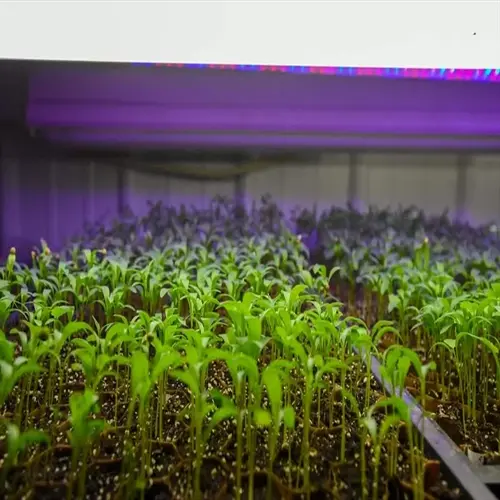
Grow lights fill the gap when your windows cannot provide enough natural sun for your plants. Position LED grow lights 6 to 12 inches above your herbs and run them for 12 to 16 hours each day. In my experience, many indoor gardeners need grow lights in winter when daylight drops below 10 hours in northern regions. A simple timer makes this easy to manage without extra work on your part.
The type of grow light you choose affects how well your herbs grow under it. LED lights run cool and use less power than older fluorescent tubes. Look for lights rated between 3000 and 6500 Kelvin to give your herbs the full range of light colors they need. I started with a basic shop light and upgraded to a purpose built grow light after seeing the difference it made.
Match your herb choices to the light you have in your home for best results over time. Start with low light herbs like mint and chives if you only have east or north windows. Save basil and rosemary for your brightest spots or plan to add grow lights from the start. Your herbs will reward you with better growth and stronger flavor when you give them the light they need each day.
Read the full article: Growing Herbs Indoors: Complete Guide