
The main indoor herbs dying causes are overwatering and lack of light. These two problems kill more houseplant herbs than all other issues combined. If your herbs look sick, start by checking your watering habits and light levels before you blame anything else.
I learned to spot these problems when my first basil plant started dying in my kitchen last year. The lower leaves turned yellow while the plant wilted even though the soil stayed wet. I pulled it from the pot and found brown, mushy roots that smelled sour. Adding drainage holes and cutting back on water saved the plant just in time.
Root rot from overwatering is why herbs die indoors more than any other cause you will face. This problem affects indoor herbs more than outdoor ones. Soggy soil blocks oxygen from reaching your roots. Without air, the roots suffocate and start to decay from the tips inward over time.
You can spot root rot before it kills your plant if you watch for the right signs. Yellow leaves at the bottom of your plant often show up first. The plant wilts even when soil feels wet to your touch. A sour or rotten smell comes from the soil when you stick your nose close. These warning signs mean you need to act fast to save your plant.
Low light causes different symptoms than water problems in your indoor herbs. Plants stretch tall and thin toward any light source they can find. Leaves grow smaller than normal and lose color and flavor over time. If your basil smells weak, light is likely the problem you need to fix first.
Temperature stress kills herbs faster than most people expect at home. Cold drafts from windows and doors shock your plants and cause sudden leaf drop. Hot air from heating vents dries out leaves and burns the edges brown. Keep your herbs in spots where temperature stays between 60°F and 75°F (15°C and 24°C) all day.
Saving dying indoor herbs requires quick action once you spot the problem signs. Pull your plant from its pot and check the roots for rot damage right away. Cut off any brown or mushy roots with clean scissors before the rot spreads further. Repot in fresh soil with added perlite for better drainage and water less going forward.
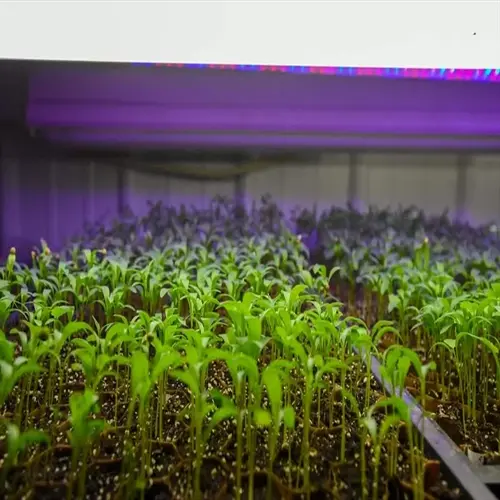
Add more light to help your recovering plant build strength back up over time. Move it closer to a bright window or add a grow light above the pot. In my experience, plants bounce back faster with 12 to 14 hours of light each day while they heal from root damage.
Prevent future problems by checking your plants every few days for early warning signs. Test soil moisture before you water and make sure your pots drain well after each watering. Give your herbs the brightest spot you can find in your home. These simple habits keep your plants healthy and save you from replacing dead herbs over and over again.
Read the full article: Growing Herbs Indoors: Complete Guide